

Child dies in NY’s first measles-associated death in over 30 years amid ongoing outbreak
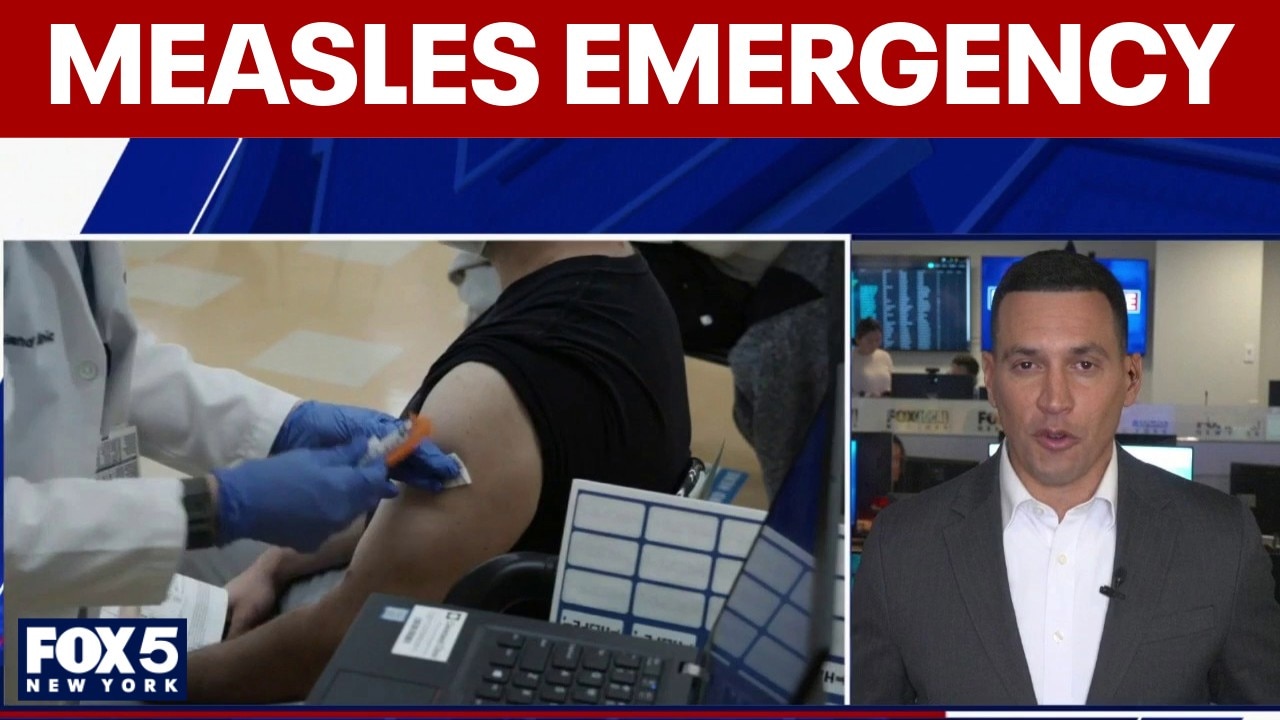
New York measles disaster emergency declared
Gov. Kathy Hochul declared a disaster emergency after New York confirmed 108 measles cases in 2026 so far, mostly in rural communities outside New York City.
NEW YORK - A child in Lewis County has died from complications related to measles, marking the first known measles-associated death in New York State in more than three decades.
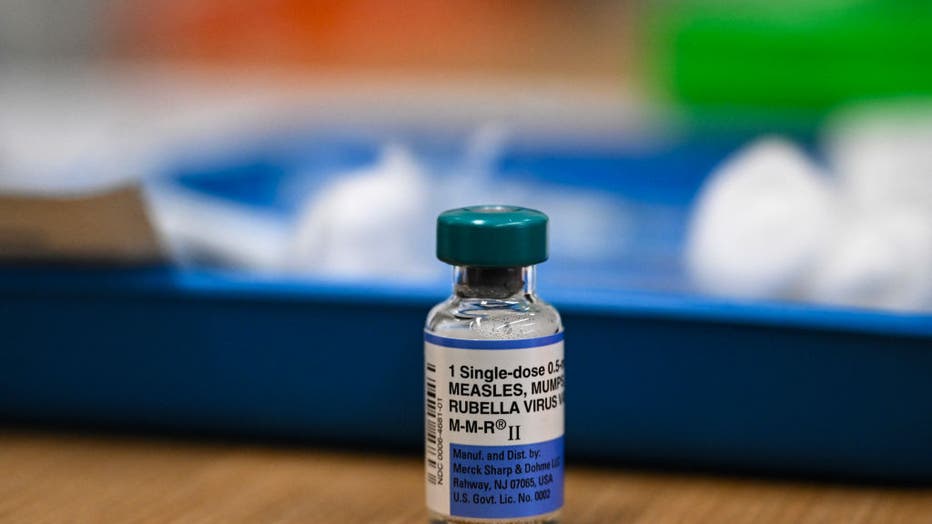
A dose of the measles vaccine is seen on a table at a health center in Lubbock, Texas, on February 27, 2025. Dozens of children are being rushed to a health center in the US state of Texas to get the measles vaccine, after the recent death in the are
What they're saying:
The New York State Department of Health and Lewis County Public Health confirmed the child's death in a joint statement on November 2, urging residents to immediately verify their vaccination status.
"We are deeply saddened by the death of a child in Lewis County associated with the ongoing measles outbreak," the department stated. "We urge New Yorkers to ensure they are up-to-date on measles, mumps and rubella (MMR) vaccinations and speak to their healthcare provider about immunizations."
Public health crisis
Dig deeper:
The child's death comes four weeks after New York Gov. Kathy Hochul declared a State Disaster Emergency to address a widening measles outbreak across New York and neighboring states.
The emergency declaration expanded the pool of healthcare workers authorized to administer vaccines and unlocked rapid access to state resources.
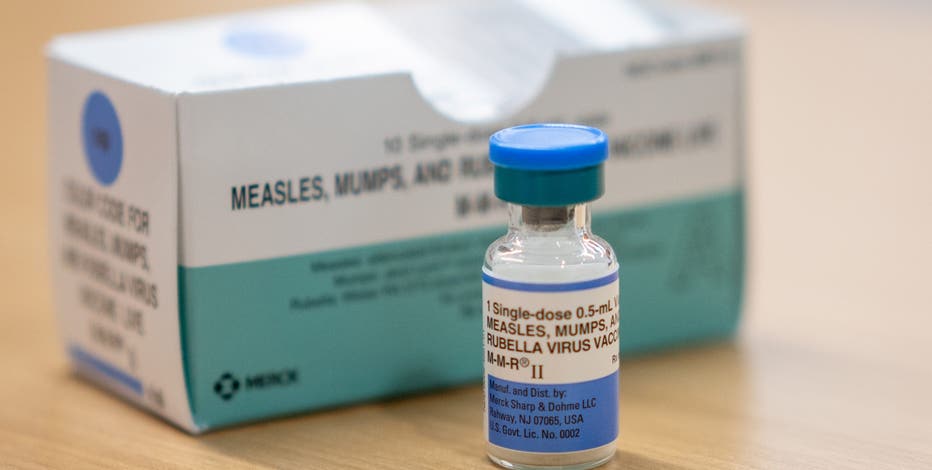
NY Gov. Hochul declares measles disaster emergency as cases rise in rural counties
Gov. Kathy Hochul has declared a measles disaster emergency in New York following 108 confirmed cases, primarily in rural areas, as neighboring PA surpasses 1,000 cases.
As of October 24, New York has recorded 178 total measles cases this year. The vast majority of these infections (170 cases) have occurred outside of New York City, with the remaining eight reported within the five boroughs.
State and local officials are currently conducting rigorous contact tracing to contain the spread.
Measles vaccine
Why you should care:
Measles is a highly contagious respiratory disease transmitted through airborne droplets from coughing or sneezing, and in some instances, by touching contaminated surfaces. Complications can be severe, including pneumonia, brain swelling, immune amnesia, and death.
Health officials stress that the measles, mumps, and rubella (MMR) vaccine is the best defense against the virus. One dose provides 93 percent protection, while the standard two-dose regimen offers 97 percent protection.
The Department of Health has issued updated guidance to protect vulnerable populations:
- Infants: Babies as young as 6 months should receive an early dose of the MMR vaccine if they reside in a community with active transmission or plan to travel to affected areas.
- Older Adults: While most people born before 1957 are considered naturally immune, those who received the vaccine between 1963 and 1967 may have been given a less effective version and should consult a doctor about revaccination.
- Travelers: Anyone traveling domestically or internationally should ensure they are fully vaccinated at least two weeks before departure.
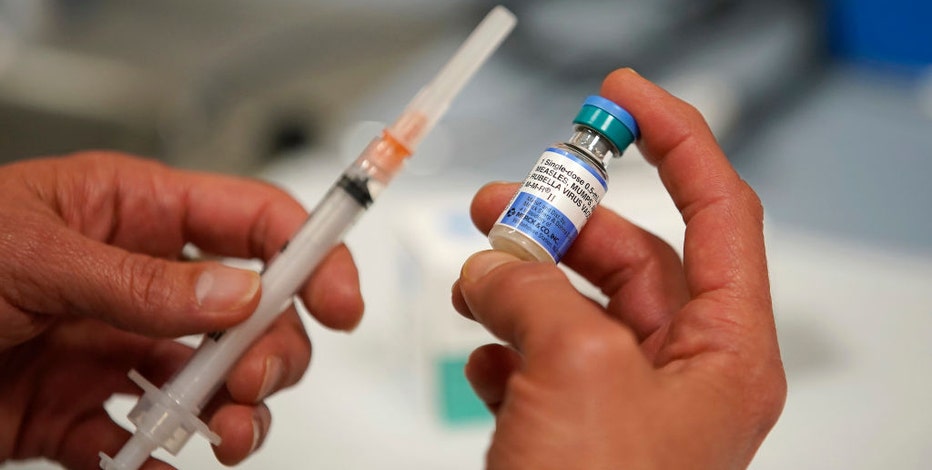
US measles cases surpass 4,500, more than double last year's total
The United States is grappling with a surge in measles cases in 2026, with cases substantially higher in certain areas compared to others.
Symptoms
What you can do:
Individuals exposed to measles who are not immune are advised to quarantine for 21 days. Symptoms typically appear 7 to 14 days after infection and include:
- High fever
- Cough
- Runny nose
- Red, watery eyes
A distinct rash usually emerges 3 to 5 days after initial symptoms, beginning as flat red spots at the hairline before spreading downward to the neck, trunk, and extremities. Fevers can spike to over 104 degrees once the rash appears.
Anyone experiencing symptoms is instructed to call ahead before visiting a clinic, urgent care, or emergency room so medical staff can implement necessary infection-control protocols. Residents unsure of their vaccination status should contact their primary care provider or local health department immediately.
The Source: Information from this article was sourced from the NY Department of Health.