

Report warns of years of construction challenges at O'Hare
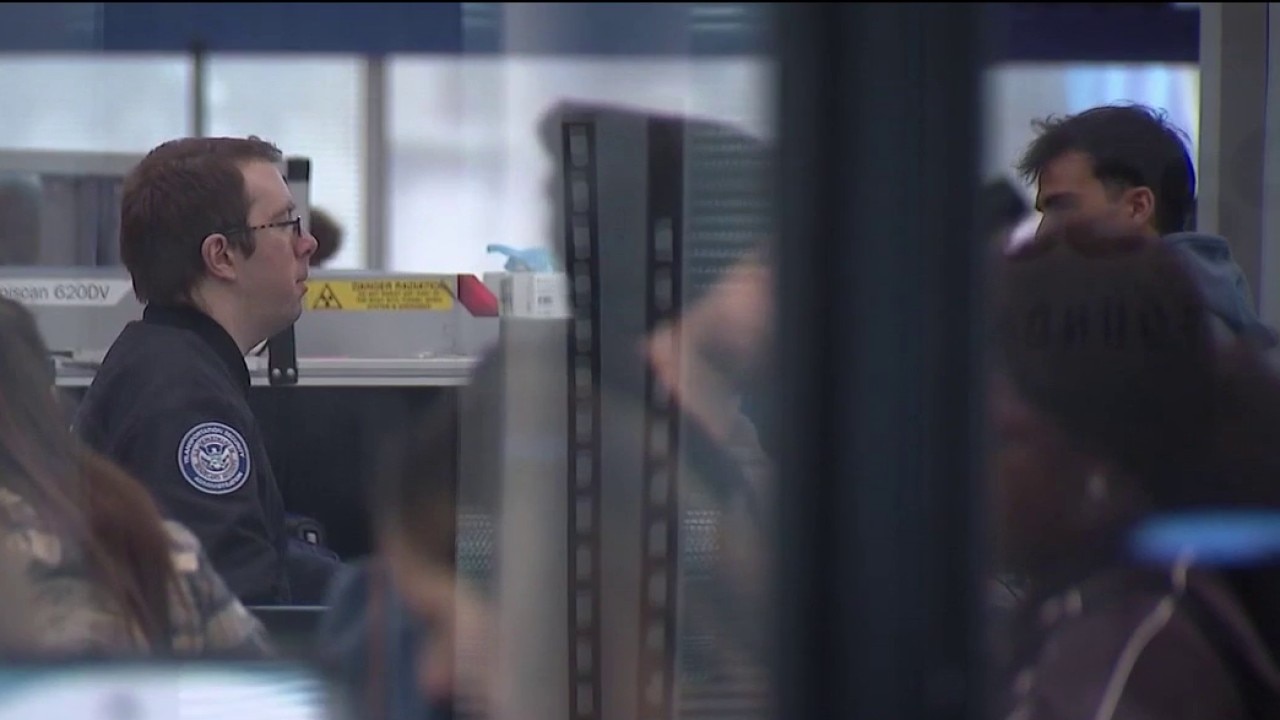
Report warns of years of construction challenges at O'Hare
A new report raises questions about what travelers can expect as major construction continues at O’Hare.
CHICAGO - Travelers at O’Hare International could face a difficult stretch as the airport works to catch up on major terminal upgrades.
O'Hare airport construction outlook
The details:
A new policy brief from DePaul University’s Chaddick Institute says O’Hare’s terminal improvements have fallen behind those at other major U.S. airports. The report says O’Hare is the only one of the country’s 25 busiest airports that has not built a new large terminal or concourse—or completely redesigned one—within the past 25 years.
Much of Terminals 2 and 3 dates to 1962, according to the brief. Researchers say O’Hare is tied for last in customer satisfaction among U.S. mega hubs, while satisfaction scores at many other major airports have improved.
The report says O’Hare’s average taxi times have also risen more sharply than at other top airports. It warns that construction could add to concourse crowding and long taxi times over the next seven years.
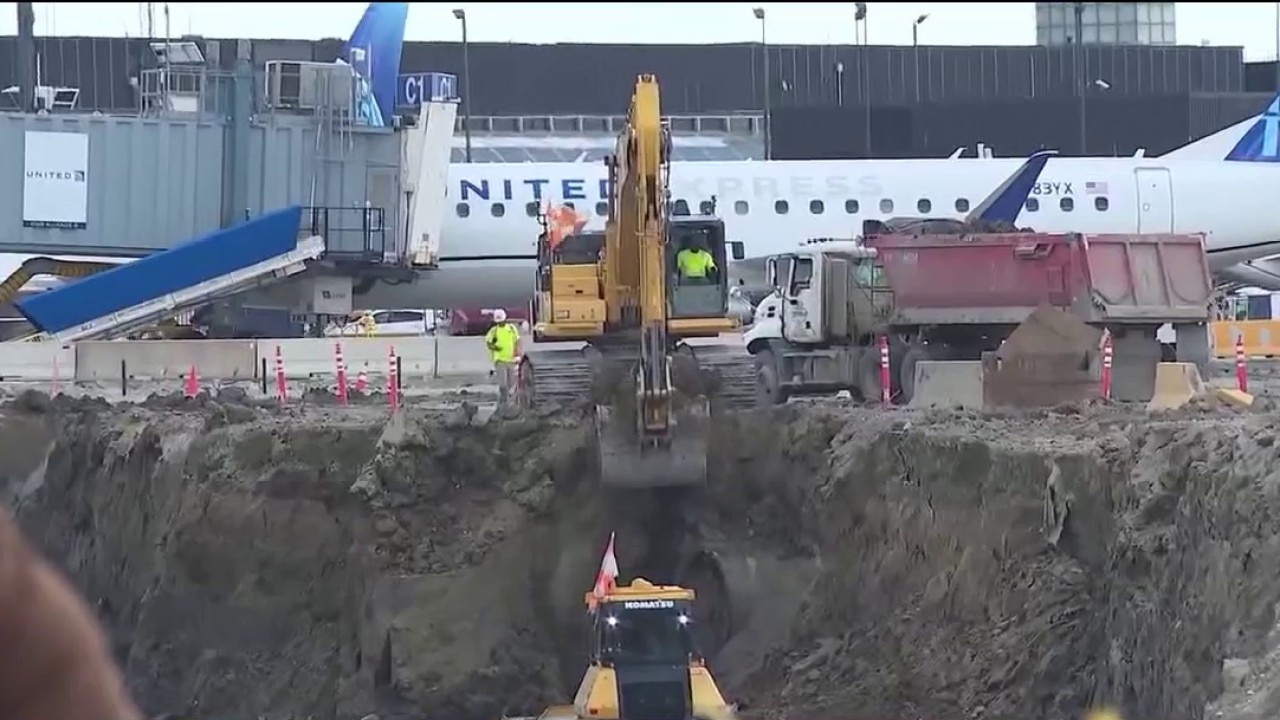
Why O’Hare’s terminal upgrades are falling behind
Chaddick Institute Director Joseph P. Schwieterman discusses the challenges facing O’Hare and strategies to ease airport traffic and delays.
What's next:
O’Hare’s expansion plans include two satellite concourses and a new global terminal. The report describes the projects as important steps toward closing the gap with other major airports, but says construction will make the next several years challenging.
Timeline:
The projects are scheduled to open in phases:
- 2028: Satellite Concourse 1 is expected to open with 19 gates.
- 2030: The first phase of Satellite Concourse 2 is expected to open with 14 gates.
- 2033: The O’Hare Global Terminal is set to open.
- 2034: The final 10 gates of Satellite Concourse 2 are expected to be completed.
Dig deeper:
The DePaul brief recommends considering ways to limit construction disruptions, including building parts of terminals off-site. It also suggests using specialized shuttle vehicles to take passengers directly to planes parked away from the terminal, without requiring them to climb stairs. The report says these strategies could help reduce delays and cost overruns.
What they're saying:
The Chicago Department of Aviation released a statement in response to the report.
"CDA appreciates the study's recognition of the City's progress in accelerating ORDNext. The specific recommendations outlined would require detailed operational and engineering evaluation in consultation with our airline, federal and construction partners.
"ORDNext builds on the O'Hare Modernization Program, a 16-year effort completed in 2021 that transformed the airfield into a modern system of eight runways, the most of any commercial airport in the world.
"CDA is sequencing construction to limit operational impacts and working with the FAA and our airline partners to address taxi times throughout the project. New concourse capacity will allow airline activity to shift as older facilities are replaced. Minimizing construction impacts on the passenger experience remains central to how CDA plans and delivers ORDNext."
The Source: This story is based on a report by DePaul University’s Chaddick Institute, "Sky-High Expectations: Chicago Treads a Tightrope as It Works to Improve O’Hare Terminals, While Other Airports Make Big Gains."