

‘Poop pills’ may point to new peanut allergy treatment, study finds
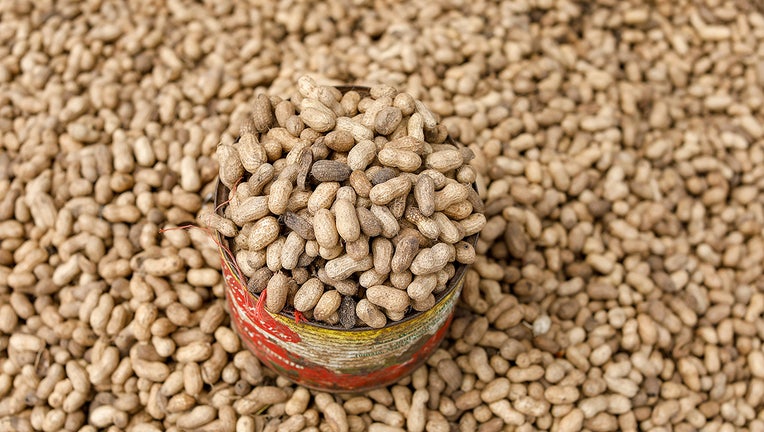
Peanuts for sale in Fatick, Senegal. (Photo by: Godong/Universal Images Group via Getty Images)
Researchers at Boston Children’s Hospital hope new research involving fecal transplants will help them find a permanent treatment for potentially deadly food allergies.
Big picture view:
A study reported some of the people who are allergic to peanuts and received fecal treatments from a donor without the allergy were still showing a high tolerance to the legume months later. The results were based on a small clinical trial and were published recently in Science Translational Medicine.
What they're saying:
"This landmark study was the first to demonstrate that a microbiome-based therapy may improve food allergy in people while also revealing how gut bacteria, their metabolites, and the immune system work together to influence treatment response," said Rima Rachid, MD, the director of the Food Allergy Program and the Allergen Immunotherapy Program. Rachid and Director of Translational Immunology Talal Chatila were part of the team conducting the research.
Why you should care:
An estimated 33 million Americans live with severe food allergies. In its statement, the hospital notes that of the common varieties of food allergies, the ones triggered by peanuts and tree nuts can cause the most severe and life-threatening reactions. Medication and immunotherapy can help, but the reactions can quickly return if the treatment is stopped, the statement noted. The reactions can even occur during treatments, or sometimes in response to them.
RELATED: Trump's plan to lower beef prices faces pushback from ranchers and some Republicans
"People with food allergies want freedom from constant anxiety and extreme vigilance and to not have to be on guard for potentially dangerous exposures every time they leave the house," Rachid added. "Patients don’t want therapies that have to be taken indefinitely and instead are looking for a permanent disease modification or cure."
The backstory:
Following studies that involved taking stool samples from babies and giving them to allergy-prone mice, the team began this study by transferring good bacteria from donors with healthy gut biomes to 10 people with severe peanut allergies via what were described as "poop pills" that provided fecal transplants, the hospital explained. After taking 36 of the pills over the course of a few hours, three of the ten did show a higher tolerance to peanuts months later.
Researchers moved on to giving antibiotics before the fecal transplants, explaining that would mean the subject’s gut microbes would not be competing with the bacteria from the donor. That method, which was tested on five individuals, had a higher success rate. The transplants gave researchers another clue in their search for a treatment: bile salts. They found that the good bacteria were better at metabolizing the bile salts and further research showed that would increase the levels of immune regulatory cells.
RELATED: Green-enriched light provides new hope for migraine sufferers and everyday benefits
"Knowing how the bacteria restore tolerance to food in allergic individuals allows us to optimize the therapy for more effective outcomes," Chatila pointed out.
What's next:
Rachid is now working with University of Minnesota’s Alexander Khoruts, MD, on a study that gives teens microbe transplantation therapy. In this study, participants will take capsules that contain a purified concentrated form of microbes and can be stored in a refrigerator before testing for changes in their tolerances to peanuts.
Rachid is also leading a study that is evaluating the effect of utilizing the concentrated formula in conjunction with peanut oral immunotherapy.
The Source: Information for this article was taken from Boston Children’s Hospital. This story was reported from Orlando.