

Teens spend nearly an hour on phones in late-night hours before school, study finds
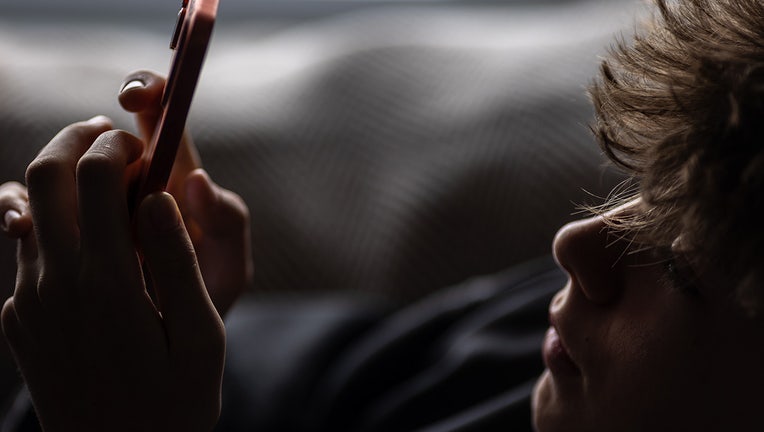
In this photo illustration a 14-year-old boy looks at an iPhone screen displaying various social media and messaging apps on March 29, 2026 in Bath, England. (Photo by Anna Barclay/Getty Images)
Teenage children spend a decent-sized chunk of the overnight hours before school using their phones to check social media, stream videos, play games, and more, a new study finds.
By the numbers:
The research determined that kids between 13 and 18 years old spent an average of 50.1 minutes on their phones between the hours of 10 p.m. and 6 a.m. on school nights.
Not all kids are alike
While determining the average time, researchers noted large variabilities, with nearly a quarter of them spending over 71.8 minutes using their phones during that time. The standard deviation, which indicates how spread out the recorded times were, also hinted that a large portion of the sample set hardly used their phones at all.
Why you should care:
Researchers explained they began this study, which ran over two school years, to help learn how much adolescents use their phones on school nights. They noted that there is little objective data about phone use on school nights.
They also pointed out how the American Academy of Pediatrics recommends against using devices before, during, or after going to bed because it can disrupt sleep and how other studies showed that getting more sleep, even just a little more, is associated with greater cognitive abilities and better mental health.
Which apps they used
The teens sampled, on the whole, spent the most time on social media apps, like TikTok, Instagram, or YouTube. Those apps took up more than 30 of the typical 50 minutes the kids were on their phones. A distant second were entertainment apps such as Netflix or Disney Plus, with games like Roblox or Clash Royale slotting after that.
The other side:
The study’s authors acknowledge some of the limitations of their research, including the fact the teens included in the study were all using Android devices. Researchers also pointed out that it does not include a direct assessment of how the phone use actually affected the teens’ sleep, but noted the 8-hour range targeted was the most likely period when phone use would interrupt or keep people from sleeping.
Dig deeper:
Researchers used a 10 p.m. to 6 a.m. window for their study, explaining that bedtime would allow for the recommended eight to ten hours of sleep per night. Their information was collected by an app that logs foreground use in small snippets of time. The study ran on school nights, i.e., Sunday through Thursday, excluding federal holidays, from September 2022 to May 2024.
The Source: Information for this article was taken from JAMA Pediatrics. This story was reported from Orlando.