

Federal Reserve lowers key interest rate but indicates future cuts will be harder
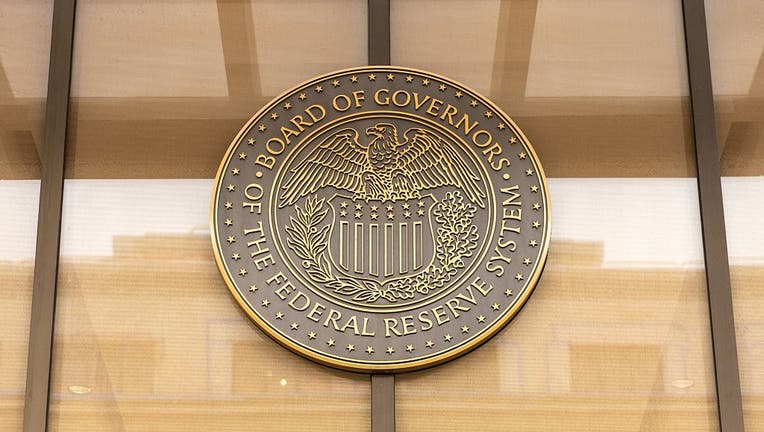
(Photo by Hu Yousong/Xinhua via Getty Images)
WASHINGTON - The Federal Reserve lowered its key interest rate for the third consecutive meeting on Wednesday but indicated it may pause further cuts in the coming months—a stance likely to draw criticism from President Donald Trump, who has pushed for far steeper reductions.
What they're saying:
In a statement released after a two-day meeting, the Fed’s rate-setting committee signaled that it may keep its rate unchanged in the coming months. And in a set of quarterly economic projections, Fed officials signaled they expect to lower rates just once next year.
RELATED: MacKenzie Scott gave away $7.1 billion this year: Are others living up to their pledge?

Fed cuts rates for third-straight time
Federal Reserve Chair Jerome Powell delivers remarks after cutting interest rates for the third-straight time this year.
Why you should care:
Wednesday's cut reduced the rate to about 3.6%, the lowest it has been in nearly three years. Lower rates from the Fed can bring down borrowing costs for mortgages, auto loans, and credit cards over time, though market forces can also affect those rates.
RELATED: Stimulus payment December 2025, IRS direct deposit relief payment & tariff dividend fact check
Why you should care:
Three Fed officials dissented from the move, the most dissents in six years and a sign of deep divisions on a committee that traditionally works by consensus. Two officials voted to keep the Fed's rate unchanged, while Stephen Miran, whom Trump appointed in September, voted for a half point cut.
RELATED: Dept. of Education reaches deal to end SAVE plan: What this means for student loan borrowers
December’s meeting could usher in a more contentious period for the Fed. Officials are split between those who support reducing rates to bolster hiring and those who’d prefer to keep rates unchanged because inflation remains above the central bank’s 2% target. Unless inflation shows clear signs of coming fully under control, or unemployment worsens, those divisions will likely remain.
And Trump could name a new Fed chair as soon as later this month to replace Powell when his term ends in May. Trump’s new chair is likely to push for sharper rate cuts than many officials may support.
Dig deeper:
A stark sign of the Fed’s divisions was the wide range of cuts that the 19 members of the Fed’s rate-setting committee penciled in for 2026. Seven projected no cuts next year. while eight forecast that the central bank would implement two or more reductions. Four supported just one. Only 12 out of 19 members vote on rate decisions.
The Fed met against the backdrop of elevated inflation that has frustrated many Americans, with prices higher for groceries, rents, and utilities. Powell has previously acknowledged those frustrations and said they reflect the sharp overall price increases in the five years since COVID. Consumer prices have jumped 25% in that time.
The backstory:
In a delayed report last week, the government said the Fed’s preferred inflation gauge remained high in September, with both overall and core prices rising 2.8% from a year earlier. That is far below the spikes in inflation three years ago but still painful for many households after the big run-up since 2020.
Big picture view:
The Fed typically keeps its key rate elevated to combat inflation, while it often reduces borrowing costs when unemployment worsens to spur more spending and hiring.
Adding to the Fed's challenges, job gains have slowed sharply this year and the unemployment rate has risen for three straight months to 4.4%. While that is still a low rate historically, it is the highest in four years. Layoffs are also muted, so far, as part of what many economists call a "low hire, low fire" job market.
The lack of economic data since the government shutdown ended Nov. 13 has contributed to the divisions at the Fed. But when Fed officials next meets in late January, they’ll have up to three months of backlogged reports to consider. If those figures show that the job market has worsened, the Fed could reduce rates again in January.
By contrast, if hiring has stabilized while inflation remains elevated, they may hold off on additional cuts for several months.
The Source: The Associated Press contributed to this report. The information in this story is drawn from the Federal Reserve’s official policy statement and Chair Jerome Powell’s remarks delivered after the central bank’s meeting. This story was reported from Los Angeles.