

Chicago mayoral race: Why some of the 15 candidates could be knocked off the ballot
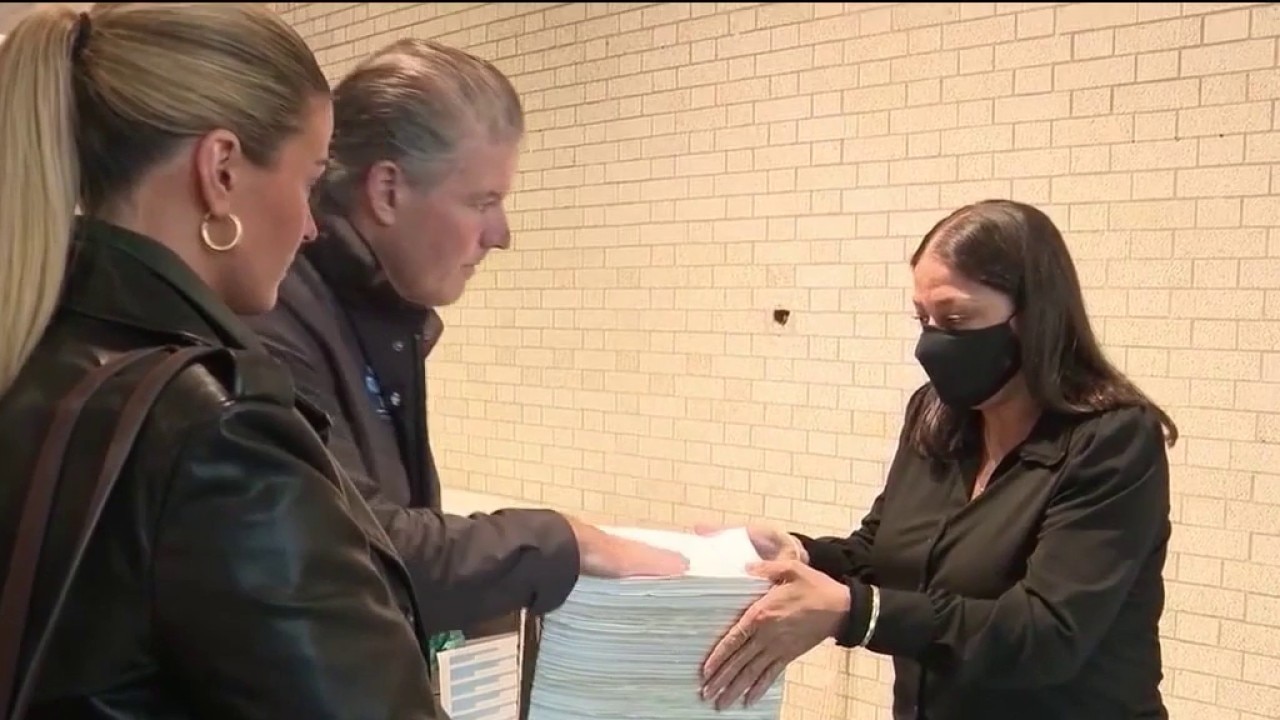
15 candidates file to challenge Brandon Johnson, but Chicago mayoral field could shrink
Fifteen candidates have filed to challenge Mayor Brandon Johnson, but that crowded field may not last. Starting Tuesday, candidates can challenge their rivals’ petition signatures in an effort to knock them off the ballot.
CHICAGO - Fifteen candidates are challenging Brandon Johnson for his job as Chicago mayor, but the field may not stay that crowded.
Race for Chicago mayor heats up
The backstory:
The city's petition objection period began Tuesday, opening the door to what can become a costly and politically strategic fight over who ultimately makes the ballot.
Chicago mayoral candidates are required to collect at least 12,500 valid signatures to qualify for the ballot.
Most of the major candidates say they submitted far more than the minimum, with Alexi Giannoulias submitting about 60,000 signatures. But opponents can now challenge those signatures one by one.
Signatures can be challenged for several reasons, including if the signer is not a registered Chicago voter, signed more than once or used an address that does not match voter records. Challenges can also target errors in the petition paperwork itself.
Election officials review disputed signatures and determine whether a candidate still has enough valid signatures to remain on the ballot.
The challenge process is intended to ensure candidates followed election rules and demonstrated sufficient voter support, but veteran election attorney Michael Dorf said there can also be a strategic element.
Dorf, who has represented former Chicago Mayor Lori Lightfoot and now represents Giannoulias, said challenges can take a toll on campaigns even when they are unsuccessful.
"The challenges don't always work, but challenges always drain resources," said Dorf. "They drain labor, they get into the candidate’s head, and the challenger is able to say to donors, ‘well, don't give money to this person because they may not be on the ballot in two weeks.’ That's always a piece of it."
Candidates facing objections must defend their petitions before the Chicago Electoral Board and, in some cases, in court.
"I've seen very few challenges that are frivolous," said Dorf. "I mean, they all have to say, and they have to prove, at least on the face of it, that they've gotten that person under the number of signatures. But that other part of the strategy you're talking about is always a piece of any challenge."
What's next:
Petition challenges are due Monday, Nov. 2. The final ballot is scheduled to be certified Dec. 17.
The Source: The information in this report came from the Chicago Board of Elections, mayoral candidates and election attorney Michael Dorf.