

U.S. Postal Inspection Service helping consumers fight AI-related and online scams
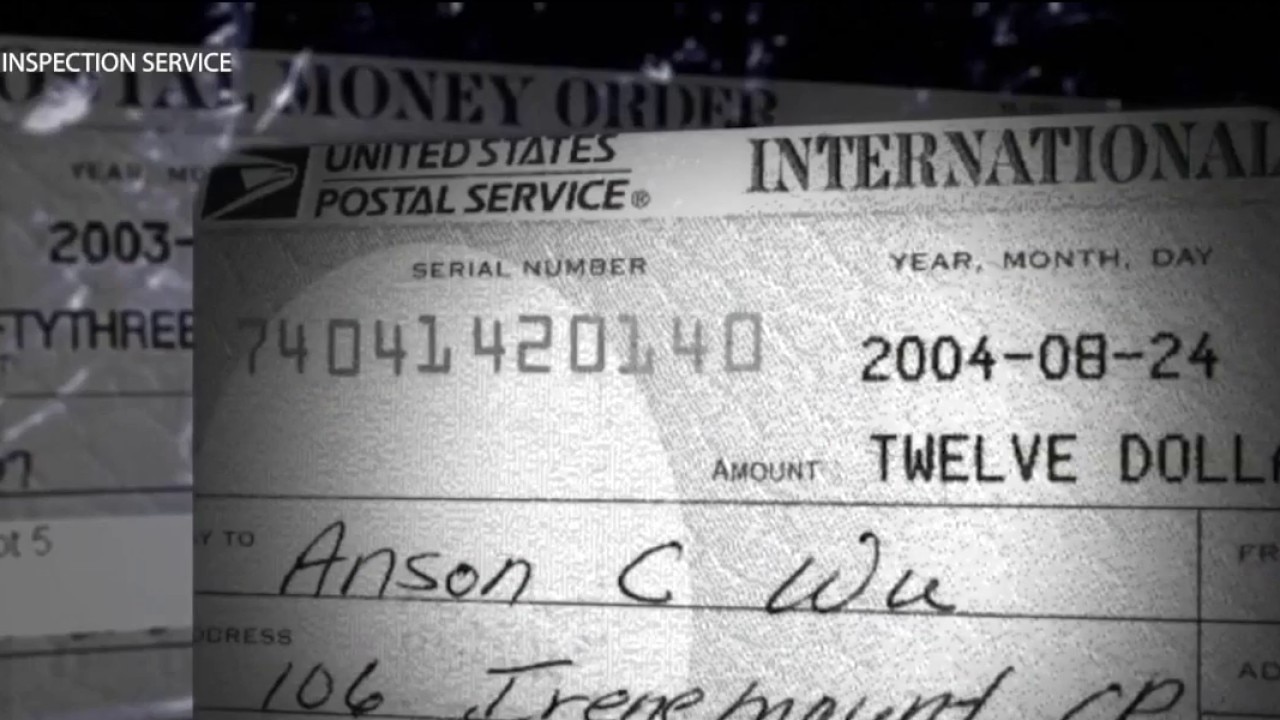
US mail also a target for AI scammers, officials warn
Artificial intelligence is giving fraudsters an edge in trying to drain victims' wallets, even via U.S. mail.
CHICAGO - More scammers are turning to artificial intelligence to create fake emails, texts, and phone calls that appear legitimate. While the schemes are familiar, advancing technology is making fraud harder to detect.
Ahead of National Consumer Protection Week, March 1–7, the U.S. Postal Inspection Service (USPIS) is urging consumers to look out for red flags — and reminding them not to feel ashamed if they fall victim to an internet scam.
What we know:
AI is making fraud look more real than ever.
The FBI typically leads cybercrime investigations, but USPIS also plays a critical role. When scams involve the mail system, postal inspectors have the authority to investigate.
Some scams begin with a text, email, or social media message, but the fraudster may eventually pressure their target to send money through the mail.
"You're getting attacked from all different directions when it comes to scammers trying to reach you," said Inspector Eric Shen of the U.S. Postal Inspection Service Criminal Investigations Group.
According to USPIS, one in five Americans has lost money to an online scam, costing $12 billion last year alone.
National Consumer Protection Week begins Sunday, March 1, and Shen is encouraging consumers to educate themselves on recognizing and avoiding fraudulent schemes.
"Part of the fraud scheme — whether you get it via text, email, other than mail — mail is still a part of it, meaning the scammers will still utilize the mail whether to continue that communication with you, send you things, and then also the big thing is they want you to send them money," Shen explained.
USPIS doesn't only get involved when fraudsters impersonate the postal service, but that is one of the scams they investigate. Shen warns consumers to beware of suspicious texts and emails claiming that a package is delayed. Sometimes, the fraudster will even provide a fake tracking number.
"The Post Office will never text you to tell you your package is running late, and you have to pay extra money for it," Shen reiterated. "And if you do get one of those texts and you are expecting a package, reach out to the Post Office, go there in person, call, or go to usps.com. Do not click on that text."
If you are targeted by an AI-related or internet scam, authorities urge you to report it — whether or not you fall victim to it.
"Do not feel ashamed, report it. Go to uspis.gov/report, report the incident, save any kind of communication you have with the scammer, save any kind of bank documents, contact your bank to try and stop those payments if it hasn't gone through," Shen said. "The sooner you're able to get ahold of the postal inspectors, the sooner we're able to help as far as investigations and potentially even getting some of that money back."
What's next:
In addition to reporting mail fraud, consumers can report scam texts and emails to USPIS.
Consumers can also report AI-related scams to the FBI’s Internet Crime Complaint Center (IC3).
To report identity theft, visit the Federal Trade Commission’s reporting portal.
You can also enroll in the United States Postal Service's Informed Delivery program. Each day, you’ll receive an email previewing the mail and packages coming your way, so you always know what to expect.
The Source: The information in this article was reported by FOX Chicago's Kasey Chronis.