

What is corn sweat? Why Illinois cornfields make summer feel more humid
Illinois corn sweat explained: A hidden source of humidity
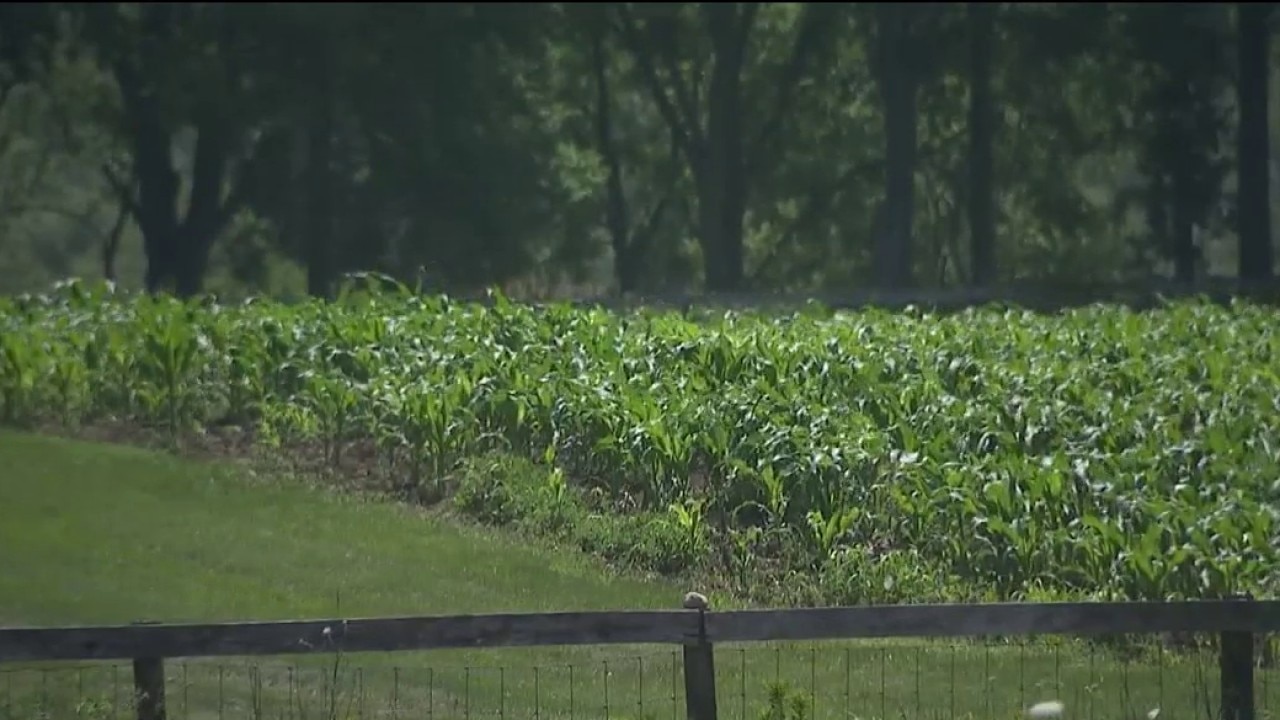
There's an unexpected factor that can make July and August feel even hotter and more humid: corn. FOX Chicago's Kasey Chronis explains the science behind the "corn sweat" phenomenon.
ILLINOIS - This week's extreme heat has brought plenty of humidity, but some of that moisture comes from an unlikely source.
The agricultural process known as "corn sweat" typically peaks between mid-July and late August. And, because Illinois sits in the heart of the Corn Belt, we're only at the beginning of the season.
The backstory:
There's more to the muggy weather than meets the eye.
This time of year, in the Midwest, our main driver of humidity is moisture that is pulled in from the Gulf. Outside the city, however, cornfields are a contributing factor too.
With roughly 11 million acres of corn planted in Illinois each year, that adds up to enormous amounts of water released into the atmosphere every day during peak growing season through a process called evapotranspiration. A single acre of corn can release between 3,000 and 5,000 gallons of water into the air each day.
"That contribution to humidity from transpiration or from those plants is really important for making the humidity worse," said Trent Ford, the State of Illinois' climatologist.
It's a process most plants undergo, but some, including corn and soybeans, are more effective at it, according to Ford, who is based at the Prairie Research Institute at the University of Illinois.
"Plants like corn, like soybeans, but also like oak trees, pretty much anything with leaves, take up water from the ground through their roots, use it in a similar way that we use it, and then they have little holes in their leaves called stomata. When those stomata open to let in light and carbon, they let out a little bit of water," Ford explained. "When you multiply that by all the leaves on a tree and all the trees around the state or all the corn plants around the area, it adds up to a lot of water leaving from liquid phase on the ground to gas in the atmosphere."
The process can increase dew points, making the air feel more humid.
Plus, our region has experienced significant rainfall ahead of this stretch of heat leading to wet soil.
"Now that rain itself in the soil can evaporate and add to the humidity, but that also means that there's plentiful amounts of moisture for the corn to pull from, which doesn't happen necessarily in drought years," Ford said.
Ford says anyone who has ever detasseled corn knows there's a noticeable difference in how the air feels standing in a cornfield compared with standing outside one.
What's next:
Corn sweat will continue to contribute to humidity in our region throughout the summer — with its intensity varying based on when the crops were planted.
The National Weather Service has issued an Extreme Heat Warning through midnight Thursday for parts of central, east central, north central and northeast Illinois, as well as northwest Indiana. Dangerously hot conditions are expected, with afternoon heat index values ranging from 100 to 105 degrees.
The Source: The information in this article was reported by FOX Chicago's Kasey Chronis.