

Behind the cameras: The people who helped document Rev. Jesse Jackson’s movement
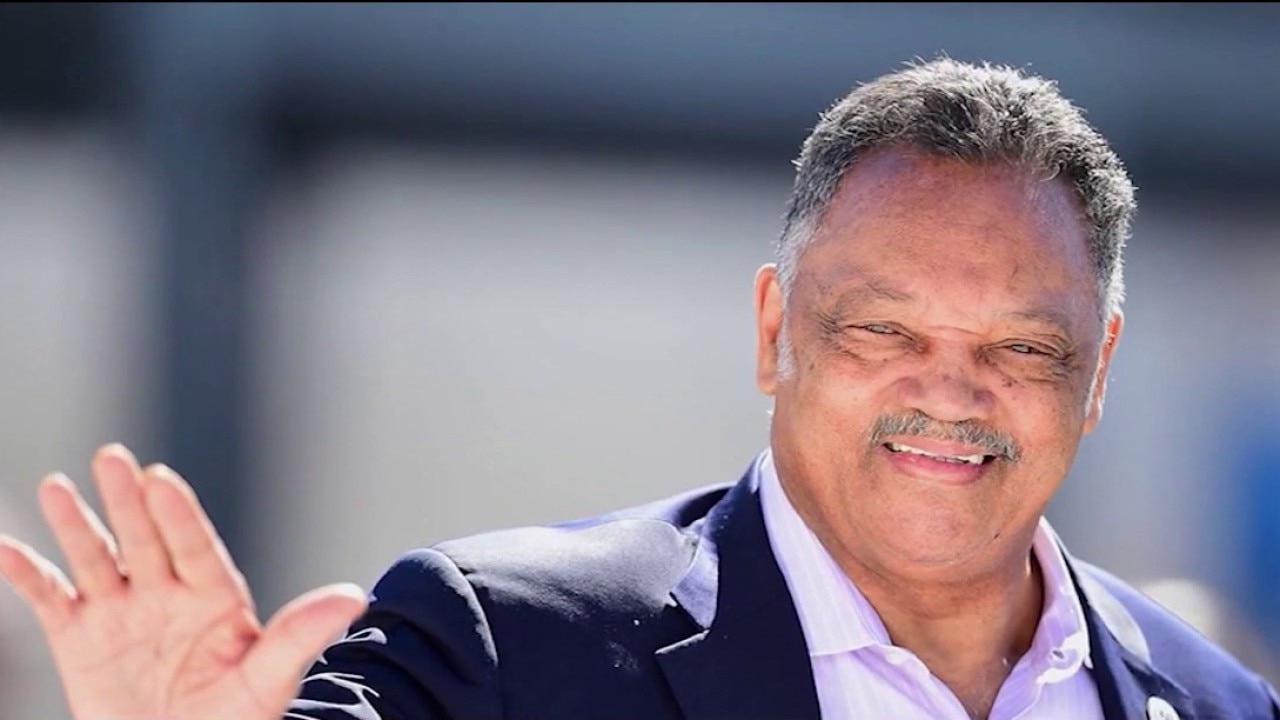
Behind the cameras of Rev. Jesse Jackson's movement
At Operation Push on Chicago’s South Side, the work of civil rights leader Jesse Louis Jackson Sr. reached millions through televised broadcasts, rallies, and marches. Tonight we are hearing from Jackson's childhood friend and some of the people that helped him document the movement.
CHICAGO - At Operation PUSH on Chicago’s South Side, the work of civil rights leader Jesse Louis Jackson Sr. reached millions of viewers through television broadcasts, rallies, and marches. But behind the cameras were staff members whose job was to document the movement as it unfolded.
What we know:
For nearly two decades, photographer Calvin Steen helped capture Jackson’s speeches, television programs, and community events. Steen said the experience gave him a front-row seat to moments that shaped modern civil rights history.
"He was really a down-to-earth person," Steen said.
Steen traveled extensively while working with Jackson, documenting major events and humanitarian efforts. He recalled how Jackson’s presence often drew large crowds wherever he went.
"I got to meet a whole bunch of people that I would have never gotten close to if it had not been for him," Steen said. "I traveled with him to New York. We went to New Orleans when it flooded. That was an experience. It was amazing the way he could draw a crowd — people would just gravitate to him."
Melanie L. Brown, who worked as a floor director at Operation PUSH for 14 years, said documenting Jackson’s work was both humbling and meaningful.
"It’s just been humbling and I’m grateful," Brown said. "Seeing all the people that came through there and everybody that Rev showed love to and helped. I’ve been to marches with him. Just documenting all that history is amazing."
Jackson’s path to national prominence began decades earlier. While attending North Carolina A&T State University, he became involved in civil rights activism and later worked closely with Dr. Martin Luther King Jr., including participating in demonstrations tied to the Selma Voting Rights Marches.
Jackson's past:
Friends from Jackson’s hometown of Greenville, South Carolina, say even as a teenager he showed the charisma and confidence of a future leader.
Janice Mathis, who knew Jackson during his youth, said he was known for his charm and sense of humor.
"He was funny and charming," Mathis said. "He had friends from every part of town and kids looked up to him. Teachers adored him because he was a role model, but he could be mischievous too."
Mathis recalled that Jackson once hoped to play quarterback at a college in Illinois, but segregation-era barriers limited opportunities for Black athletes at the time. After struggling with that setback, he eventually returned to North Carolina to attend North Carolina A&T.
"He felt he had the talent but wasn’t able to make the team," Mathis said. "My dad told him, ‘You don’t have to stay there. Come back to North Carolina A&T — they’ll love you, you’ll play.’"
Political leaders:
Jackson would go on to become one of the nation’s most prominent civil rights leaders, running two historic presidential campaigns and advocating for racial equality and economic justice for decades.
Political analyst Stephen Caliendo says Jackson’s campaigns helped reshape American politics and expand opportunities for Black candidates.
"Barack Obama does not win the Iowa primary in 2008 if those things in the 1980s didn’t happen," Caliendo said. "Jesse Jackson absolutely paved the way."
Caliendo compares Jackson’s role in the movement to picking up where King left off after his assassination.
"The baton dropped when Dr. King was shot," Caliendo said. "Jesse Jackson picked it up and kept running with it, eventually taking the fight for civil rights to the national political stage."
The Source: This story contains reporting from Fox Chicago's Tia Ewing.