

Chicago dad welcomes son after rare testicular cancer
Chicago father welcomes son after rare testicular cancer
A cancer diagnosis at 38 left Kevin Hull with tough choices, including whether he could have more children. Here’s how science helped his family grow.
CHICAGO - For many cancer patients, beating the disease is the only thing that matters.
But for younger men diagnosed during their reproductive years, another question quickly follows: Will I still be able to have children?
The backstory:
Kevin Hull was 38 when he noticed something wasn’t right.
"It was a Friday afternoon. I was in the shower after working out, and something didn’t feel right," Hull said. "My left was bigger than my right. And I said, this is a problem."
Tests at Northwestern Memorial Hospital confirmed testicular cancer — a diagnosis that would require both testicles to be removed.
For Hull and his wife, Kirsten, survival wasn’t the only concern. The couple already had a young daughter and hoped to grow their family.
"So here I am at 38 years old, I’ve got a young daughter, we would love to have more kids," Hull said. "And I have to meet with the fertility folks and start to think, how are we going to figure this out?"
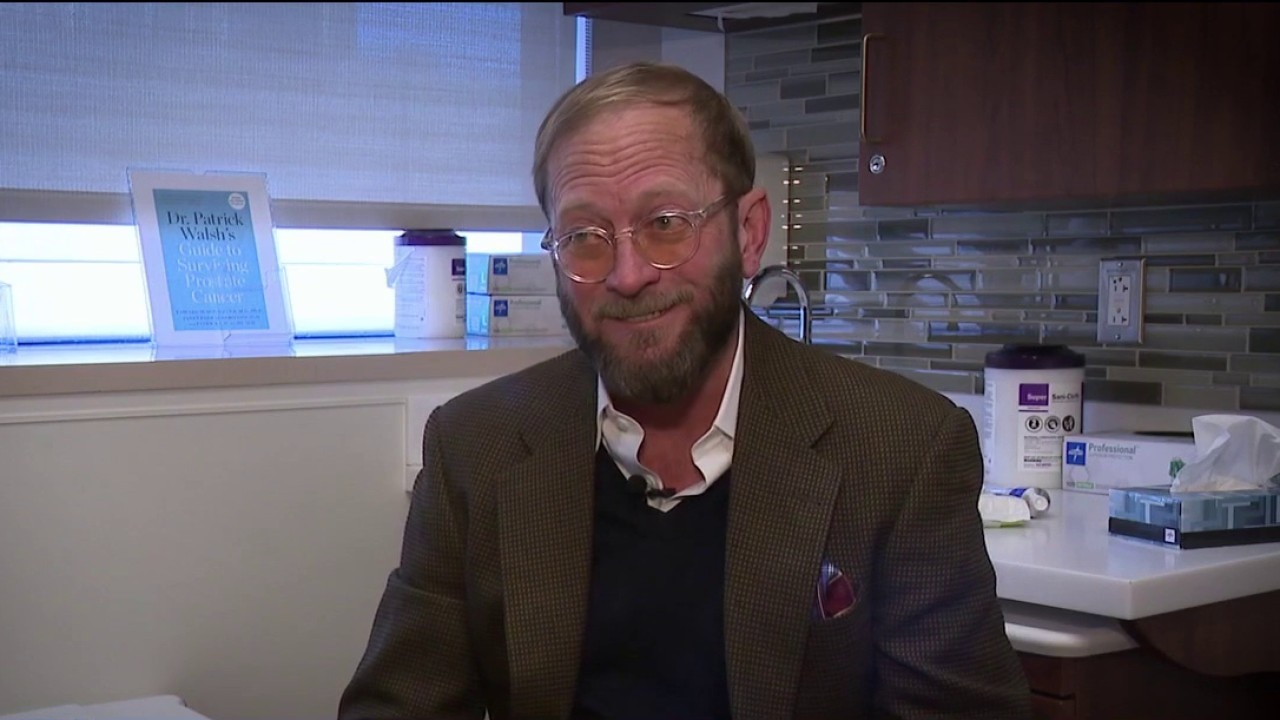
Before surgery and chemotherapy began, Hull met with fertility specialists at Northwestern Medicine, including Dr. Robert Brannigan, a urologist specializing in male reproductive health.
"Oncofertility refers to the notion that during the diagnosis and treatment of cancer, the therapies we use will often diminish fertility — sometimes permanently," Brannigan said.
Hull began banking sperm before treatment. Only a few samples were viable. The couple moved forward with in vitro fertilization while preparing for chemotherapy — unsure whether it would work.
"Trust. Belief. Faith in everything," Hull said. "Trusting the system that I’m bringing my life to, and trusting my voice back out to my family and friends that I’m going to make it."
Just as chemotherapy began, the IVF was successful.
Hull endured three rounds of chemo and five surgeries. In 2012, he was declared cancer-free. That same year, his son Oscar was born.
"With the grace of science and blessings from every direction, we are looking at our young thing turn into a fine young man," Hull said. "And it’s just the best."
Big picture view:
Doctors say Hull’s story highlights a shift in cancer care — one that focuses not only on survival, but on life after cancer.
"Now we know it’s not good enough to just focus on the cancer," Brannigan said. "Fertility preservation is part of comprehensive cancer care."
More than 75% of men diagnosed with cancer during their reproductive years survive at least five years, according to Northwestern Medicine physicians. Many want the option to start or expand their families.
Experts encourage men facing cancer treatment to ask early about how chemotherapy or surgery could impact fertility, and what preservation options are available. Doctors also recommend regular testicular self-exams and reporting changes promptly.
For Hull, acting quickly made all the difference. Cancer threatened his future family. Science helped preserve it.
The Source: The information in this story was obtained and reported by FOX Chicago's Brian Jackson.