

Civil trial begins over 2018 wrongful raid on Chicago family’s home
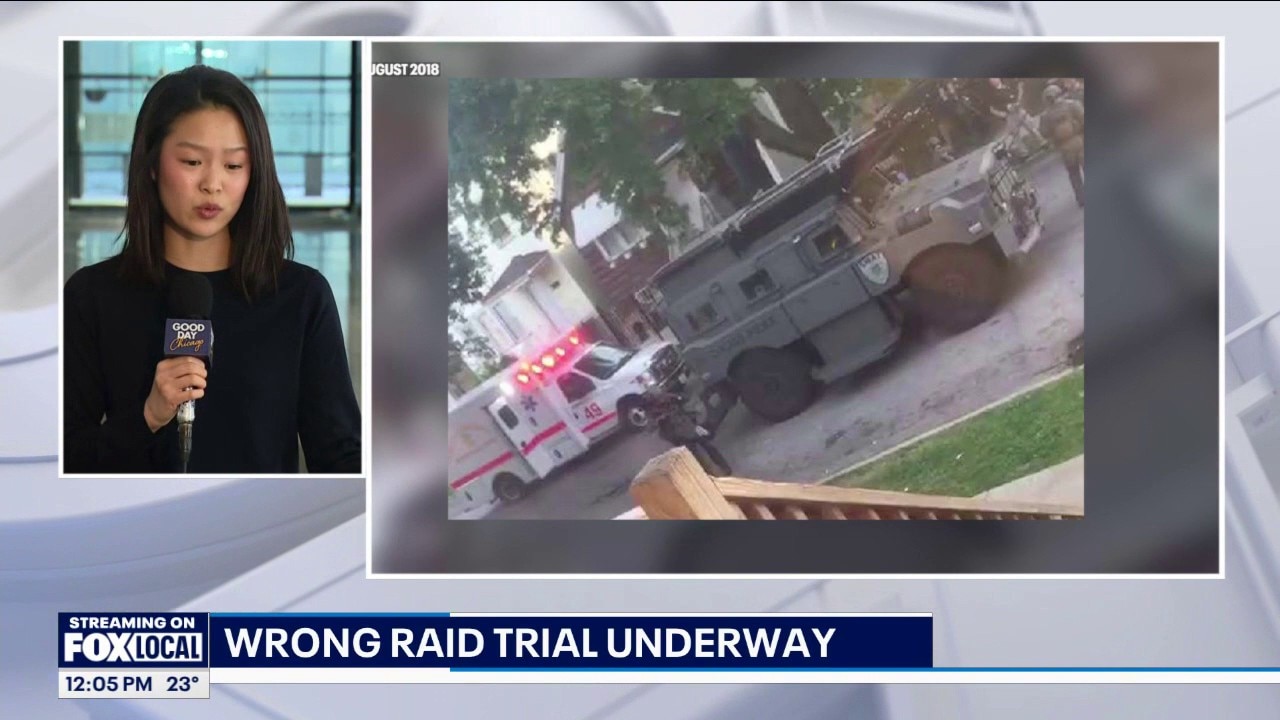
Jury hears opening statements in trial over 2018 Chicago police raid on Ebony Tate’s home
Opening statements wrapped up as testimony began in a civil trial examining a 2018 SWAT raid on Ebony Tate’s home, with attorneys sparring over police conduct, accountability and the lack of body cameras at the time.
CHICAGO - A civil trial over a botched Chicago police raid that happened nearly 10 years ago is now underway.
What we know:
Opening statements have wrapped up, and testimony is now underway in a civil trial examining a 2018 SWAT raid on the Chicago home of Ebony Tate.
During opening statements, attorneys for the city said officers were searching for a gang member and convicted felon who had been seen on social media posing with a weapon outside the Tate family’s home.
They said officers executed two search warrants at the same time — one at Tate’s home and another at the neighboring building — in an effort to "increase their chances of catching the individual." The person officers were looking for was ultimately found in the building next door, along with a weapon described as similar to an AR-15.
The Tate family’s attorney described the trauma the family endured during the 2018 raid, saying masked officers entered the home without warning and pointed assault rifles at children inside. The attorney also said Cynthia Eason, Tate’s mother, was forced outside wearing only a T-shirt and underwear while the SWAT team conducted its search.
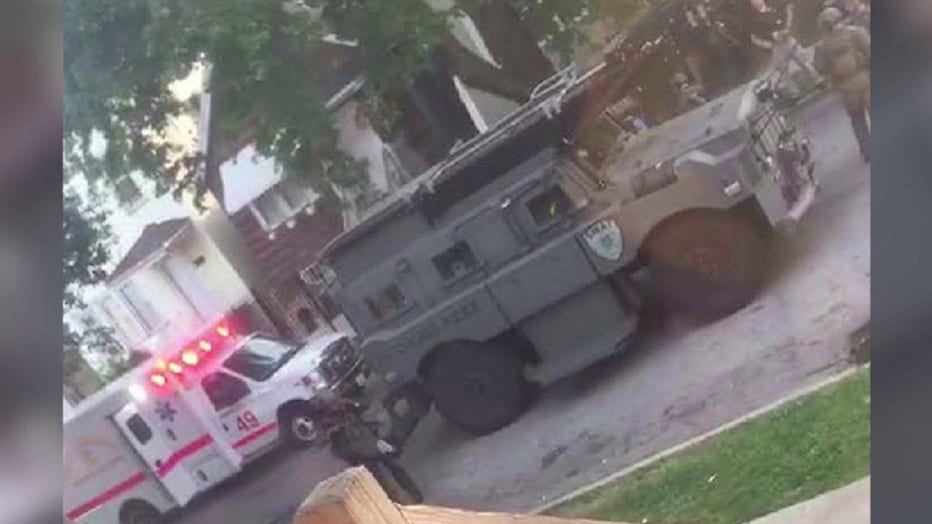
While CPD did have a search warrant, the family’s attorney argued it was not a "no-knock warrant," meaning officers should have knocked or announced themselves before entering the home.
Body camera footage from the raid was not available. The defense said body cameras were still being phased into the department at the time, though their use has since expanded.
Former Mayor Rahm Emanuel had been set to testify, but a federal judge later reversed course and ruled he would not have to take the stand. Emanuel was expected to testify about what has been described as a "code of silence" within the Chicago Police Department — something he publicly acknowledged in a 2015 speech. In that speech, he described it as "the tendency to ignore, deny, or in some cases cover up the bad actions of a colleague or colleagues."
FOX 32 has reached out to attorneys for the city to ask why the former mayor was no longer required to testify but has not yet received a response.
That alleged "code of silence" is a central argument for the plaintiffs, who claim it was widespread within the department and that the city failed to address the issue. They pointed to investigations by the Chicago Police Accountability Task Force and the U.S. Department of Justice in 2017, which found the city failed to investigate nearly half of police misconduct complaints.
The defense pushed back, saying that since those 2017 findings, the city has expanded officer training and oversight, including broader use of body cameras.
The Source: FOX Chicago's Se Kwon reported this story from Chicago.