

Cyclosporiasis in Illinois: Here's how many cases have been reported

What to know about cyclosporiasis | ChicagoLIVE
An outbreak of cyclosporiasis is concerning people around the country. We hear from Dr. Sharon Welbel from Cook County Health, to explain the health issue.
CHICAGO - Illinois is reporting hundreds of confirmed and probable cases of cyclosporiasis as health officials across the country continue searching for the source of a growing outbreak.
Cyclosporiasis in Illinois
What we know:
According to the Illinois Department of Public Health, there were 216 confirmed and probable cases of the parasitic illness in Illinois as of 7 a.m. Tuesday.
Of those cases:
- 96 people reported traveling outside the U.S.
- 95 cases appear to have been acquired in the U.S.
- 25 cases have an unknown travel history.
- 18 people have been hospitalized.
- No deaths have been reported.
IDPH said Illinois is seeing a higher-than-average number of cases, similar to several other states.
Michigan, for example, typically reports between 40 and 50 cases of cyclosporiasis each year. But on Monday, the state's health department said it had identified 2,640 cases. Because the illness can take up to two weeks to develop after exposure, health officials say additional cases could still emerge.
What we don't know:
Health officials have not identified a single food, grower or supplier responsible for the increase in illnesses.
Michigan health officials say early findings point to lettuce or salad greens as a possible source, but other foods have not been ruled out.
Illinois health officials say they are continuing to work with the Centers for Disease Control and Prevention and other public health partners to look for patterns.
"At this point, no single source or cause of this increase has been identified, and there is no evidence of a large outbreak accounting for all or most of these cases," IDPH said in a previous statement.
Featured
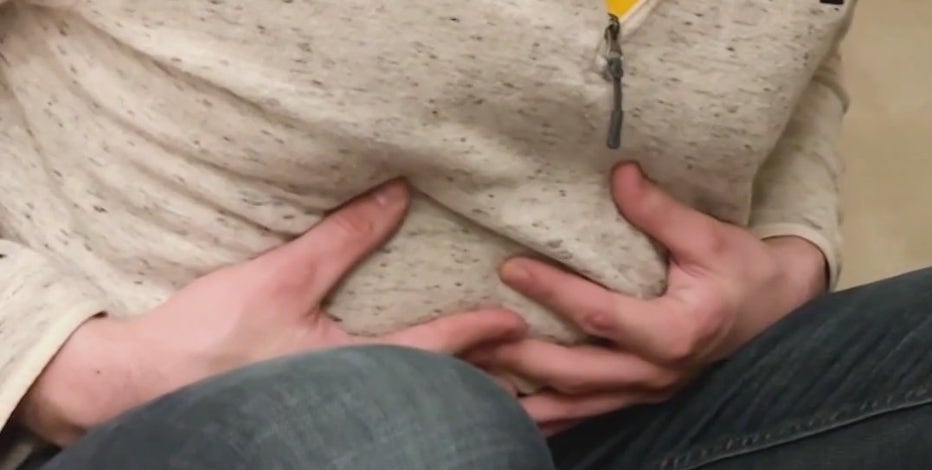
Cyclosporiasis latest: 'Tenacious' diarrhea parasite lingers in Illinois
Illinois officials are continuing to monitor an increase in cyclosporiasis cases that have been wreaking havoc across the Midwest.
What is cyclosporiasis?
Cyclosporiasis is an intestinal illness caused by the parasite Cyclospora cayetanensis. People usually become infected after eating food or drinking water contaminated with feces.
The illness is most often linked to contaminated fresh produce. It does not usually spread from person to person.
Symptoms usually begin two to 14 days after exposure and may include:
- Frequent watery diarrhea
- Stomach cramps and bloating
- Loss of appetite and weight loss
- Nausea (vomiting is less common)
- Low-grade fever
Without treatment, symptoms can last for several days or even more than a month and may come and go.
What you can do:
IDPH recommends following safe food handling practices, including washing all fruits and vegetables under running water before eating, cutting or cooking them.
Michigan health officials say foods linked to previous cyclosporiasis outbreaks in the United States and Canada include:
- Bagged salad mixes
- Fresh cilantro (coriander leaves)
- Fresh basil
- Raspberries
- Snow peas
- Green onions (scallions)
Experts also recommend buying whole heads of lettuce instead of bagged salad mixes when possible, removing the outer leaves and washing the remaining leaves thoroughly. Cooking vegetables that can be cooked is the safest option because the parasite can survive routine washing and chemical disinfectants.
Anyone with ongoing diarrhea should contact a health care provider. The illness can usually be treated with antibiotics.
"There is an antibiotic. It's a sulfa antibiotic, a common one that we use is called Bactrim, that really is very highly effective at treating this, so that's the good news," said Dr. Sharon Welbel, chair of the Division of Infectious Diseases with Cook County Health.
Michigan health officials also noted that recreational swimming, and accidentally swallowing pool water, is not considered a risk factor in the current investigation.
What's next:
State and federal health officials will continue investigating the rise in cases to determine the source of the illnesses and will provide updates as more information becomes available.
The Source: The information in this story came from the Illinois Department of Public Health and the Michigan Department of Health and Human Services.