

How people treat their pets is a good indicator of how they treat others, study finds
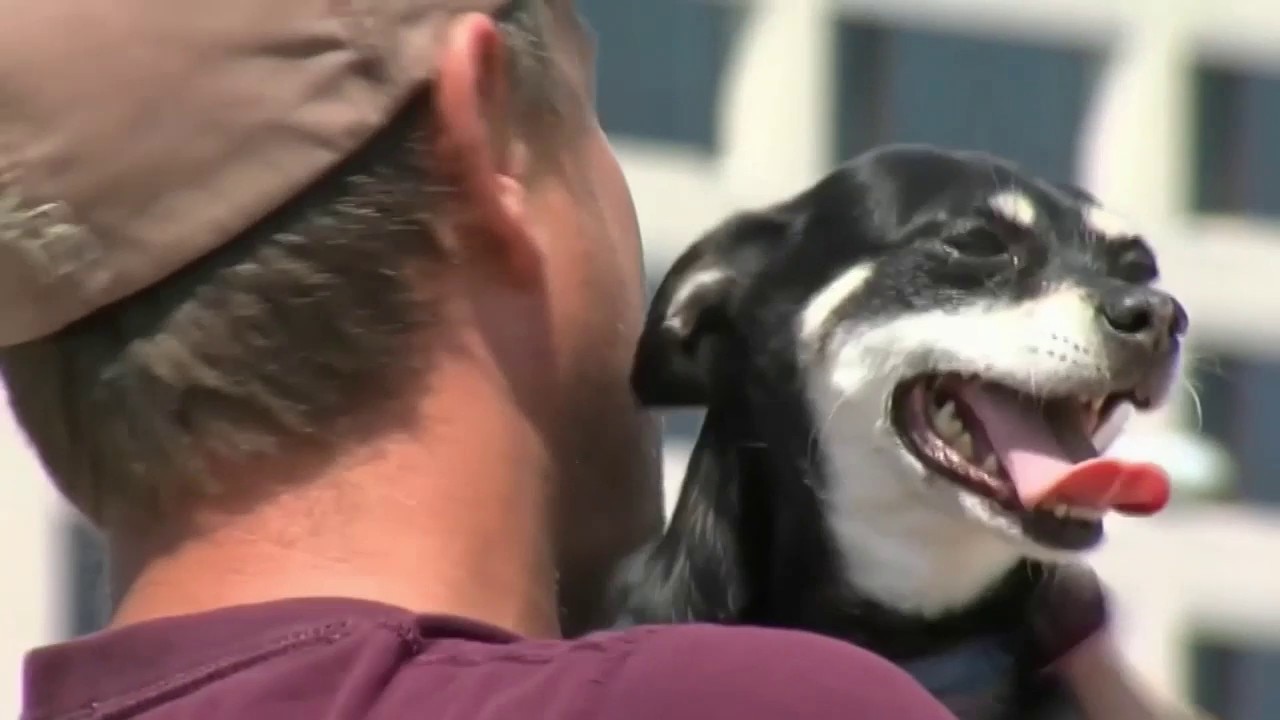
What our pets can teach us about love
For Valentine's Day this year, Rover set out to learn more about our pets and what they can teach us about love. What they discovered was that it's deeper than just a human-animal bond, pets are actually the ultimate green flag when it comes to human romance and relationships. LiveNOW’s Christy Matino spoke with Philip Tedeschi, professor and researcher on the human-animal bond and member of Rover's Pet People panel to learn what our pets can tell us about love and human relationships.
When it comes to relationships, a new study by Rover.com finds that pets are the ultimate green flag and how someone treats their pet is how they will treat others.
For Valentine's Day this year, Rover.com set out to learn more about our pets and what they can teach us about love. What they discovered was that it's deeper than just a human-animal bond - pets are actually the ultimate green flag when it comes to human romance and relationships.
For the study, Rover surveyed 1,000 U.S. pet parents and found that 88% of pet parents agree that how a person treats their pet is a good indicator of how they will treat other people.
"Our companion animals are in many cases some of our most important and reliable relationships in our lives. And so it doesn't surprise me that many people actually recognize that their connection with their animal is so important to them that they're really also interested in how other people treat their animals," said Philip Tedeschi, professor and researcher on the human-animal bond and member of Rover’s Pet People Panel. "So that one of the things that I think it shows us is that our interactions with our animals are substantial measuring sticks for quality relationships. And that in many cases, our animals are teaching us a lot about what's important in a healthy relationship."
The study also showed that more than half, 52%, of pet parents have gone so far as to end a relationship, or decided not to pursue one, based on how that person interacted with their pet and
The survey findings also found that 42% of pet parents agree their pet is better at showing love and affection than their loved ones and another 46% said they are better at giving love and affection to their pet than to their loved ones.
"These human-animal connections are significant. And for many people, some of the most consistent and reliable relationships they have every day," said Tedeschi.
In addition, 81% of pet parents believe that their dogs and cats love them unconditionally, no matter what, and 42% of pet parents say their relationship with their pet has impacted how they view love or commitment.
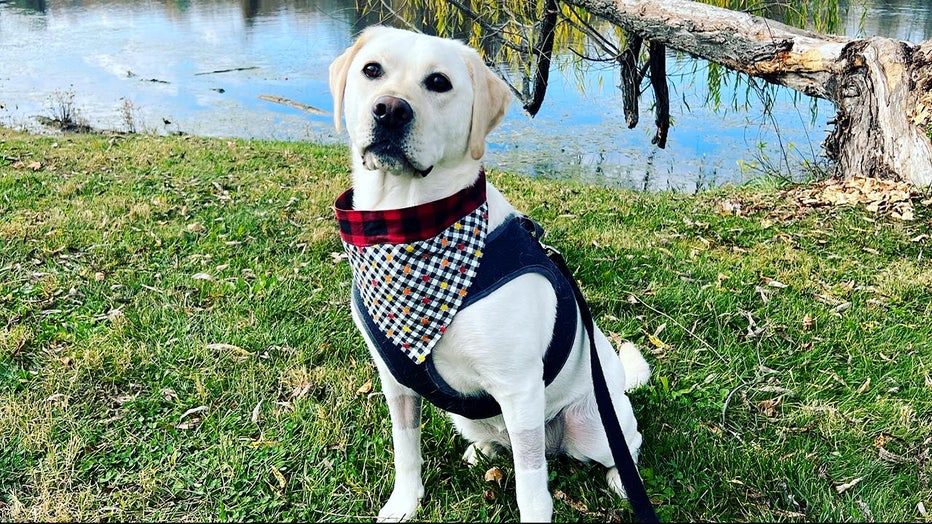
A new study by Rover finds that how a person treats their pet is a good indicator of how they will treat others.
How dogs show love
Dogs often show love through proximity and body language. Choosing to sit nearby, following their person from room to room, or offering relaxed eye contact are all signs of trust and attachment. Some dogs also bring toys or favorite items as a way of sharing something meaningful.
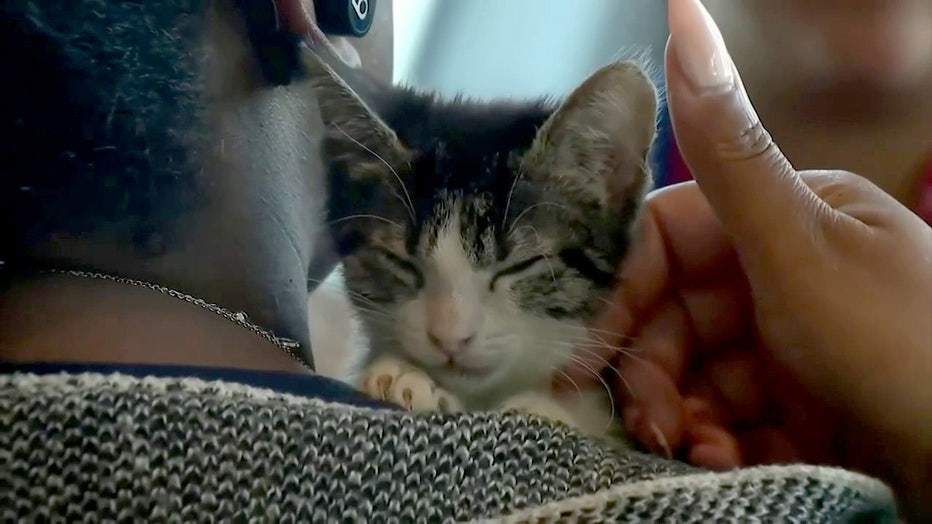
The study found 81% of pet parents believe that their dogs and cats love them unconditionally, no matter what.
How cats show love
Cats tend to communicate affection more subtly. Slow blinking, headbutting, rubbing against legs, or simply choosing to spend time in the same space are all strong indicators of comfort and connection. For many cats, love looks like a shared presence rather than constant physical contact.
The Source: Information in this article was sourced from a Rover.com study and an interview with Philip Tedeschi, professor and researcher on the human-animal bond and member of Rover's Pet People panel. This story was reported from Orlando.