

Illinois conversion therapy ban at risk after Supreme Court ruling
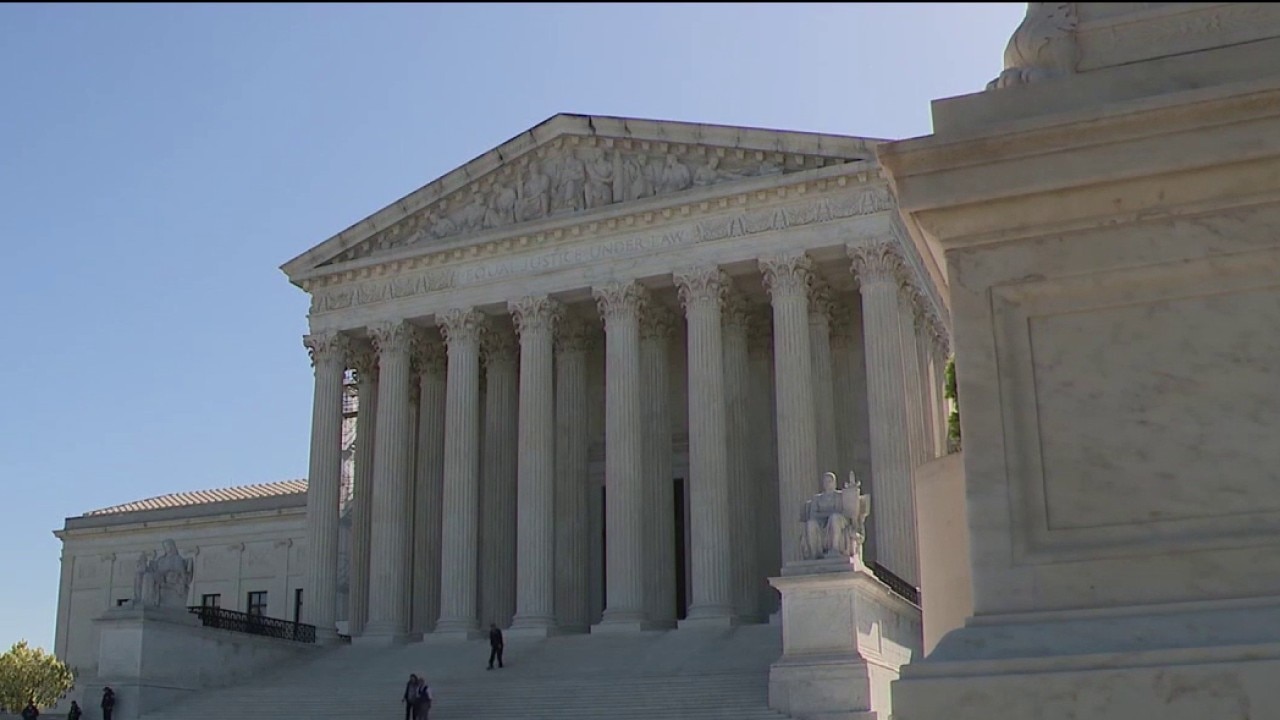
Illinois' conversion therapy ban now at risk
Illinois has banned conversion therapy for minors since 2015 under the Youth Mental Health Protection Act.
ILLINOIS - The U.S. Supreme Court on Tuesday ruled that a Colorado law banning conversion therapy for minors may violate the First Amendment, a decision that could affect future legal challenges to similar laws in Illinois and across the country.
In an 8-1 decision, the court sided with a Colorado Springs counselor who argued the state cannot restrict what she says to clients during therapy sessions. The justices sent the case back to a lower court to decide if the law can hold up under a tougher legal test.
Why this matters in Illinois:
Illinois has banned conversion therapy for minors since 2015 under the Youth Mental Health Protection Act.
That law remains in place today.
What changes is how courts look at it. Judges now have to use a higher legal standard when reviewing laws like this, which could make them easier to challenge.
Scott Bertani, who works in LGBTQ health policy, said the ruling shifts how therapy is viewed under the law.
He said the decision blurs the line between medical care and speech.
"So by framing this law as a restriction on speech instead of what it really is is a regulation of professional conduct… the majority starts to collapse that line between what a licensed therapist practice and just ordinary expression is," Bertani said.
Different views:
Some legal voices say the ruling could have broad implications.
Chicago attorney John Mauck, who previously challenged Illinois’ law as it applied to pastors, said the decision strengthens free speech protections for counselors.
"Today’s High Court decision effectively rules that the Illinois law banning counseling for licensed counselors is invalid as a violation of free speech rights," Mauck said in a statement. "The state has no business telling counselors, ‘You can help people go gay, but you can’t help them go straight.’"
Mauck pointed to a 2017 federal case involving Illinois pastors, where a court found the state’s ban did not apply to clergy.
What the court said:
Justice Neil Gorsuch wrote that the Colorado law may "censor speech based on viewpoint," which raises concerns under the First Amendment.
The case centers on Kaley Chiles, a licensed counselor who said clients seek her out because of shared beliefs.
"I want what is best for my clients, and often they seek me out because we have a shared faith," Chiles said in earlier filings.
Her attorney argued the law blocks certain conversations based on the direction of counseling.
"This law tells them that if they’re seeking help in one direction that licensed mental health professionals and counselors are not available to them," the attorney said.
Health concerns and risks:
Conversion therapy refers to counseling practices aimed at changing a young person’s sexual orientation or gender identity.
Major medical groups, including the American Medical Association and the American Psychological Association, have said the practice is ineffective and linked to increased risks of depression, anxiety, and suicidal thoughts.
Bertani said those risks are central to how health experts view the issue.
"Because conversion therapy is not neutral talk. It’s discredited practice," he said. "And every major medical and mental health body has said that it doesn’t work and that it’s tied to increased risks of depression, anxiety, and suicide, ideation among LGBTQ+ individuals."
What's next:
The case now returns to a lower court, which will decide whether Colorado’s law can meet that tougher legal test.
That decision could shape how similar laws are challenged and defended nationwide, including in Illinois, where lawmakers may need to revisit how the ban is written and upheld.
The Source: The information in this article was reported by FOX Chicago's Terrence Lee.