

Illinois' US Senate candidates on immigration, affordability, other election hot topics
CHICAGO - Illinois voters will vote on who will succeed longtime U.S. Sen. Dick Durbin in this year's midterm elections.
With a competitive Democratic primary race, Fox Chicago asked each candidate to share their take on the biggest issues of the day.
RELATED: Who is running for Illinois’ U.S. Senate seat in the 2026 election?
Below, you can read each candidate's responses to our questions. Only candidates whose campaigns responded are included.
The candidates' responses have been lightly edited for clarity.
Robin Kelly
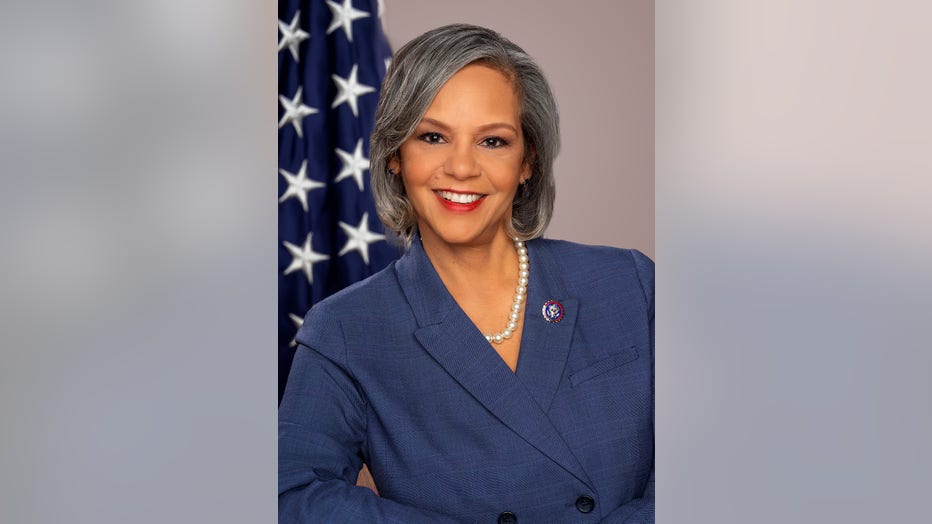
U.S. Rep. Robin Kelly
1. What specific measures should Congress take to address increasingly unaffordable costs for healthcare, housing, and other essential facets of life in Illinois and around the country?
I am running on a platform of People Over Profits because Illinois families have never had to do more with less, and instead of focusing on solutions that will make life easier and more affordable for Americans, Donald Trump and his MAGA GOP allies in Washington are playing dictator and threatening to invade American cities. We need more voices in the United States Senate focused on what truly matters: the issues keeping Americans up at night. I’m running on a People Over Profits platform that is focused on addressing the affordability crisis affecting people across Illinois.
The fight for affordability is the fight for dignity— in health care, housing, child care, and everyday life. We need leaders with the courage to be bold and truly fight for workers and families across Illinois and our country— that begins with finally making the wealthy and well-connected pay their fair share. I believe that means we should do things like:
- Tax billionaires
- Raise wages
- Cap childcare costs
- Provide Medicare for all
2. Immigration, of course, has been a big issue over the last several years. What is your take on the Trump administration’s enforcement measures? What needs to be done to improve our immigration system?
Trump’s enforcement measures are unAmerican and unconstitutional. I believe ICE should be dismantled and rebuilt from the ground up.
Operation Midway Blitz tore apart Chicago communities and families, terrorizing the city and suburbs. DHS Secretary Kristi Noem and her federal agents wreaked havoc on my district and constituents in particular. They landed Black Hawk helicopters on apartment buildings and ripped American citizens from their homes. I told my constituents and Chicagoans that I would fight against Secretary Noem’s agenda and I am fighting back.
I filed Articles of Impeachment against Kristi Noem because I’ve had enough with her reckless abandon for the Constitution, decency and the rule of law. More than two-thirds of the caucus has signed on as cosponsors and support the impeachment of Kristi Noem. Illinoisans and Americans across the country have been disgusted by Secretary Noem’s actions. People have had enough.
Kristi Noem has turned ICE into a rogue force, violating the Constitution, tearing families apart, and leaving death in her wake from Chicago to Minneapolis. Her recklessness cost lives, including Renee Nicole Good.
This isn’t just dangerous—it’s impeachable. What we saw was unacceptable. And we know what we saw—no matter how Trump, Noem and his MAGA allies try to spin it. Kristi Noem is a disgrace to our democracy, and I am impeaching her for obstruction of Congress, violation of public trust, and self-dealing.
3. What are your thoughts on the Senate filibuster rule? Should it be changed to make it easier to pass legislation that can currently be blocked by a minority in the chamber? Please explain your reasoning.
There are so many important bills Democrats could not get passed because of the filibuster. I support changing it.
4. How should Congress address social media, specifically when it comes to what we allow children to be exposed to?
Protecting our children online is an important priority of mine. Study after study has shown that social media has a negative impact on mental health for teens and children. Big Tech companies have created products that addict children and more must be done to protect them online from seeing harmful content and interacting with dangerous individuals.
As a member of the House Committee on Energy and Commerce and a member of the Subcommittee on Communications and Technology, I have both the benefits and dangers of technology top of mind. In Congress, I am committed to promoting technology policies that are in the best interest of all Illinoisans. My top priorities include:
- Protecting Americans' data privacy and personal information through increased cybersecurity measures
- Equitable access to technology for low-income or rural households, schools, and families
- Access to reliable and affordable high speed internet
- Ensuring American workers are prepared to work with Artificial Intelligence (AI) and use it as a positive tool
- Utilizing new technologies to combat potential violence and assist law enforcement officials
- Diversifying the tech industry through STEM education and DEI focused programs
5. Name one issue that you think is important that is getting too little coverage and attention in America today.
Maternal health and morbidity does not get enough attention in America. I will continue to build on my maternal healthcare work in the U.S. Senate. I’m proud to have introduced the first comprehensive maternal healthcare bill in Congress and was able to pass into law an extension from 60 days to one year for Medicaid postpartum care.
I recently announced the WELLS Act, named in honor of my constituent Mercedes Wells, who was forced to give birth in her truck after being discharged from a hospital. The bill urges hospitals and birthing centers to develop and implement a safe discharge plan.
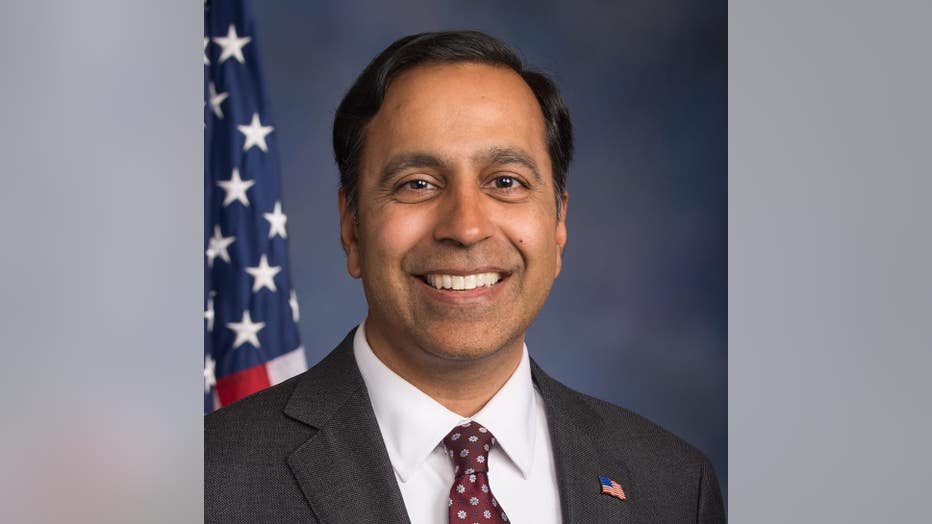
Raja Krishnamoorthi
1. What specific measures should Congress take to address increasingly unaffordable costs for healthcare, housing, and other essential facets of life in Illinois and around the country?
As Illinois’s next U.S. Senator, I will work tirelessly to address the affordability crisis, fighting to lower costs for working families, expand job opportunities that fuel economic growth, and restore critical social safety-net programs that have been cut by the Trump administration.
First, I have introduced the Bringing Back Benefits Act to reverse recent cuts in lifesaving programs such as SNAP and Medicaid. With the expiration of the Affordable Care Act tax credits last year, healthcare costs are rising substantially for millions of Americans. My legislation would restore those tax credits, as well.
Second, my Restore the American Dream Plan would greatly expand the federal investment in career and technical education for the more than 60 percent of Americans who don’t pursue a four-year college degree. This would greatly strengthen the American workforce and economy for the future while providing good-paying jobs to support a middle-class life for millions of American families.
Third, I have introduced legislation to make first-time homeownership more attainable by breaking down one of the biggest barriers facing first-time buyers: the upfront cost of purchasing a home. For too many Illinois families, the cost of buying a home has been pushed out of reach by surging housing prices. My legislation, the First Home Affordability Act, creates a refundable tax credit of up to $25,000 for qualified first-time homebuyers, delivered over the first five years of homeownership — equal to as much as 10 percent of a home’s purchase price and up to $5,000 per year. The policy is designed to help families stabilize their finances early in homeownership, build equity, and remain rooted in their communities
Fourth, my Restore the American Dream Plan would make life more affordable for millions of senior citizens on fixed-incomes by eliminating federal taxes on their Social Security benefits. It would also lower their prescription drug costs by accelerating the number of drugs subject to price negotiation under Medicare and cracking down on Pharmacy Benefit Managers (PBMs), who have served to prop up prices for Big Pharma rather than reduce them for consumers.
2. Immigration, of course, has been a big issue over the last several years. What is your take on the Trump administration’s enforcement measures? What needs to be done to improve our immigration system?
Immigration policy succeeds only through secure borders paired with a real pathway to citizenship that allows people to come here legally, work, and support their families. America’s attraction for legal immigrants is our greatest natural advantage. They fuel our economy, drive innovation, and help keep the U.S. competitive on the global stage. That’s why I’ve fought to fix our broken immigration system — because building the jobs and industries of tomorrow requires both investing in our domestic workforce and welcoming top talent from around the world.
Yet what we’re seeing now with immigration enforcement — chaos, confusion, and cruelty — is not meaningful reform; it’s failure. We must abolish Trump’s ICE, which has repeatedly engaged in immoral, illegal, and unconstitutional actions. The recent murders of two protesters in Minneapolis makes this imperative before ICE returns to Chicago in full force, as the Trump administration has threatened.
I have visited the Broadview ICE facility multiple times, demanding to perform congressional oversight, as is legally authorized. Just weeks ago, with the help of court rulings, I was finally granted access. My long-awaited inspection of the ICE facility raised serious concerns about who they target and how they treat detainees once in custody.
In Congress, I voted against the latest bill to fund DHS, and I will not support one more dollar while it continues without oversight and accountability. I will insist on robust oversight of ICE to ensure it complies with the law while unmasking ICE officers and holding them fully accountable for violence against deportees and those protesting lawfully.
Kristi Noem must be held accountable for her agency’s failures – she must be fired. If she's not fired, then she must be impeached. There must be an end to warrantless arrests and roving gangs of ICE or CBP agents throughout our cities, and we must have mandatory third-party investigations for all use of force.
Fixing our broken immigration system will not result from chaos or cruelty. Donald Trump has weaponized DHS, ICE & Customs and Border Patrol (CBP) in ways that terrorize communities and tear families apart. That approach is morally indefensible and incompatible with the rule of law. Our legal immigration system has been broken for far too long. I am fighting for solutions, which will only be accomplished through bipartisan cooperation and a commitment to putting progress ahead of politics.
3. What are your thoughts on the Senate filibuster rule? Should it be changed to make it easier to pass legislation that can currently be blocked by a minority in the chamber? Please explain your reasoning.
I support eliminating the filibuster to pass essential legislation to protect the rights of Americans, including voting and abortion rights.
4. How should Congress address social media, specifically when it comes to what we allow children to be exposed to?
Congress must step in because the status quo is failing families. Our children’s safety must come before Big Tech’s profit margins. Social media companies have built platforms that expose children to harmful content and aggressively collect their data, all while avoiding real accountability. Congress must establish clear guardrails for what children can be exposed to, ban targeted advertising to kids, and strictly limit the collection, use, and sale of minors’ data — including sensitive information such as location and messaging metadata.
Congress must also repeal Section 230 of the Communications Decency Act, which has allowed social media companies to avoid accountability while children are being harmed on their platforms for far too long. Senator Durbin’s bipartisan proposal to sunset Section 230 is a necessary step to force Big Tech to put people over profits and give victims the justice they deserve.
I’ve investigated predatory advertising practices and taken on companies, including YouTube and TikTok, over their treatment of teens’ data. But without strong federal policy, these companies will continue to operate without restraint. Comprehensive privacy and online safety measures are essential to ensure that these platforms are held accountable and families are protected.
5. Name one issue that you think is important that is getting too little coverage and attention in America today.
One critical issue that doesn’t get nearly enough attention is the growing disconnect between the skills our 21st-century economy demands and the training our education system delivers. For the more than 60 percent of Americans without a four-year college degree, a strong career and technical education system is essential in preparing for today’s jobs and tomorrow’s opportunities. Investing in career and technical education strengthens our workforce, expands pathways to the middle class, and keeps our economy competitive.
Since I was elected to Congress, I’ve worked with colleagues, constituents, and advocates to move career and technical education from the margins to the mainstream of our national conversation. I authored the landmark bipartisan legislation to modernize these programs and align training with in-demand skills. Our law, the Strengthening Career and Technical Education for the 21st Century Act, modernized CTE programs for the first time in more than a decade and provided nearly $1.4 billion annually to programs across Illinois and around the country for millions of Americans.
Now, I’m fighting to build on that progress by doubling federal investment in CTE so more Americans can access high-quality training, secure good-paying jobs, and build lasting economic opportunities. In an increasingly competitive world, investing in our workforce is how we stay ahead.
Juliana Stratton
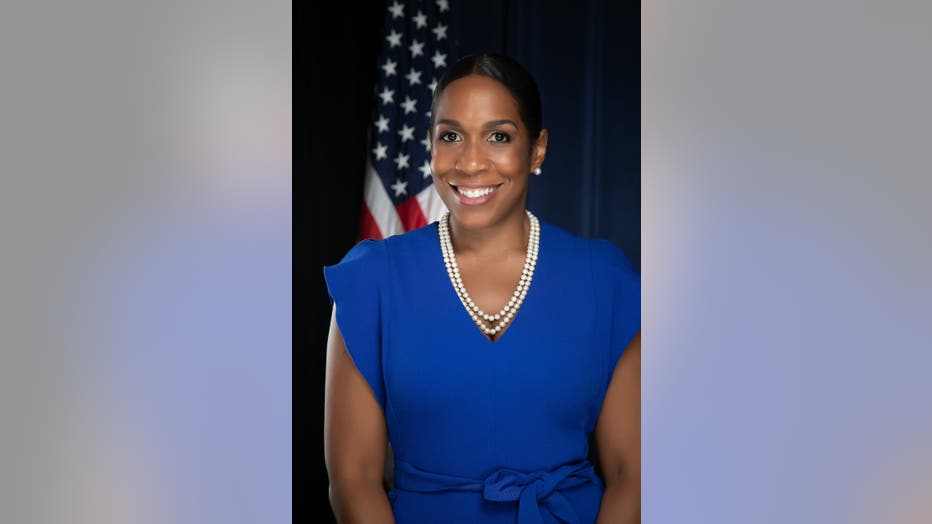
Lt. Gov. Juliana Stratton
1. What specific measures should Congress take to address increasingly unaffordable costs for healthcare, housing, and other essential facets of life in Illinois and around the country?
Right now, life is way too expensive. Donald Trump’s tariffs and rampant corporate greed are skyrocketing prices on everything from food to health care to utilities, and our families are suffering as a result. Middle class Illinoisans shouldn’t be forced to go without so that elected officials can line the pockets of their wealthy friends and corporate overlords.
But rising prices are just one symptom of a broken system. For too long, big corporations across every sector have operated virtually unchecked by Washington. And too often, the very politicians failing to hold corporation interests accountable are actually being rewarded by them. This system is failing Illinoisans. I am the only candidate in this race who is rejecting corporate PAC money, because I believe that middle class Illinoisans should come before corporate special interests.
Illinoisans work hard, and they deserve a comfortable, dignified life where they can put food on the table without having to worry about making rent or skipping a dose of medication to afford it. That’s why as Lieutenant Governor, I’ve helped bring down costs and ensure workers are paid fairly for their work. Together with Governor Pritzker, I’ve helped eliminate the grocery tax, raise the minimum wage, relieve medical debt, and lower prescription drug prices – putting money back in the pockets of hardworking Illinoisans.
That’s the kind of work I’ll bring to the federal level too. I will fight for a $25 minimum wage, because Illinoisans shouldn’t have to work multiple jobs to put food on the table. I’ll fight for Medicare for All, because no one should have to choose between paying their bills and getting the care they need. And I want to lower the cost of housing, to restore the dream of home ownership to more Americans and to make rent more affordable by cutting red tape that prevents building more housing and by ensuring that families aren’t competing with big banks to purchase homes.
My campaign is about giving the people what they want, not catering to corporate special interests. You can read my full policy blueprint for making life more affordable at JulianaStratton.com.
2. Immigration, of course, has been a big issue over the last several years. What is your take on the Trump administration’s enforcement measures? What needs to be done to improve our immigration system?
ICE must be abolished. It is out of control and beyond reform. New leadership or a smaller budget can't change the fact that ICE exists to terrorize communities and execute Trump's authoritarian agenda. We've seen it in Chicago, we've seen it in Minneapolis, and the violence will continue as long as ICE exists.
As Lieutenant Governor, I have never shied away from defending our immigrant communities, and I won’t back down now when families and basic rights are on the line. The Trump Administration is engineering a crisis – a spectacle designed for headlines, not for public safety. This administration is not going after the "worst of the worst," as they claim. They are targeting our neighbors – hardworking people who have been contributing to our communities for decades – people who run local businesses, sell flowers at the corner, and have shown up every day to build a life here. This is not about making us safer. When federal agents operate without transparency – wearing masks, using unmarked cars, not showing clear identification – that creates confusion and fear that puts everyone from local law enforcement to businesses to families at risk. Parents are afraid to send their children to school. Small businesses are losing customers or closing their doors for good because people are afraid to leave their home. That is the point of this stunt: intimidate, distract, and tear communities apart.
If elected to the U.S. Senate, I would support defunding and abolishing ICE. DHS’s immigration enforcement budget has ballooned to over $150 billion under Donald Trump. Taxpayers have wasted over $59 million in Operation Midway Blitz alone – critical dollars better spent in programs that invest in communities, not tear them apart. I would also support legislation to increase accountability and transparency, including the Protecting Sensitive Locations Act to keep ICE out of schools, churches, and hospitals, legislation requiring clear identification and banning non-medical face coverings for ICE agents, and the codification of use of force policies for DHS. While we must address the immediate harms being done to immigrant communities, we also need to take action to repair this broken system. I want to build a better pathway to citizenship, including for Dreamers, and would proudly support the American DREAM and Promise ACT.
Illinois will not be bullied. We follow the law. We respect the Constitution. We will not join this administration in violating it. We will not normalize military-style tactics on our streets.
3. What are your thoughts on the Senate filibuster rule? Should it be changed to make it easier to pass legislation that can currently be blocked by a minority in the chamber? Please explain your reasoning.
Trump and Republicans have thrown out the entire rulebook and stomped on the Constitution time and time again. Unprecedented times call for unprecedented measures, so I support abolishing or reforming the filibuster.
The filibuster has repeatedly impeded progress, and change is necessary in order to stop Trump’s dangerous attempts to gut healthcare and SNAP benefits, pass the John Lewis Voting Rights Act, restore the protections of Roe, or raise the minimum wage – issues that are central to my platform and would improve the lives of Illinoisans. Donald Trump and Senate Republicans want to continue to block progress. Here in Illinois, we focus on how to get things done.
That’s how we’ve been able to protect women’s rights, eliminate the grocery tax, lower prescription drug costs, and more – the same fight I plan to bring to the Senate.
4. How should Congress address social media, specifically when it comes to what we allow children to be exposed to?
For too long, platforms have been allowed to operate without appropriate oversight, designing algorithms that reward engagement at any cost, even if that engagement is causing anxiety, depression, self-harm content, and other harms to young people. That’s unacceptable.
We need to create stronger privacy protections for children, limit targeted advertising to minors, enforce age limitations on social media platforms, and increase transparency around algorithms that are designed to amplify harmful content or addict kids. At the same time, we need to give parents better tools and clearer information, invest in digital literacy, and make sure enforcement agencies actually have the authority to act when companies put profits over kids’ wellbeing.
5. Name one issue that you think is important that is getting too little coverage and attention in America today.
Corporations have far too much influence over outcomes in Washington. It has been accepted as the norm for too long. That’s why I am the only leading candidate in this race who is rejecting corporate PAC money. I’m focused on putting the needs of Illinoisans first, not corporate special interests. As long as D.C. politicians are bought and paid for by the very corporations whose greed has contributed to skyrocketing rents, groceries, and prescription drug costs, working families won’t see their interests at the forefront.
We need campaign finance reform, we must overturn the disastrous Citizens United decision that keeps monied interests at the forefront of our politics. I’m proud to be endorsed by End Citizens United, and I’ve joined their Unrig Washington pledge to reject corporate PAC money, ban congressional stock trading, and crack down on dark money.
Steve Botsford
1. What specific measures should Congress take to address increasingly unaffordable costs for healthcare, housing, and other essential facets of life in Illinois and around the country?
Healthcare
- Build more care. Expand medical school and residency slots and let nurses and NPs do more where it’s safe.
- Force real price competition. Ban gag clauses, enforce hospital price transparency with teeth, and stop anti-competitive hospital consolidation.
- Lower drug costs. Benchmark Medicare drug prices to what peer countries pay, speed up generics, and allow reciprocal approval from trusted regulators.
Housing
- Make it legal to build more. Tie federal housing and infrastructure dollars to zoning reform and faster permitting, especially near transit.
- Cut construction costs. Standardize building codes where possible, legalize more modular and manufactured housing, and expand financing for infill and missing middle housing.
Everyday essentials
- Remove cost-raising protectionism. Repeal the Jones Act and Foreign Dredge Act and roll back Trump's tariffs that raise prices on consumer goods, building materials, and farm inputs.
2. Immigration, of course, has been a big issue over the last several years. What is your take on the Trump administration’s enforcement measures? What needs to be done to improve our immigration system?
Interior enforcement under Trump went after the wrong people. Raids targeting day cares, churches, and Home Depot parking lots are not serious public safety policy. They create fear, disrupt local economies, and pull law enforcement away from real threats. Enforcement should focus on violent criminals and repeat offenders, not parents and workers.
At the same time, the border has to be enforced. A country without control of its borders cannot sustain a legal immigration system. That means more personnel and technology at ports of entry and faster processing so people are not released into limbo for years.
The asylum system also needs to be fixed. It was never designed to handle mass economic migration. Claims should be processed quickly, fraudulent claims rejected promptly, and real refugees protected without waiting years in backlogs.
Finally, legal immigration should be rebuilt around the American economy. We need more work visas, faster pathways for healthcare workers, builders, and farm labor, and a system that lets people apply legally from abroad instead of forcing disorder at the border.
3. What are your thoughts on the Senate filibuster rule? Should it be changed to make it easier to pass legislation that can currently be blocked by a minority in the chamber? Please explain your reasoning.
I’m against the filibuster as it exists today. It was once a tool to force compromise. Now it’s a routine weapon to stop almost any legislation from moving.
In a democracy, majorities should be able to govern. If they pass bad laws, voters can throw them out at the next election. What we have now lets partisans block everything without accountability, that is no way to run the US Senate.
The Senate should debate, amend, and vote. It shouldn’t require a supermajority just to allow the country to move forward.
4. How should Congress address social media, specifically when it comes to what we allow children to be exposed to?
Congress should focus on protecting kids online.
That means clear rules for minors: real age verification, strong default safety and privacy settings, and a ban on addictive design features aimed at children. For younger teens, platforms should not use algorithmic feeds at all; no recommendation engines until at least age 16.
Platforms should be transparent about how content is shown to minors and be held responsible when they knowingly promote harmful material. Parents should also have simple, usable tools to limit time, content, and notifications.
5. Name one issue that you think is important that is getting too little coverage and attention in America today.
That the biggest obstacles to affordability aren’t partisan, they’re entrenched special interests.
Whether it’s the AMA blocking expansion of medical residency slots, so-called environmental groups stopping multifamily housing in deep-blue cities, or protectionists refusing to modernize our ports or repeal the Jones Act, the pattern is the same. A narrow group benefits, and everyone else pays higher prices.
We won’t fix affordability until we’re willing to take on these interests directly, even when they sit inside our own coalition.
Jonathan Dean
1. What specific measures should Congress take to address increasingly unaffordable costs for healthcare, housing, and other essential facets of life in Illinois and around the country?
There are several measures that must be taken in the short term to quickly ease people's economic pain and then measures that should be taken long-term to make life consistently more affordable. Short term measures should include being able to pay for necessities, such as child care, student loan payments, and groceries, on a pre-tax basis; increased first time home buyer assistance; and raising the minimum wage to $26/hour and tying it to inflation. Long term measures should be refocusing fiscal policy to benefit everyday people (95% of us), which includes raising taxes on corporations and wealthy individuals and lowering taxes on the rest of us; increasing enforcement of antitrust laws, including anti-monopoly provisions of the Sherman Antitrust Act and passing additional anti-monopoly legislation.
2. Immigration, of course, has been a big issue over the last several years. What is your take on the Trump administration’s enforcement measures? What needs to be done to improve our immigration system?
Trump has been abusing ICE and CBP to target anyone who is non-white and harass and intimidate liberals who do not agree with his agenda. We need comprehensive immigration reform, which should include a path to citizenship for undocumented folks who do not have criminal records; a strong border; and increased immigration processing workers so that our immigration system can be functional again. Immigration reform must include abolishing ICE.
3. What are your thoughts on the Senate filibuster rule? Should it be changed to make it easier to pass legislation that can currently be blocked by a minority in the chamber? Please explain your reasoning.
The filibuster should be eliminated. The Senate already has built in protections to protect the Democratic Minority, such as each state being allotted the same amount of Senators. The filibuster prevents the Senate from doing almost anything meaningful.
4. How should Congress address social media, specifically when it comes to what we allow children to be exposed to?
Social media should be banned for children. Period.
5. Name one issue that you think is important that is getting too little coverage and attention in America today.
That social media and media fragmentation is deteriorating the concept of truth. The repeal of the Fairness Doctrine in the 1980s has led to this and we need to explore re-invigorating the fairness doctrine, because misinformation is causing chaos. If citizens cannot agree on basic facts, then citizens cannot compromise and govern. Left unaddressed, the phenomenon of misinformation will only sow further chaos.
Adam Delgado
1. What specific measures should Congress take to address increasingly unaffordable costs for healthcare, housing, and other essential facets of life in Illinois and around the country?
Congress should reinstate the subsidies that recently expired. The private sector has recently developed lower cost housing in Chicago, Los Angeles (Costco), and Brooklyn, New York. The only way Americans will get assistance with the costs of living around the USA is if the democrats get a super majority. Federal funding has been frozen in most blue states.
2. Immigration, of course, has been a big issue over the last several years. What is your take on the Trump administration’s enforcement measures? What needs to be done to improve our immigration system?
We had the bi-partisan agreement in 2024 on immigration but Trump told the GOP to kill the bill. We need to restore the bill and make it law. I believe the immigration enforcement has been conducted in violation of the constitution and the law. Rep Hank Johnson of GA has reintroduced the Bivens Act which allows citizens to sue federal employees acting outside the scope of their authority.
3. What are your thoughts on the Senate filibuster rule? Should it be changed to make it easier to pass legislation that can currently be blocked by a minority in the chamber? Please explain your reasoning.
The filibuster is important but it has been abused. We need to devise a tool to break any abuse.
4. How should Congress address social media, specifically when it comes to what we allow children to be exposed to?
Australia recently enacted legislation addressing this issue. I don’t believe we could get it passed in the USA because there will be too many people opposing it just as the situation is on child immunizations or on the assault weapons ban.
5. Name one issue that you think is important that is getting too little coverage and attention in America today.
The data centers around the country are using massive amounts of water to cool the servers because water is cheaper than electricity. As a result, many Americans are facing water shortages and their appliances are being damaged by soot entering the water supply for dishwashers, washing machines and their home. Farmers need water for their crops and the cost of water will skyrocket. We have already been experiencing water shortages. As a Senator, I would introduce a bill to require data centers that they must build their own solar power sources, use wind, or traditional power.
Bryan Maxwell
1. What specific measures should Congress take to address increasingly unaffordable costs for healthcare, housing, and other essential facets of life in Illinois and around the country?
Passing Medicare for All, which has been shown in multiple studies to reduce national spending on healthcare and costs for the individual. I also support direct payments to Americans and an ARPA 2.0 program, similar to financial assistance passed by the Biden/Harris administration in the COVID Relief package, to get financial aid to struggling Americans and reduce local and state taxes.
2. Immigration, of course, has been a big issue over the last several years. What is your take on the Trump administration’s enforcement measures? What needs to be done to improve our immigration system?
Trump's reliance on ICE to enforce immigration policy is increasingly violent and illegal. In many cases, US citizens are being detained and legal residents are being detained without any due process, in violation of constitutional rights. We need a process for legalization for undocumented immigrants so they can continue to pay taxes and contribute to the economy. We also need to end overseas regime change and economic sanctions which are key drivers of mass migration due to political and economic instability caused by US foreign policy.
3. What are your thoughts on the Senate filibuster rule? Should it be changed to make it easier to pass legislation that can currently be blocked by a minority in the chamber? Please explain your reasoning.
I believe that to pass any meaningful legislation that will help change the material conditions of working class families, including Medicare for All, it is necessary to end the filibuster. The filibuster has become an excuse for Congress to not pass any meaningful legislation and has forced the executive branch (President) and judicial branch (Supreme Court) to make decisions affecting hundreds of millions of Americans.
4. How should Congress address social media, specifically when it comes to what we allow children to be exposed to?
Social media companies need to be regulated to reduce mental health issues for children. AI needs to be regulated such that any AI content is labeled, otherwise users will be banned from these platforms. Social media algorithms also need to be regulated to reduce monetization of attention or limits on engagement to reduce partisan conflict in this country.
5. Name one issue that you think is important that is getting too little coverage and attention in America today.
The Democratic Party and the two leading candidates in this race, Julianna Stratton and Raja Krishnamoorthi, are continuing to stand behind one of the most unpopular and immoral policies that this party holds: continued US military support for Israel and it's unjustified violence in Gaza. Former Vice President Harris has admitted this policy was the main cause behind the 2024 loss to Donald Trump, and yet the national leadership of this party continues to stand on this policy.
Christopher Swan
1. What specific measures should Congress take to address increasingly unaffordable costs for healthcare, housing, and other essential facets of life in Illinois and around the country?
Medicare for All: free at point of service, no premiums, no deductibles, no copays. Housing for All: federal government builds community-owned housing and transfers it to residents, taking housing out of the speculative market entirely. Guaranteed income ensuring no one's income falls below a living wage. And a $25 minimum wage so work actually pays. These costs aren't accidents. They're the result of a system designed to extract wealth from the act of living. We stop tolerating that.
2. Immigration, of course, has been a big issue over the last several years. What is your take on the Trump administration’s enforcement measures? What needs to be done to improve our immigration system?
Trump's enforcement is terrorizing communities while solving nothing. ICE raids don't fix a broken system. They deepen it. I support abolishing ICE. What we need is constitutional protections for every person in this country regardless of status: warrant requirements, right to counsel, real judges. And simple pathways to citizenship for all 11 million undocumented people already here. Immigration is people seeking better lives. We should treat it that way.
3. What are your thoughts on the Senate filibuster rule? Should it be changed to make it easier to pass legislation that can currently be blocked by a minority in the chamber? Please explain your reasoning.
Eliminate it. The filibuster is not a tool of democracy. It's a tool of obstruction. It lets a minority of senators block legislation that serves millions of people. Healthcare, housing, voting rights, climate: all stalled because 41 senators can say no. The Senate exists to deliberate and decide, not to let the status quo win by default. If we can't pass legislation that a majority supports, we don't have a functioning democracy.
4. How should Congress address social media, specifically when it comes to what we allow children to be exposed to?
Age-gated access with real verification, not checkbox consent that every teenager bypasses in three seconds. Mandatory algorithmic transparency so we can see what platforms are feeding children and why. Hold platforms liable when their algorithms deliberately amplify content that harms minors. But here's what I'd actually push: fund the wraparound support in schools. Counselors, mental health services, digital literacy education. So kids have the tools to navigate this world, not just restrictions. Both. Not either/or.
5. Name one issue that you think is important that is getting too little coverage and attention in America today.
The benefits cliff. When someone working a low-wage job gets a raise or picks up extra hours, they can actually become poorer, losing SNAP, childcare assistance, housing support, healthcare. The system punishes people for trying to climb out. Over 3 million families face this trap right now, and almost nobody is talking about it. It's the mechanism that keeps poverty permanent, and it's the reason guaranteed income isn't radical. It's the only policy that solves a problem the system was designed to create.