

'Explosive' diarrhea parasite hits Illinois as CDC searches for source

Illinois doctor explains what to know about the 'explosive' diarrhea parasite
The CDC is reporting an outbreak of cyclosporiasis, a parasitic illness that can cause severe, watery diarrhea. Numerous cases have been identified across 17 states, including Illinois.
CHICAGO - Illinois is reporting cases of a parasitic illness this summer that causes "explosive" diarrhea and can last for over a month.
The parasite, cyclosporiasis, infects the small intestine, typically causing watery diarrhea, and frequent, sometimes "explosive" bowel movements, according to the Centers for Disease Control and Prevention. It is spread by ingesting something — such as food or water — contaminated with feces.
Cyclosporiasis in Illinois
What we know:
The CDC says between 11 and 30 people in Illinois have been sickened by the parasite since the start of May, placing the state among those with the highest number of reported cases nationwide. Only New York and Texas have reported similar or higher case totals so far.
The CDC, along with the FDA and state health departments, is investigating several clusters of illnesses across multiple states but has not yet identified a common source.
"Unlike your standard viral stomach bug, you don't really catch it from somebody else," Dr. Jeremy Smiley from Endeavor Health said. "You catch it from consuming contaminated fresh produce, things like berries, leafy greens, cilantro. Especially as we head into the 4th of July weekend, it's important to have some precautions in mind when you're out at these barbecues. If you wanna play it really safe, you could always grill your vegetables."
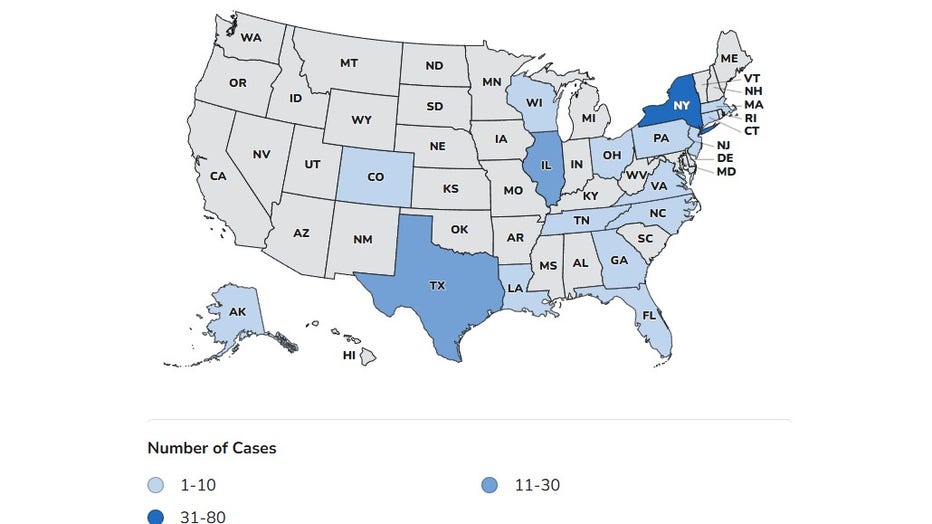
(CDC)
Symptoms of cyclosporiasis
What you should know:
According to the CDC, the main symptoms and signs of cyclosporiasis are:
- Watery diarrhea (most common)
- Loss of appetite
- Weight loss
- Cramping
- Bloating
- Increased gas
- Nausea
Less common symptoms may include vomiting, body aches, headaches and a low-grade fever.
Some people recover without treatment, but symptoms can last for weeks or even months if left untreated.
"It's the classic kind of rearview mirror bug," Smiley said. "When people get sick, they like to think of it of what they ate the night before. But often with this, it's not last night's takeout. It might be something you ate a week ago and so when you have this amount of delay from consumption to symptoms being about a week or even more, it's hard to track down.
Cyclosporiasis cases typically rise during the spring and summer months, with the annual season running from May through August.
Preventing cyclosporiasis
Dig deeper:
Sanitation is the best way to prevent contracting the bug.
"Washing is the number one of the best things you can do," Smiley said. "Wash your food, wash your hands, and then just kind of be aware of what you are eating. It takes a while to really track down the underlying cause, what is contaminated, because often the symptoms are quite delayed."
Travelers visiting areas where the parasite is more common are advised to take extra precautions, as it can survive routine chemical disinfection and sanitizing methods that are effective against some other germs.
The CDC also notes that people can become infected more than once and develop symptoms again.
What's next:
The CDC says investigations into this year's outbreak remain ongoing.
The Source: The information in this report came from the Centers for Disease Control and Prevention and interview with Dr. Jeremy Smiley from Endeavor Health.