

Trump administration pushes ahead with border wall on tribal land
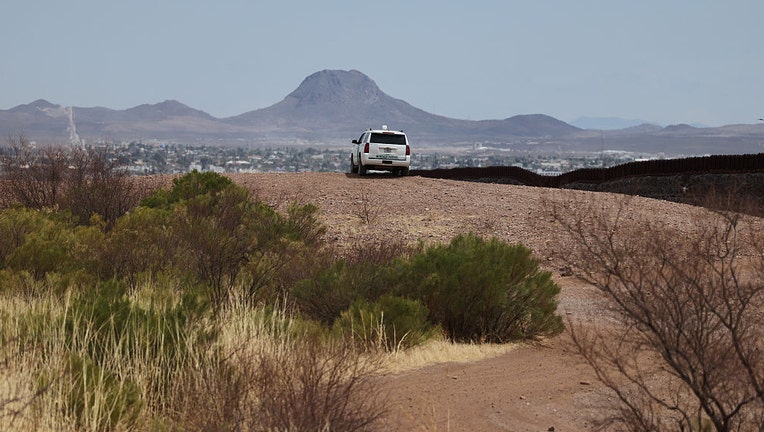
FILE-A Border Patrol vehicle is seen along the fence at the southern US border with Mexico, in Douglas, Arizona, on April 3, 2025. (Photo by DAVID SWANSON/AFP via Getty Images)
PHOENIX - The Trump administration is starting work on a project to construct a border wall in southern Arizona on part of a Native American tribe’s reservation.
U.S. Customs and Border Protection told The Associated Press that the area is a dangerous smuggling route and that building the wall will close a security gap.
RELATED: Judge rejects Trump administration policy impacting immigrants from 39 countries
In August, a judge allowed the federal government to proceed with building the wall, but the tribe told the AP that the contractors are violating tribal codes and trespassing to gain entry to the border wall site.
Native American tribe opposes border wall
What they're saying:
Members of the Tohono O'odham Nation allege that the Trump administration is trespassing and explained to the AP that the construction will damage land sacred to the tribe.
The Tohono O'odham Nation said in a statement Tuesday, obtained by The Associated Press, that roughly 20 Customs and Border Protection officers, working with contractors, went onto the tribe's land early that morning to start construction.
RELATED: Trump administration can continue detaining immigrants without bond, US appeals court rules
The other side:
U.S. Customs and Border Protection defended the need for the wall in a statement Tuesday, saying the desert spanning the Tohono O’odham Nation is a corridor for drug smuggling.
"The project will close one of the most dangerous smuggling and trafficking corridors on the Southwest border: a remote desert that has facilitated decades of drug loads, migrant deaths, and cartel activity," said CBP Commissioner Rodney Scott.
Tribal officials told the AP they’re looking into further legal actions to remove contractors.
The Source: Information for this story was provided by The Associated Press, which obtained a statement from the Tohono O'odham Nation and a statement from U.S. Customs and Border Protection. This story was reported from Washington, D.C.