

Artemis II live tracker, day 6: Track NASA's moon mission
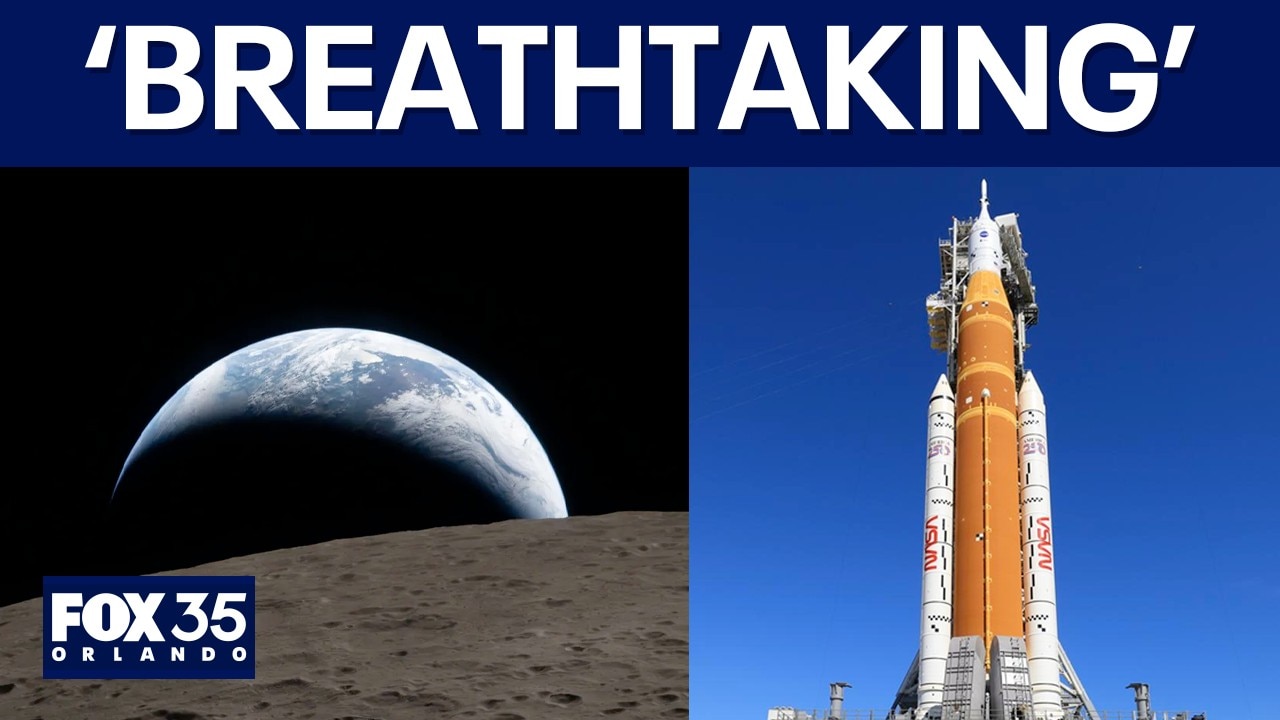
What's going on in space with Artemis II astronauts
The Artemis II astronauts continue their 10-day moon mission, sending more photos of the Milky Way Galaxy, the moon and Earth from never-before-seen angles out in space. Ken Kremer, Managing Editor of Space UpClose joins FOX 35's Garrett Wymer live via Zoom to break down the status of the mission ahead of the Artemis II crew's planned news conference with reporters tonight.
Artemis II made history in several ways as the Orion spacecraft flew by the moon's surface on Monday, traveling farther than the Apollo 13 mission in 1970.
Artemis II is also the first human crew to lay eyes on the moon's surface, as well as the first human crew to fly on the far side of the moon.
During the six-hour flyby, NASA astronauts Reid Wiseman, Victor Glover and Christina Koch and Canadian astronaut Jeremy Hansen photographed, analyzed, and reported on some 30 targets on the lunar surface.
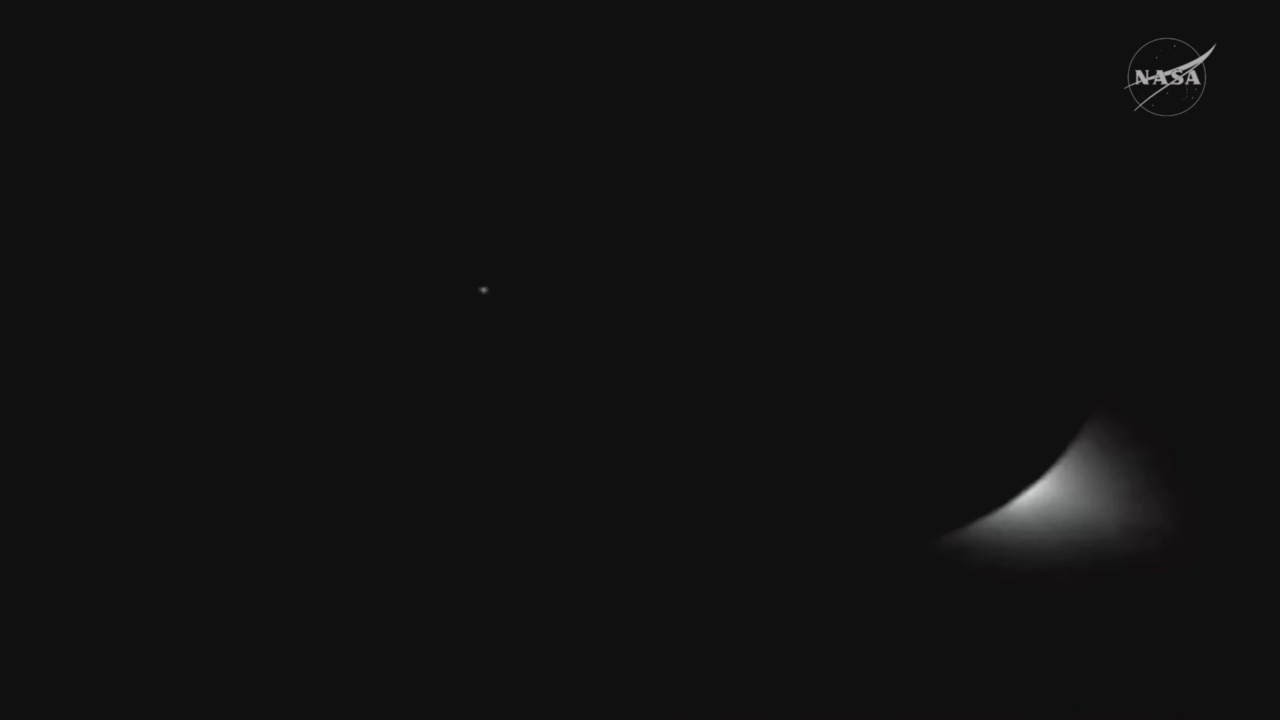
Artemis II: Astronauts describe solar eclipse from space
The Artemis II astronauts described their experience of viewing a solar eclipse from Orion on April 6. The solar eclipse was only visible to the astronauts on the spacecraft and not visible from Earth. The astronauts witnessed the eclipse around 8:30 p.m., describing the visible corona – the sun's outer layer – creating a layer around the moon.
Astronauts describe viewing a solar eclipse from space
"Wow, it's amazing."
That's what Artemis II astronauts said when they described viewing a solar eclipse from Orion on April 6. The solar eclipse was only visible to the astronauts on the spacecraft and not visible from Earth.
The astronauts witnessed the eclipse around 8:30 p.m., describing the visible corona – the sun's outer layer – creating a layer around the moon.
"The Earth is so bright out there. And the moon is just hanging in front of us."
NASA: Artemis II reestablished signal with Orion, as crew begins journey home
The 40-minute communication blackout has ended and NASA has reestablished its connection with the Orion spacecraft.
In the broadcast, a spokesperson for NASA said this also marks Artemis II's days-long mission back home to Earth.
Artemis II has reached its farthest point from Earth: 252,756 miles
How fast is Artemis II moving?
According to NASA, Artemis II has reached its closest point to the moon at 4,067 miles above the moon's surface.
The Orion spacecraft is traveling at 60,083 miles per hour relative to the Earth, and 3,139 miles per hour compared to the moon, NASA said in a late Monday night update.
Artemis II enters 40-minute communication blackout
As expected, Artemis II has entered a communication blackout with Mission Control in Houston. This is because the moon blocks the Deep Space Network signals, temporarily.
NASA said this communication block is expected.
Once Artemis II reemerges from the back of the moon, communication between the Orion spacecraft and Mission Control will be reestablished.
Both Apollo and Artemis I missions experienced similar blackouts, NASA said.
How close will Artemis II get to the moon?
According to NASA, Artemis II's Orion spacecraft will come within 4,070 miles from the moon's surface. Artemis II's astronauts are the first ever to see the far side of the moon with human eyes, and the first to travel behind the moon.
They will also witness a solar eclipse as the Moon passes in front of the sun.
When will Artemis II return to Earth?
Artemis II lifted off from Kennedy Space Center in Florida on April 1, 2026. The crew is expected to splashdown off the coast of San Diego, California on Friday, April 10, around 8:07 p.m.
After splashing down, the team will be flown via helicopter to the USS John P. Murtha. They will then undergo post-flight medical evaluations in the ship's medical bay, before being flown to NASA's Johnson Space Center in Houston, Texas.
‘Carroll’: Artemis II proposes naming crater after Commander Wiseman's wife
It was an emotional moment among the Artemis II crew when the crew revealed the proposed names for two craters on the moon's surface. One was named Intengrity, the name the crew gave the Orion spacecraft, as well as an ode to everyone who has worked on, watched, or supported the mission. The other was named Carroll in an honor to Commander Reid Wiseman's late wife, who died from cancer in 2020.
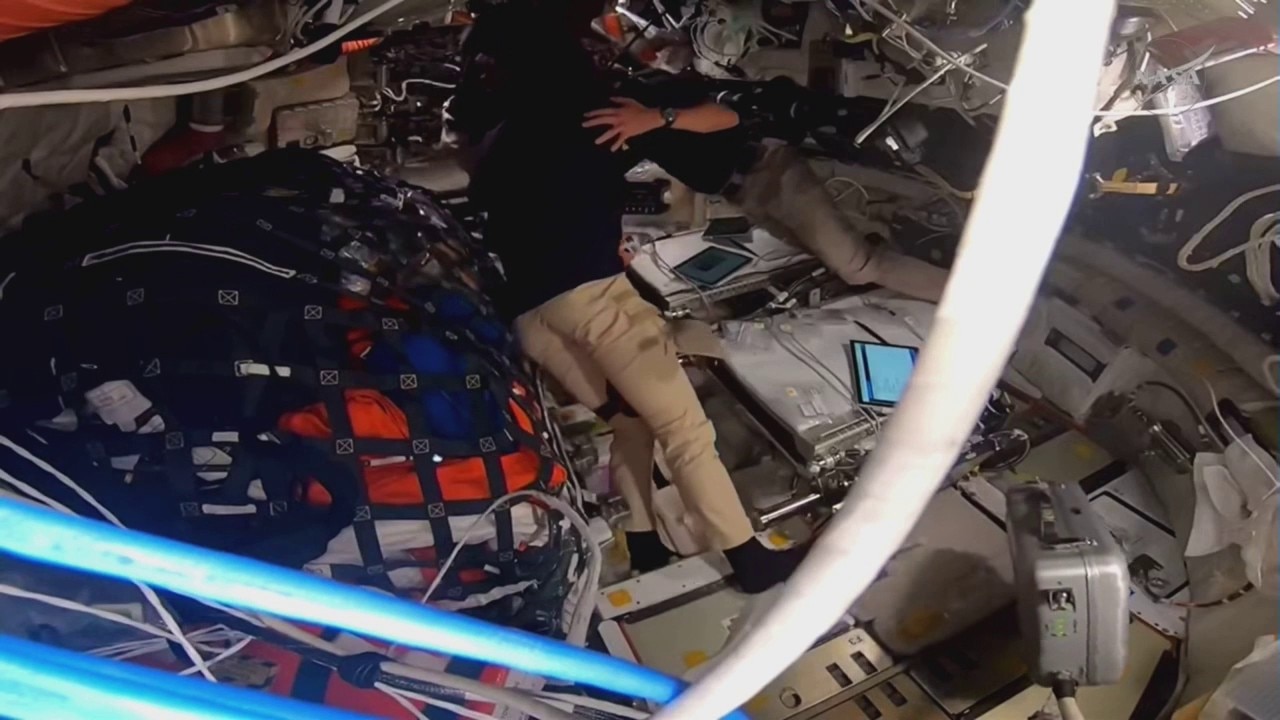
Artemis II: Moon crater named after Commander Reid Wiseman's late wife
The Artemis II named two craters on the moon during their lunar flyby: one named "Integrity" and the other named "Carroll." The one named "Carroll," is after Commander Reid Wiseman's late wife, who died in 2020.
Artemis II mission surpasses Apollo 13 space mission, sets new record
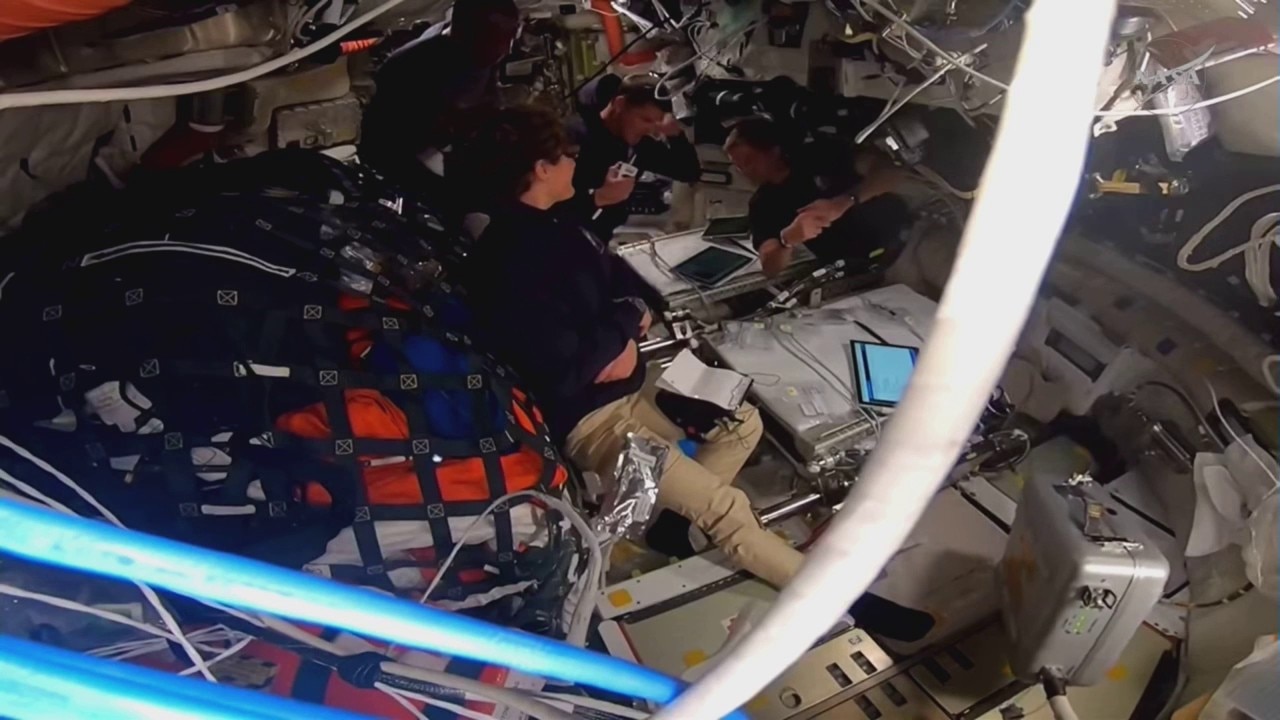
Artemis II breaks Apollo 13 record of space travel from Earth
The Artemis II crew has now traveled farther from Earth than any other human ever on its way to the moon. At 1:57 p.m. on Monday, April 6, Artemis II's astronauts aboard the Orion spacecraft, traveled more than 248,655 miles from Earth, breaking the previous record set by the historic Apollo 13 mission in 1970. The Artemis II crew is expected to reach a maximum distance of 252,752 miles from Earth as it conducts a flyby of the moon – the pivotal part of its 10-day lunar mission.
Timeline: Artemis II lunar flyby
Here is the schedule for Artemis II's lunar flyby. All times are in Eastern Standard Time.
Monday, April 6
- 12:41 a.m.: Orion enters lunar sphere of influence at 41,072 miles from the Moon.
- 1:30 p.m.: The science officer in mission control will brief the crew on their science goals for the upcoming flyby.
- 1:56 p.m.: The Artemis II crew is expected surpass the record previously set by the Apollo 13 crew in 1970 for the farthest humans have ever traveled from Earth.
- 2:45 p.m.: Lunar observations begin.
- 6:44 p.m.: Mission control expects to temporarily lose communication with the crew as the Orion spacecraft passes behind the Moon.
- 6:45 p.m.: During "Earthset," Earth will glide behind the Moon from Orion’s perspective.
- 7:02 p.m.: Orion reaches its closest approach to the Moon at 4,070 miles above the surface.
- 7:07 p.m.: Crew reach their maximum distance from Earth during the mission.
- 7:25 p.m.: "Earthrise" marks Earth coming back into view on the opposite edge of the Moon.
- 7:25 p.m.: NASA’s Mission Control Center should re -acquire communication with the astronauts.
- 8:35-9:32 p.m.: During a solar eclipse, the Sun will pass behind the Moon from the crew’s perspective.
- 9:20 p.m.: Lunar observations conclude.
Tuesday, April 7
1:25 p.m.: Orion exits the lunar sphere of influence at 41,072 miles from the Moon.
Artemis II to break Apollo 13 distance record
During the lunar flyby, Artemis II will break Apollo 13's record of the furthest distance from Earth of any human mission.
Apollo 13 traveled 248,655 miles in April 1970.
Artemis II is expected to reach 252,000 miles around 7 p.m. amid its lunar flyby.
NASA: 40-minute communication blackout
As Artemis II passes behind the moon, NASA's Mission Control and Artemis II are expected to lose communication for about 40 minutes, as the moon blocks radio signals, NASA said.
Artemis I and the Apollo missions experienced similar communication blackouts.
Once Orion emerges on the other side of the moon, the Deep Space Network is expected to reconnect with Orion, Artemis II, and Mission Control.
NASA illustration: Here's how Artemis II gets from Earth to the moon – and back
Artemis II live tracker
NASA has created the Artemis Real-time Orbit Website (AROW), where people can track the Orion spacecraft in real time. Click here to see where the spacecraft and the Artemis II astronauts are.
Watch live: NASA video feed from Orion spacecraft
Here is a live video feed from the Orion spacecraft.
"Viewers will see a blue screen if there is a loss of signal, or if the bandwidth is needed for mission activities. Viewers may see what appears to be a black screen when the vehicle is in darkness."
Timeline: How long does it take to reach the moon?
NASA’s Artemis II mission will orbit Earth for a day, travel to the moon for a flyby beyond its far side, and then return along a free-return trajectory, culminating in Orion’s reentry and a Pacific Ocean splashdown.
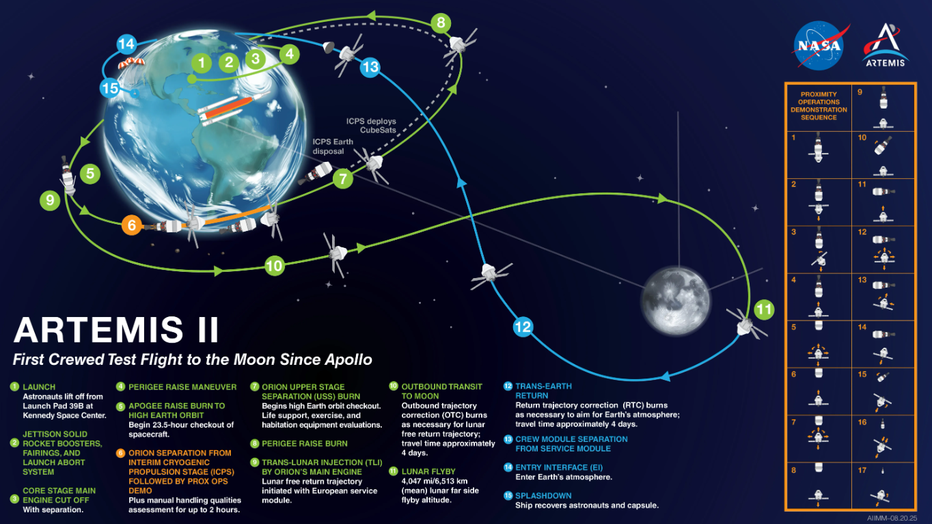
An illustration showing the Artemis II mission. Credit: NASA
- Earth orbit (Day 1): The Artemis II astronauts will orbit Earth for one day to confirm all spacecraft systems are functioning properly.
- To the moon (Days 2–5): Orion’s main engine will fire to propel the capsule out of Earth orbit toward the moon, roughly 244,000 miles (393,000 kilometers) away.
- Moon flyby (Day 6): Orion will reach its farthest point from Earth, passing about 5,000 miles (8,000 kilometers) beyond the moon. Astronauts are expected to document the flyby with cameras and smartphones before heading back to Earth.
- Return (Days 6–9): Using a free-return trajectory, Orion will use the moon’s and Earth’s gravity to guide the spacecraft safely home.
- Reentry: The service module separates, and the capsule re-enters Earth’s atmosphere, facing temperatures up to 3,000°F (1,650°C).
- Splashdown: The Artemis II crew will parachute into the Pacific Ocean, completing the mission much like Apollo astronauts did decades ago.
The Source: The information is from NASA, the Artemis Real-time Orbit Website (AROW), and live feeds from NASA's YouTube channel.