

Aurora recall petitions could test Illinois law on removing elected officials
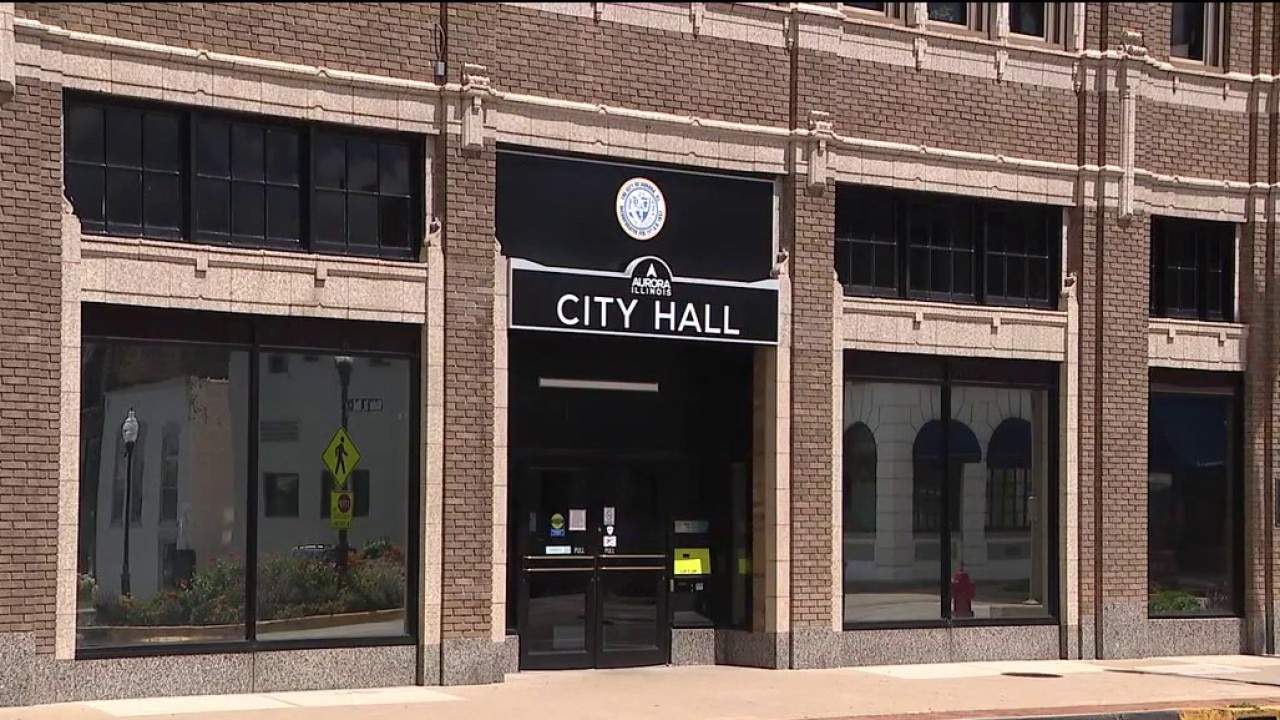
Aurora residents push to add recall questions to November ballot
Some people in Aurora want two questions on the November ballot that could change their elections. They're hoping voters can one day recall a sitting mayor or alderman at large.
AURORA - A petition drive in Aurora could become the next major legal battle over whether Illinois cities have the authority to let voters recall their own elected leaders.
Recall questions to November ballot
The backstory:
Members of Aurora For Change submitted petitions Friday asking the city to place two referendum questions on the November ballot. One would create a process allowing voters to recall a sitting mayor. The other would apply to Aurora's alderman-at-large. If the questions survive the city's petition review process and expected legal challenges, election law experts say the case could help define the limits of home rule authority in Illinois.
"This could go all the way to the Supreme Court," said longtime Illinois election and local government attorney Burton Odelson, who has litigated previous recall cases across the state.
Aurora For Change leaders say the proposal is designed to give voters another way to hold elected officials accountable regardless of political party.
"This is beyond personalities or party," said Adam Pauley, the group's chief proponent and treasurer. "This is about empowering people to be able to hold their leadership accountable."
Director of Operations Danny Souri said the coalition intentionally brings together residents with different political views.
"We are a community. We are people first," Souri said. "Forget parties. Forget all of these identity things that are supposed to make us turn on each other."
The group says it submitted nearly 9,000 signatures combined between the two referendum questions, which they feel is more than enough signatures to get on the November ballot. Despite speculation, the proposal is aimed at Mayor John Laesch. Organizers insist it is intended to apply to future administrations as much as the current one.
"The ultimate goal is to make sure that no matter who ends up in office, they understand one thing," Souri said. "It is we the people that bestow upon them their ability to govern."
"This is not a direct attack on John or any particular alderman-at-large. This is about empowering people," said Pauley.
Organizers also say they hope Aurora becomes the first community to establish a blueprint other Illinois municipalities could follow.
"What we're really hoping to do is create a blueprint for recall mechanisms starting here in Aurora so that other communities can use it as well," Pauley said.
Proposal may face legal battle:
Whether the questions ultimately appear on the November ballot could depend less on politics than on election law. Odelson, who has practiced Illinois election and municipal law for decades, said challengers generally have two ways to attack referendum petitions.
"The first avenue is whether the question is correctly worded," he said. "It must be specific. It must contain one topic."
The second involves the signatures themselves. Election officials can review whether each signer completed the petition correctly, lives at the listed address and is a registered voter. Odelson cautioned that submitting significantly more signatures than required does not guarantee success.
"Many people are not registered anymore and sign petitions even though they're not registered voters," he said.
The larger legal question, however, is whether Aurora can create a local recall process at all.
Illinois law currently provides a mechanism for recalling a governor, but not mayors or other municipal elected officials. Odelson said Aurora's status as a home rule municipality could become the deciding factor.
"The Constitution of the State of Illinois allows home rule communities more authority than state statutes grant," he said. "If the wording is correct and they have enough signatures, then it will go on the ballot."
He also pointed to a previous recall case involving Dolton, where a recall election was later invalidated after the appellate court ruled the referendum language failed to comply with state law.
"I see this one being an all-out battle," Odelson said. "It could go all the way up through the appellate court and maybe to the Supreme Court."
Mayor John Laesch sharply disagrees with the proposal, arguing it would allow a relatively small group of voters to overturn the outcome of an election.
"It's intensely undemocratic," Laesch said. "Their proposal via referendum says that 20% of the people who voted in the last election can circulate a petition and override the will of the 53% of people who put me in as mayor."
Laesch also rejected organizers' assertion that the effort is not directed at him.
"It's nothing more than political drama and theater that is taking away from doing the city's business," he said.
The mayor argues Illinois already has legal procedures to remove elected officials who become ineligible to hold office or violate the law, making a recall process unnecessary. Laesch also questioned whether enough valid signatures were submitted for the mayoral referendum, saying city officials are reviewing the petitions and that objections could reduce the total below the legal threshold.
Organizers dispute that assessment and say they are confident enough valid signatures will survive any challenge.
What's next:
Anyone who wants to challenge the signatures has to submit an objection by Monday, August 10th at 5:00 p.m. at the city clerk's office in Aurora.
If there are objections, the Electoral Board will convene. The timing of that ruling will likely depend on when the objections are filed.
The Source: The information in this article was reported by FOX Chicago's Bret Buganski.