

Chicago alders fail to override mayor's veto on tipped wage ordinance
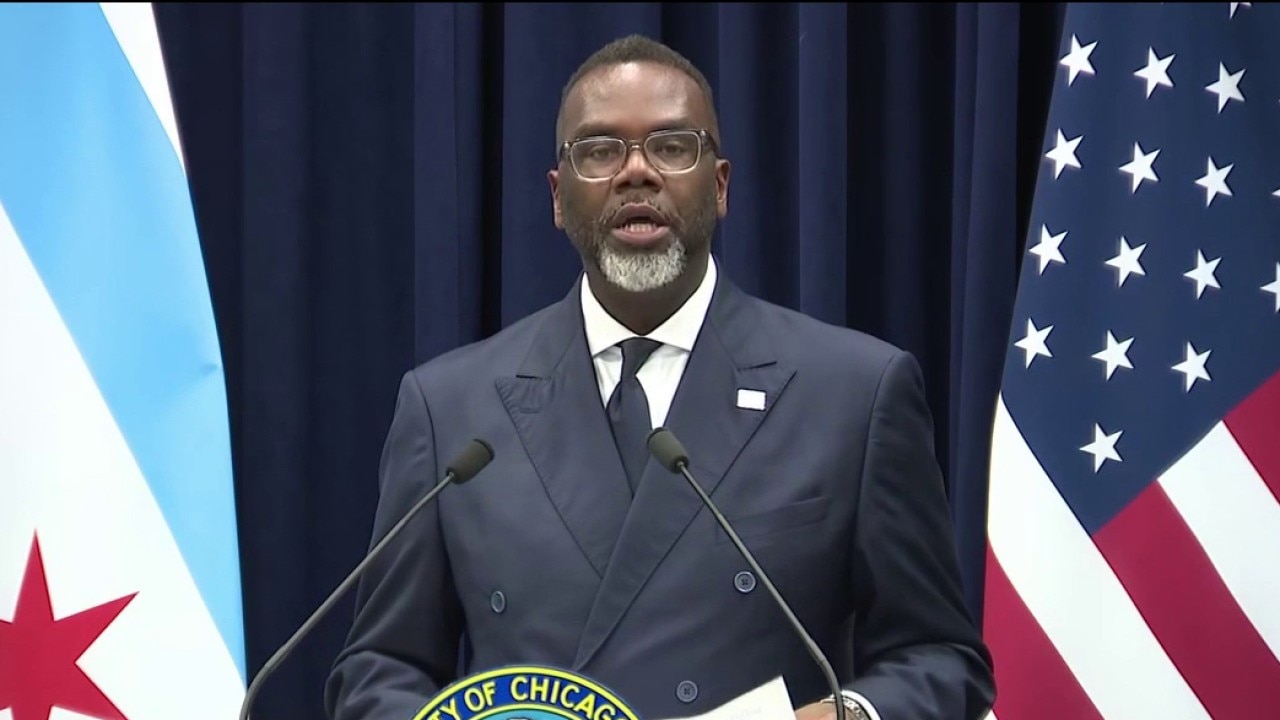
Chicago mayor wins tipped minimum wage fight
Chicago aldermen failed Wednesday to override Mayor Brandon Johnson’s veto, clearing the way for tipped workers’ wages to continue rising toward the city’s full minimum wage.
CHICAGO - Chicago aldermen failed Wednesday to override Mayor Brandon Johnson’s veto, clearing the way for tipped workers’ wages to continue rising toward the city’s full minimum wage.
The City Council did not reach the 34 votes needed to overturn Johnson’s veto last month of a measure that would have halted the phaseout of the subminimum wage for tipped workers.
That means the current ordinance remains in place, gradually increasing tipped workers’ base pay until it matches Chicago’s standard minimum wage of $16.60 per hour by July 1, 2028.
As of this year, tipped workers earned about 76% of the minimum wage — roughly $12.62 an hour — up from 60% when the phaseout plan was approved in 2023.
The backstory:
On March 18, a majority of aldermen voted to keep the subminimum wage in place, reversing the previously approved phaseout.
Johnson vetoed that measure days later, saying efforts to stop the wage increase go against working people.
"The way I see it is, that they are opposing working people in Chicago, right?" Johnson said. He called the push to halt the increase "tone-deaf and short sighted," and "immoral."
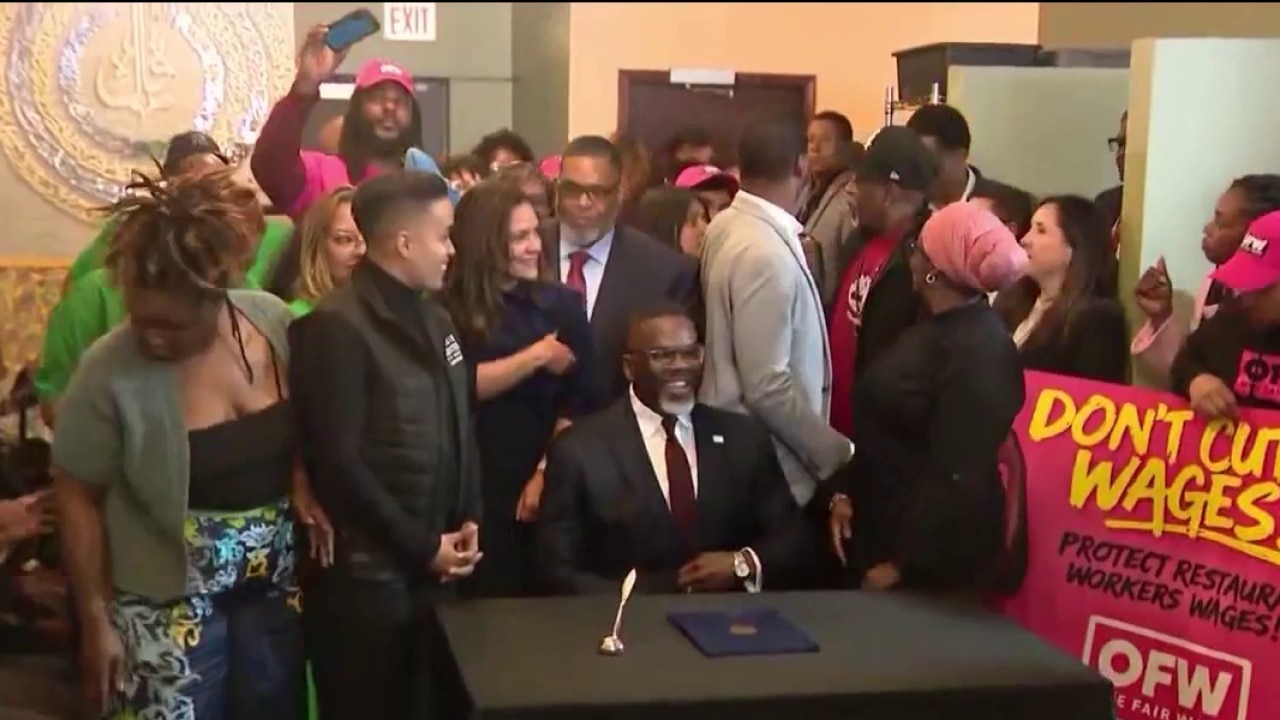
Chicago mayor vetoes effort to keep subminimum wage for tipped workers
Mayor Brandon Johnson on Wednesday vetoed a City Council measure to reverse the phasing out of the subminimum wage for tipped workers.
Supporters of the phaseout, including the Raise the Floor Alliance, say reversing course would undermine agreements between labor and business groups.
The mayor’s office has also said tipped workers are disproportionately women, Black and Latino, and would benefit from higher base wages.
The other side:
Restaurant and bar owners have pushed back, arguing that increasing the subminimum wage was hurting their bottom lines and forcing them to raise prices and reduce hours for their workers to accommodate the added costs.
Sam Toia, president of the Illinois Restaurant Association, said no tipped workers actually make less than the minimum wage by law. If a tipped worker does not make enough in tips to make the city’s hourly minimum wage, their employer is required to make up the difference.
Toia also previously said if Mayor Johnson were to veto the City Council’s change to the ordinance, which he did, that would result in "less jobs and less opportunities" for businesses in Chicago.
Rebekah Paxton, the research director at the Employment Policies Institute, a Virginia-based nonprofit that studies public policy issues, argued that Johnson's veto ignores economic data that shows eliminating the tip credit actually hurts wages and leads to restaurant closures and layoffs.
"Mayor Johnson is doubling down on a policy that has been shown to backfire on workers and the local restaurants that they work for. Economic data in Chicago already shows this is hurting the city's restaurant industry less than two years in. It's time for the city to stand with local workers and businesses and scrap this disastrous policy," Paxton said in a statement.
The Source: The information in this story came from the Chicago City Council and previous FOX Chicago reporting.