

As kratom use surges, Illinois debates how to regulate the product
Kratom use grows as Illinois lawmakers consider regulation
In recent years, the plant-based substance Kratom has surged in popularity across the U.S. It's raising questions about safety, regulation, and how it should be treated under the law. Kasey Chronis explores what it is, and the growing legal debate.
CHICAGO - In recent years, kratom — a plant-based substance — has surged in popularity across the U.S., raising questions about safety, regulation, and how it should be treated under the law.
While some states have imposed bans on the possession, sale, or use of the product, the lines remain blurred in Illinois.
The backstory:
Derived from the leaves of a tropical tree native to Southeast Asia, kratom has been used there for centuries.
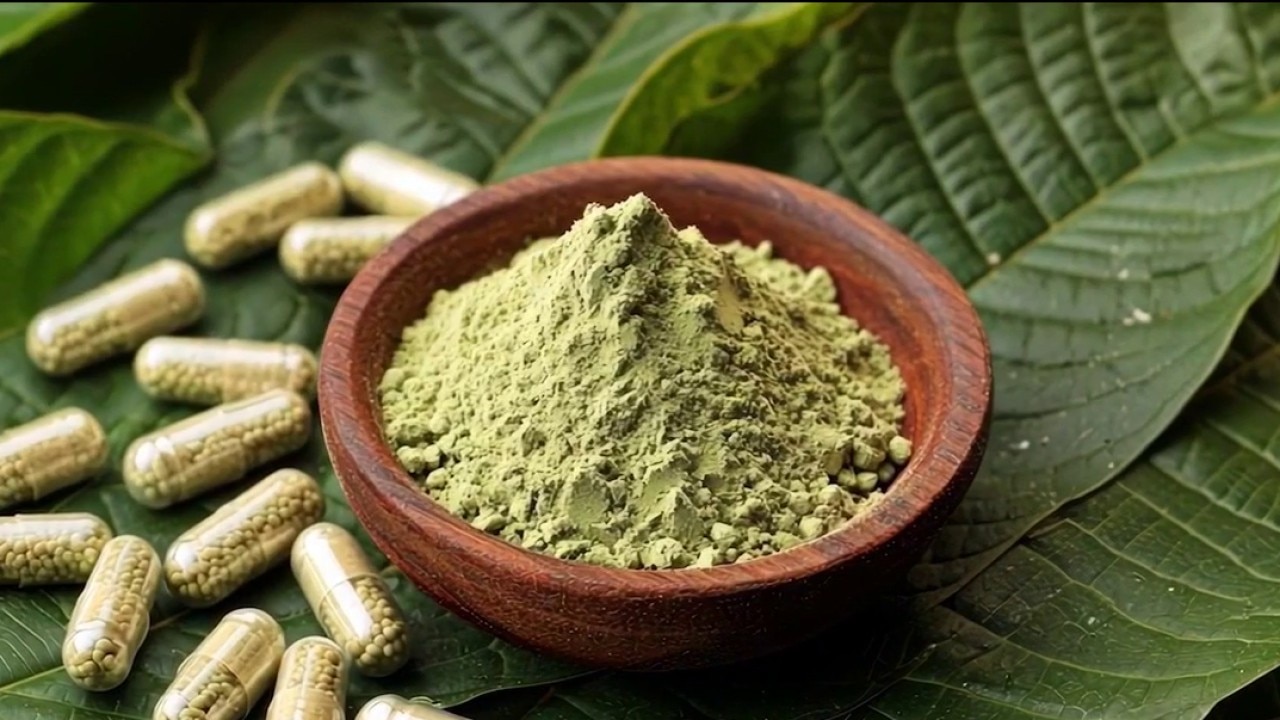
Sold in the form of powder, pills, edibles, or extracts, proponents say kratom can ease pain, boost energy, and help manage opioid withdrawal symptoms.
"Most of the products have those effects of stress relief, anxiety relief, and pain relief," said Craig Katz, government relations & compliance manager for CBD Kratom.
But some doctors warn that it also carries the risk of addiction.
The U.S. Food and Drug Administration (FDA) "has warned consumers not to use kratom because of the risk of serious adverse events, including liver toxicity, seizures, and substance use disorder (SUD)." The agency also notes that in rare cases, deaths have been associated with kratom use.
"It does have an opioid effect, so it impacts the same receptors," said Dr. Maria Rahmandar, medical director of the Substance Use & Prevention Program at Ann & Robert H. Lurie Children’s Hospital of Chicago. "I think it's really tricky because, right, this is not a regulated substance."
The debate:
Several states have banned kratom, including Indiana and Wisconsin.
In Illinois, cities can enact their own bans, but some retailers and industry groups say stronger regulation — not an outright ban — is the safer path.
"That would include 21+ age gating, effective labeling, independent third-party testing, and appropriate packaging that is not child attractive and is child resistant," Katz said.
At the state level, under the Illinois Kratom Control Act, kratom is off-limits to anyone under 18, but Rahmandar says that’s not stopping young people from getting it.
"I think that we are really underestimating how many youth are using it because there isn't a really standardized way to ask about it," Rahmandar said.
She says many people don’t realize that combining kratom with other substances can be highly unpredictable.
"We just don't know what's in these products. They can have contaminants; they can have other things in them. And then a lot of youth are mixing them with other substances, too," Rahmandar added.
Officials with the Illinois Department of Public Health say kratom has appeared in dozens of overdose deaths in recent years, though in more than 90 percent of those cases, other substances were also present.
Legislation in Illinois:
Several pieces of legislation aimed at limiting access to kratom were introduced in Illinois last year.
"I was actually contacted by a constituent whose husband had an overdose and died from the substance," said State Rep. Patrick Windhorst, R-117th District. "It's widely available. It's gas stations, convenience stores – some stores even put on their window, ‘kratom available,’ and the concern is that it will fall into the hands of people who will either abuse it or are maybe too young to consume it."
Downstate lawmakers, State Rep. Windhorst and State Rep. Bill Hauter, who is also a physician, are behind House Bill 3129, which aims to make kratom a Schedule III controlled substance — a classification that would heavily restrict its distribution.
"I don't think the kratom industry wants it totally banned, and so they're willing to come to the table and to see if they can get some regulations in place. So we'll see. I think that we may have a possibility of doing that because it is a bipartisan issue," Hauter said.
That’s why Hauter has also signed onto House Bill 1303, which would impose sweeping regulations, including:
- Ban the product for anyone under 21;
- Impose a 5 percent tax on retail sales of kratom products;
- Violators could face fines up to $20,000.
State Rep. La Shawn Ford is co-sponsoring the bill.
"This is a traditional market of kratom being sold on the streets, it's not tested, it is not regulated, and it's not taxed, and that's dangerous," said Ford.
Industry calls for regulation:
Companies like CBD Kratom say they are for regulation, telling FOX Chicago that synthetic products paint natural leaf products, like theirs, in a bad light.
"Kratom, in its natural form, has a very tiny percentage of 7-OH in it," Katz said. "However, there have been people who've learned how to take that extracted from the plant, go into a laboratory, and create a much more powerful and addictive product."
Along with his role at CBD Kratom — which he says only sells natural leaf products — Katz is also the president of the Illinois Healthy Alternatives Association.
"The industry as a whole, the kratom industry, the good actors in the industry, which is the vast majority of people, want regulation because we want the bad products off the shelf," Katz explained.
Similar to regulating cannabis, Ford says the process to regulate kratom could take months or even years.
"You're not going to get rid of the drug kratom. We need to do everything that we can to test it for its safety, label it so that people know what they're getting, and make sure that we bring in revenue for the state," said Ford. "We have to figure out how we could collaborate to do what's best for the people of Illinois."
What's next:
Illinois lawmakers still have time to revisit kratom legislation before the spring session ends on May 31. Whether the state moves to regulate it — or restricts it further — remains an open question.
The Source: The information in this article was reported by FOX Chicago's Kasey Chronis.