

Chicago woman shot by immigration agent sues DHS, releases video of shooting
Chicago woman shot by immigration agent sues DHS, releases video of shooting
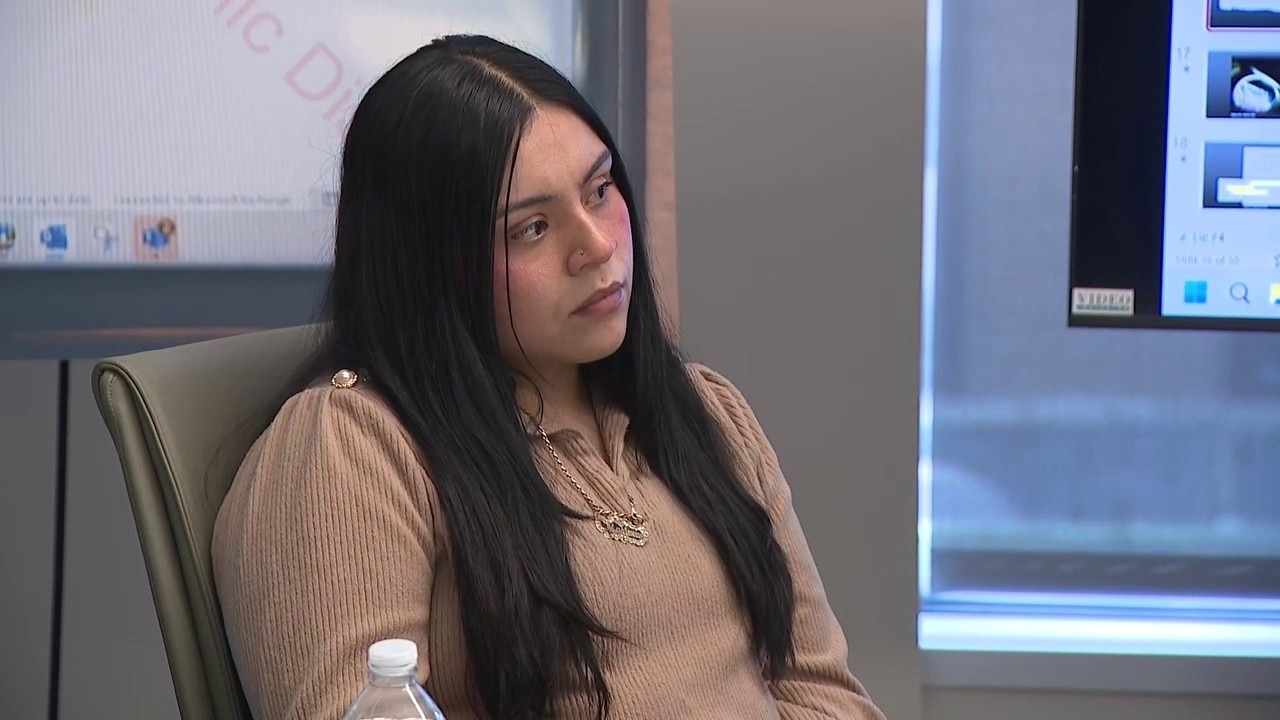
Marimar Martinez, the woman who was shot by a U.S. Customs and Border Protection agent last October in Chicago, is accusing the federal government of smearing her during a failed prosecution in a new lawsuit.
CHICAGO - Marimar Martinez, the woman who was shot by a U.S. Customs and Border Protection agent last October in Chicago, filed a federal complaint Wednesday seeking tens of millions in damage.
It's the first step toward a lawsuit against the Department of Homeland Security over the shooting.
Her lawyers are also releasing evidence related to the Oct. 4 shooting, which they argue will rebut the Trump administration’s "false narratives" describing Martinez as a domestic terrorist.
The backstory:
Chicago woman shot by immigration agent sues DHS | FULL REMARKS
Marimar Martinez, the woman who was shot by a U.S. Customs and Border Protection agent last October in Chicago, is accusing the federal government of smearing her during a failed prosecution in a new lawsuit.
The shooting happened after Martinez noticed federal immigration agents in an SUV in her neighborhood on Chicago’s Southwest Side and began following them. Her lawyers said she honked her horn to alert community members about the agents’ presence and was driving alongside them when the SUV allegedly deliberately swerved into Martinez’s car.
After both cars came to a stop, the CBP agent, Charles Exum, got out of the SUV and fired five shots at Martinez, hitting her multiple times in her right leg and right forearm.
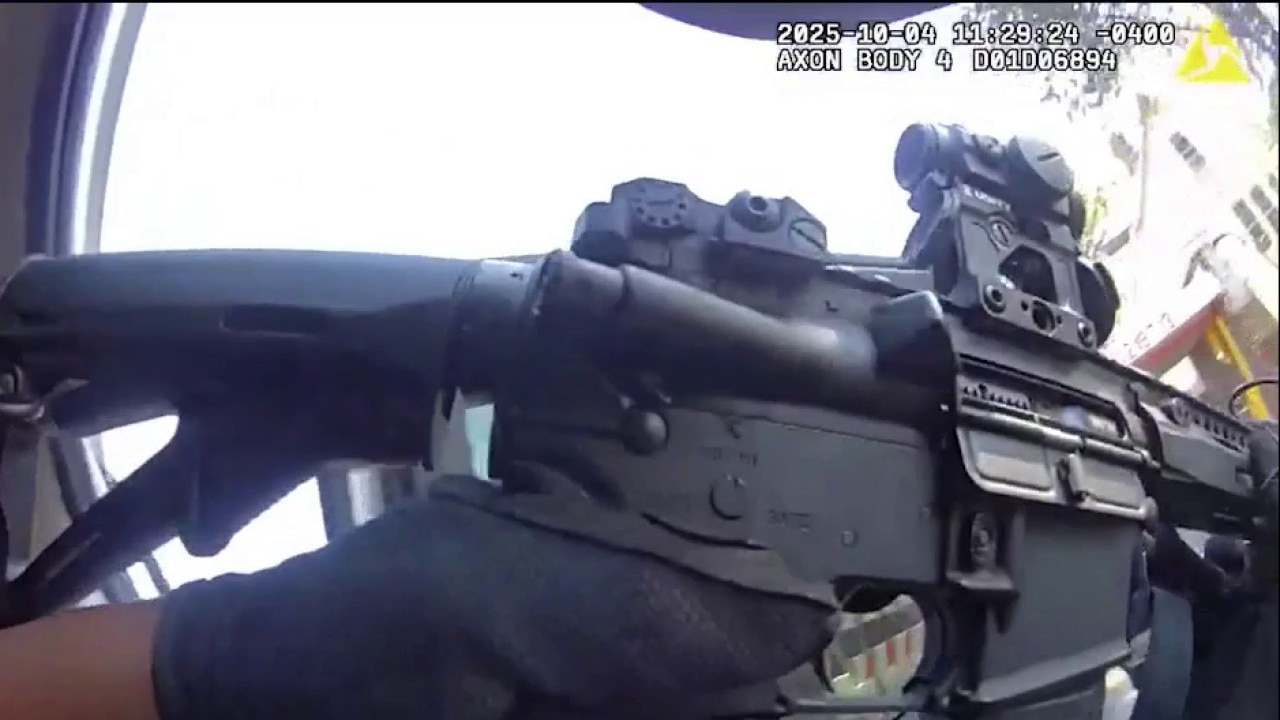
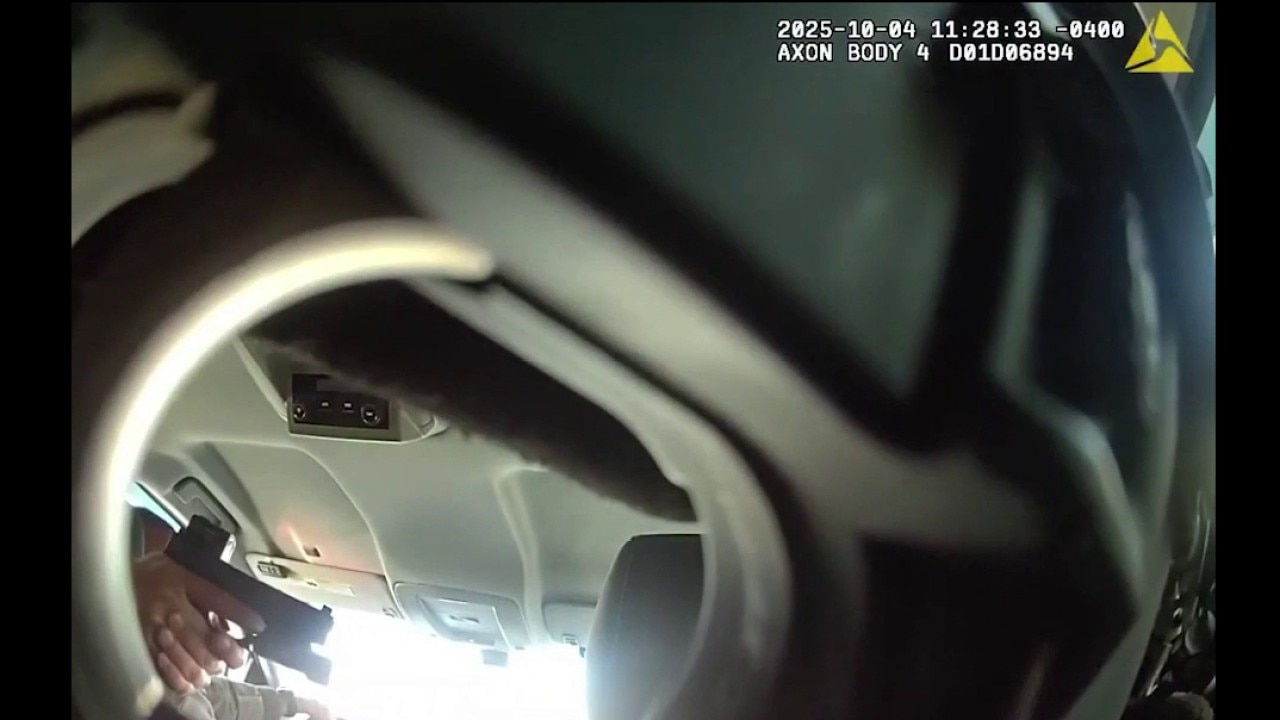
The Department of Homeland Security initially claimed Martinez used her car to ram the agents. But bodycam video released Tuesday contradicts that account. Agent Exum told the FBI all five shots went through the windshield, but ballistics show three hit the passenger side and one came through the back.
New video of Border Patrol shooting in Chicago released
New evidence, including body camera footage, related to the shooting of a Chicago woman by a Border Patrol agent during last year's Operation Midway Blitz was released.
Martinez drove away from the shooting scene for over a mile before stopping in a car repair shop parking lot to call 911. She was taken to a hospital and treated for her injuries.
The next day, on Oct. 5, Martinez was federally charged with assaulting, resisting, opposing, impeding, intimidating, and interfering with a federal officer.
But a little over a month later, the charges against Martinez were dropped. Martinez’s lawyers said that came after they obtained evidence that "fully absolved" her of any wrongdoing.
What the evidence shows:
Despite the charges being dropped, Martinez’s lawyers said Trump administration officials have continued to smear her as a domestic terrorist, including FBI Director Kash Patel, DHS Sec. Kristi Noem, and Assistant Sec. for Public Affairs Tricia McLaughlin.
Text messages released show other agents calling Exum a "legend" and offering to buy him beers. Four hours after the shooting, while Martinez was in the hospital, Border Patrol Commander Gregory Bovino emailed Exum praising his "excellent service."
The evidence related to the shooting had been under seal until Tuesday, when a federal judge allowed Martinez and her lawyers to release much of the evidence they obtained.
What's next:
DHS has six months to respond to the complaint. If they don’t, Martinez can move forward with a full lawsuit. Agent Exum is still with Border Patrol.