

New SNAP requirements now in effect, USDA planning major overhaul of program
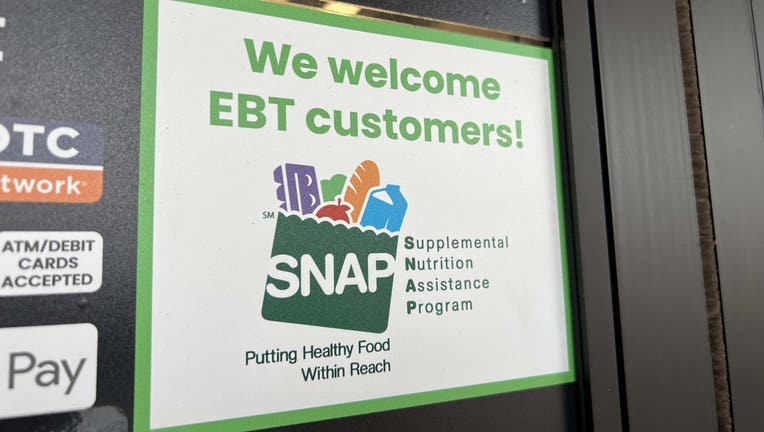
FILE - Sign at supermarket entrance with text reading We Welcome EBT customers and a SNAP logo in Lafayette, California, November 13, 2025. (Photo by Smith Collection/Gado/Getty Images)
Around 42 million low-income Americans rely on the Supplemental Nutritional Assistance Program, known as SNAP or food stamps, to buy groceries. The U.S. Department of Agriculture (USDA) Food and Nutrition Service (FNS) oversees the program and says it is working on a major overhaul to root out waste, fraud, and abuse.
By the numbers:
During the federal government shutdown, the SNAP program came under scrutiny when funding came close to running out. The USDA says in the accounting year that ended on Sept. 30, 2024, SNAP cost just over $100 billion, providing an average of $190.59 a month per person to over 42 million people. The average monthly benefit per household is $356.21 according to data from the USDA.
Dig deeper:
The federal government funds SNAP and sends the money to the states, which administer applications and determine eligibility based on federal guidelines. Benefits are loaded on prepaid cards through the Electronic Benefit Transfer (EBT) system and beneficiaries use the cards at stores to pay for their groceries.
Last month, citing data from 29 states that complied with the USDA's request for information, Agriculture Secretary Brooke Rollins said 186,000 deceased men and women and children are receiving SNAP benefits and there are 356,000 duplicate enrollments.
The USDA has since pledged to root out fraud within the program and is requiring participants to reapply for benefits.
New SNAP requirements take effect for recipients
The Trump administration’s new requirements for the SNAP program went into effect Dec. 1, with the aim of reforming the costly system.
President Donald Trump’s One Big Beautiful Bill Act raised the age limit from 54 to 64 for people who must work, train or volunteer at least 80 hours per month in "qualifying" activities to receive assistance from SNAP. The new rules apply to people just joining the program or current recipients at their next recertification.
The Congressional Budget Office says its projections show the new work requirements will reduce the average monthly number of SNAP recipients by about 2.4 million over the next 10 years.
The Trump administration has claimed that costs for the benefits have grown out of control due to the growing reliance on the program and fraud within the system.
The backstory:
The Food Stamp Program (FSP) was introduced in the 1930s during the Great Depression, and the first recipient was Mabel McFiggin of Rochester, New York on May 16, 1939. Congress made the FSP permanent with the Food Stamp Act of 1964.
Over the years, the program saw several changes and in the late 1980s, the Electronic Benefit Transfer (EBT) system was introduced, allowing recipients to electronically pay for purchases. The first EBT pilot began in Reading, Pennsylvania, in 1984.
The 2008 Farm Bill increased the federal government's commitment to food assistance and changed the name of the program to the Supplemental Nutrition Assistance Program or SNAP.
The Source: Information in this article was taken from the U.S. Department of Agriculture (USDA), FOX News, and previous FOX Television Stations reporting. This story was reported from Orlando.