

11-year-old boy dies of rabies after bat landed on his face
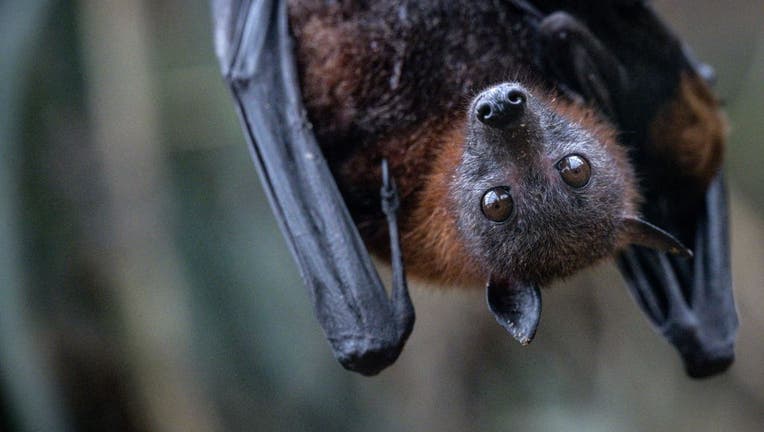
A Lyle's flying fox (Pteropus lylei) hands upside down in an enclosure at the Biotropica Zoological Park in Val-de-Reuil, north-western France on February 19, 2025. (Photo by LOU BENOIST / AFP) (Photo by LOU BENOIST/AFP via Getty Images)
A Canadian medical journal is highlighting the tragic death of an 11-year-old Ontario boy from rabies, warning that even brief direct contact with a bat can require lifesaving preventive treatment.
The backstory:
The incident, which happened in 2024 but recently published in the Canadian Medical Association Journal (CMAJ), describes how the previously healthy child developed rabies weeks after waking to find a bat resting on his nose and mouth during a family trip to a cottage in northern Ontario.
Because there were no visible bite marks, his family did not seek medical care at the time.
About three weeks later, the boy developed facial numbness, difficulty swallowing and other neurological symptoms.
RELATED: Woman escapes grizzly bear after terrifying encounter while walking her dog
He was initially treated for Bell palsy and later herpes gingivostomatitis before doctors recognized the signs of rabies.
Despite intensive care, he died 17 days after being admitted to the hospital.

What is rabies?
Rabies is a preventable viral disease most often transmitted through the bite of a rabid animal.
What they're saying:
"This patient’s was the first case of locally acquired rabies reported in Ontario since 1967," the authors wrote, noting that human rabies remains extremely rare in Canada.
Since 1924, only 28 human cases have been reported nationwide.
RELATED: Dead, pregnant endangered fin whale found on bow of Alaska cruise ship
Why you should care:
The physicians said the case underscores the importance of seeking immediate medical attention after any direct contact with a bat, even if no bite or scratch is visible.
"Any direct human contact with a bat, even in the absence of a visible bite or scratch, is an indication for" rabies post-exposure prophylaxis, the authors wrote. They noted that treatment is highly effective when given promptly after exposure.

Woman dies from rabies after rescuing puppy
FROM THE ARCHIVES: A Norwegian woman who rescued a puppy while on vacation in the Philippines died from rabies, according to her family.
Dig deeper:
Rabies is a viral disease that attacks the nervous system and is almost always fatal once symptoms develop. In North America, bats account for most human rabies infections because their bites and scratches can be so small they go unnoticed, according to the CMAJ report.
The authors said the case also highlights a gap in public awareness, as many people mistakenly believe treatment is unnecessary if there is no obvious bite.
"Early recognition of exposure and timely PEP remain the only effective means of rabies prevention," they wrote.
What's next:
The report urges clinicians to ask patients with unexplained progressive neurological symptoms about recent contact with bats or other potentially rabid animals and reminds the public to consult health officials immediately after any direct bat exposure.
The Source: This story is based on a peer-reviewed case report published in the Canadian Medical Association Journal (CMAJ), which details the diagnosis, treatment and death of an 11-year-old Ontario boy who contracted rabies after direct contact with a bat. This story was reported from Los Angeles.