

Riverdale homeowner shocked by $17K property tax bill: 'We may have to move'
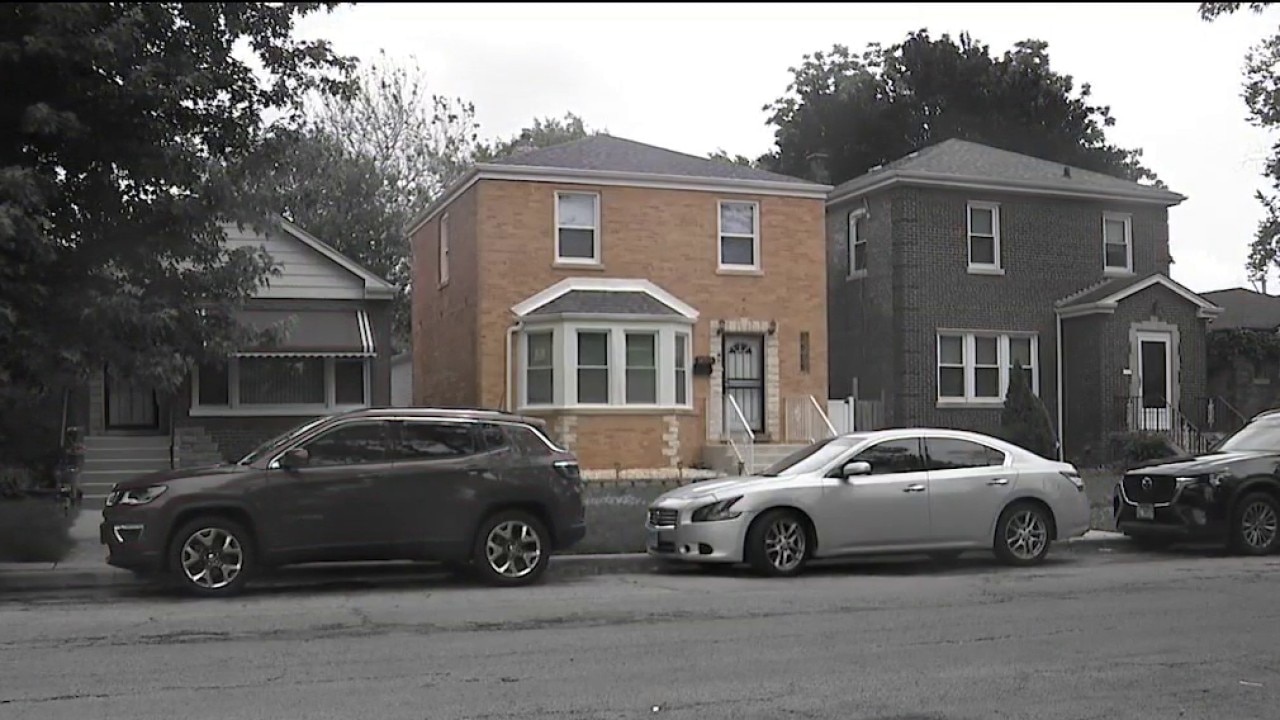
Riverdale homeowner shocked by $17K property tax bill: 'We may have to move'
Tatiana Squire, a first-time homeowner in Riverdale, was shocked when her annual property tax bill jumped to nearly $17,000 after a reassessment of her renovated $207,000 home.
RIVERDALE - When Tatiana Squire purchased a renovated home on Clark Street last year, she believed she was achieving a milestone that would change her family's future.
Except for her grandmother, Squire is the first person in her family to become a homeowner. She bought the three-bedroom, two-bath home hoping to provide stability for her two young sons and a quieter life outside Chicago.
"I was excited about it. I worked hard for it," Squire said. "I wanted to get my kids out of the city. Not saying Riverdale is perfect, but it's a peace of mind. My kids can play out front."
That excitement turned to shock earlier this year when she received a notice from the Cook County Assessor's Office showing a dramatic increase in her property's assessed value.
The backstory:
"In February, I received a letter in the mail," Squire said. "The taxes went up ... almost $2,000 more a month."
The reassessment pushed her annual property tax bill to nearly $17,000 on a home she purchased for $207,000.
"I can't afford this," she said. "Do I live on lakefront property? Do I live in Naperville somewhere?"
The home had sat vacant for years before being rehabilitated and sold. For Squire, it represented more than a real estate transaction.
"It was our home," she said. "My kids are happy here."
Now she worries she may be forced to move.
"I feel like I failed them because we may have to move," she said.
Concerned by the size of the tax bill, Squire's real estate agent, Ronald Toussaint, reviewed dozens of property records in Riverdale.
"I've pulled tax bills on 45 properties that closed before and after hers," Toussaint said. "She has the highest taxes assessed of all of them in Riverdale."
Toussaint questioned whether the property's valuation was consistent with similar homes in the area.
"No one goes to Riverdale expecting to pay $4,000 a month on a mortgage," he said.
The Cook County Assessor's Office says the situation reflects a broader issue facing homeowners in communities with high tax rates and rising property values.
In a statement, the office said it is "not acceptable for a homeowner to be forced to pay $13,000 in property taxes on a $200,000 property."
Dig deeper:
Officials explained that the property returned to the tax rolls in 2024 after selling for $207,000 and undergoing substantial renovations. Under Illinois law, assessors are required to determine a property's fair market value.
According to the Assessor's Office, analysts reviewed multiple recently renovated homes in the area before establishing the assessment. Comparable properties sold for between $215,000 and $244,000 in recent years, including homes located on the same street and within blocks of Squire's residence.
The office also noted that many neighboring properties have not yet been reassessed and continue to be taxed based on older valuations. Those properties are expected to see assessment increases during Riverdale's next reassessment cycle.
While the Assessor's Office determines property values, officials emphasized that it does not set local tax levies or tax rates.
The larger issue, officials said, is Riverdale's property tax rate.
According to the Assessor's Office, Riverdale's effective property tax rate was approximately 27 percent in Tax Year 2024, making it one of the highest rates in Cook County and the nation. For comparison, Chicago's effective property tax rate is closer to 6 percent.
The office says homeowner exemptions could reduce Squire's tax bill from roughly $17,000 to approximately $13,000. Even with those reductions, officials acknowledged the burden remains significant and said they support legislation aimed at providing broader property tax relief for homeowners.
Much of a homeowner's tax bill in Riverdale goes toward funding local government services and public education, including District 148 and Thornton Township High School District 205.
However, both districts perform below Illinois state averages in reading and math proficiency on standardized exams.
That has left some residents asking a difficult question: If homeowners are paying some of the highest property tax rates in the region, where is the money going?
For Squire, the debate is more than policy. It's personal.
She says she worked hard to achieve the dream of homeownership and worries that rising taxes could put that dream out of reach.
What's next:
As reassessments continue and property values rise across parts of south suburban Cook County, her story highlights the growing tension between increasing home values, high tax rates and housing affordability for working families.
The Source: The information in this article was reported by FOX Chicago's Tia Ewing.