

Artemis II Q&A: NASA answers 'most pressing' questions ahead of lunar fly-by
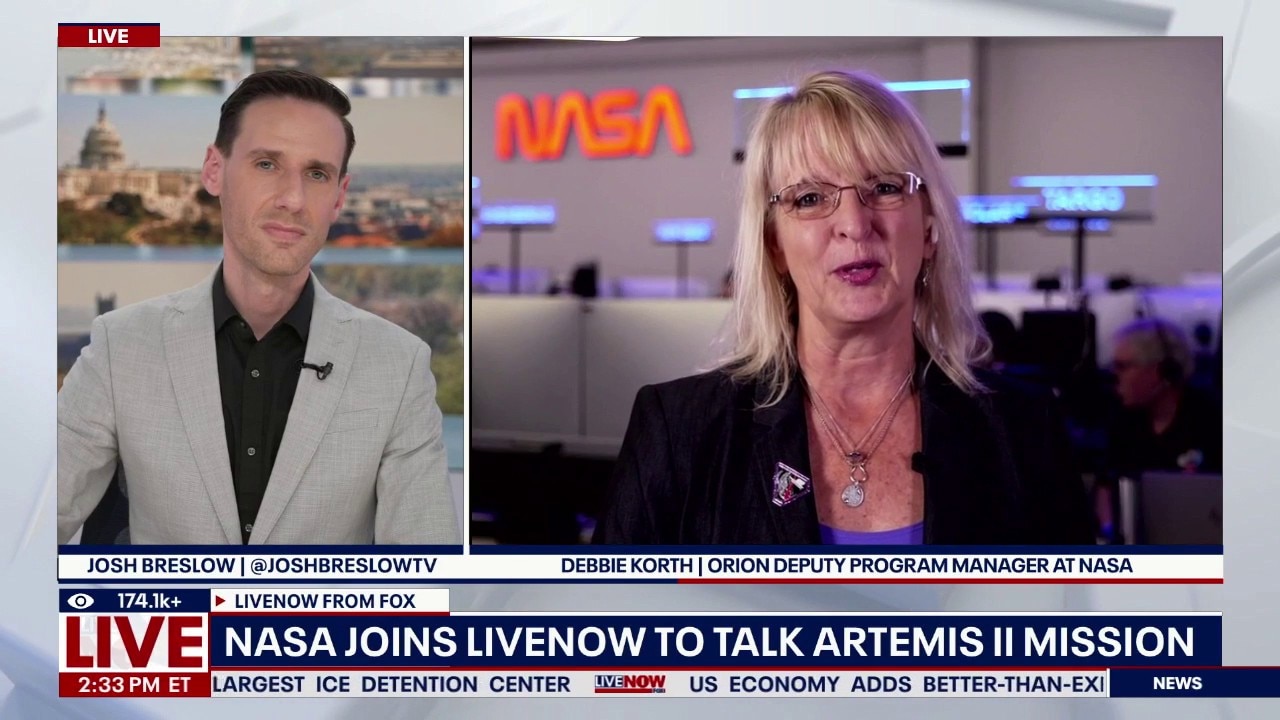
Day 4: NASA officials give update on Artemis II
Saturday marks day 4 of 10 for the Artemis II mission, as the crew moves closer the moon. Debbie Korth, the Orion Deputy Program Manager at NASA's Johnson Space Center joined LiveNOW's Josh Breslow to discuss the latest on Artemis II.
NASA has launched a comprehensive Q&A page for its Artemis II mission as astronauts prepare for a six-hour lunar flyby Monday.
Four astronauts – Commander Reid Wiseman, Pilot Victor Glover, and mission specialists Christina Koch and Jeremy Handen — are currently aboard the Orion spacecraft flying more than 4,000 miles to the moon. They launched Thursday night from Florida for a 10-day mission. They’re expected to splash down off the coast of San Diego on April 10.
You can track their mission’s progress in real time here.
RELATED: Artemis II live tracker: Follow NASA's mission to the moon
The three Americans and one Canadian will swing around the moon in their Orion capsule, hang a U-turn and then head straight back home without stopping. The astronauts are also chasing after Apollo 13's distance record from Earth.

View of Earth from the Orion spacecraft (NASA)
Their roughly six-hour lunar flyby Monday promises views of the moon’s far side that were too dark or too difficult to see by the 24 Apollo astronauts who preceded them. A total solar eclipse also awaits them as the moon blocks the sun (It won’t be visible from Earth).
It’s the first crew of lunar travelers since Apollo 17 in 1972.
What’s the mission?
Big picture view:
While aboard Orion, the astronauts will perform "a series of planned tests to evaluate systems, procedures and performance in deep space," according to NASA.
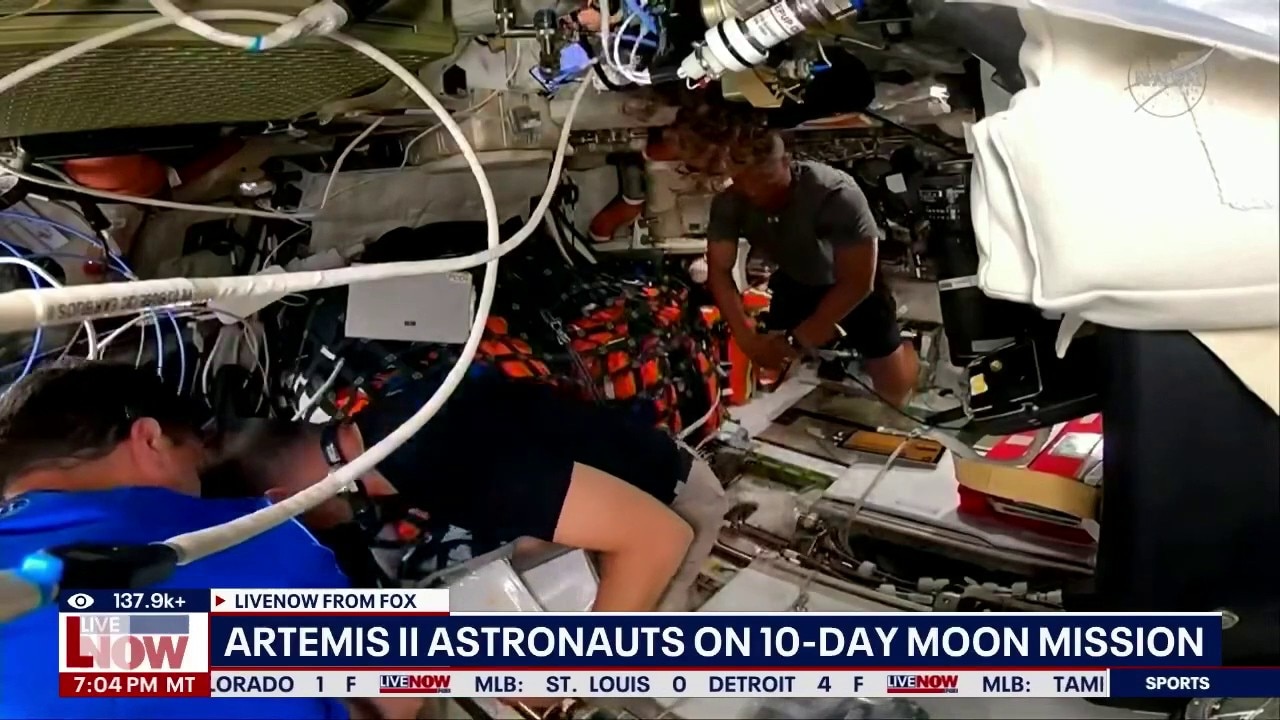
What will be biggest accomplishment from Artemis II?
Artemis II is the first crewed mission to the moon in over 50 years. LiveNOW’s Austin Westfall asked astronomy professor Ken Gayley about the moon mission, specifically what it’s biggest accomplishment will be.
What they're saying:
"We’ll get eyes on the moon, kind of map it out and then continue to go back in force," said flight director Judd Frieling.
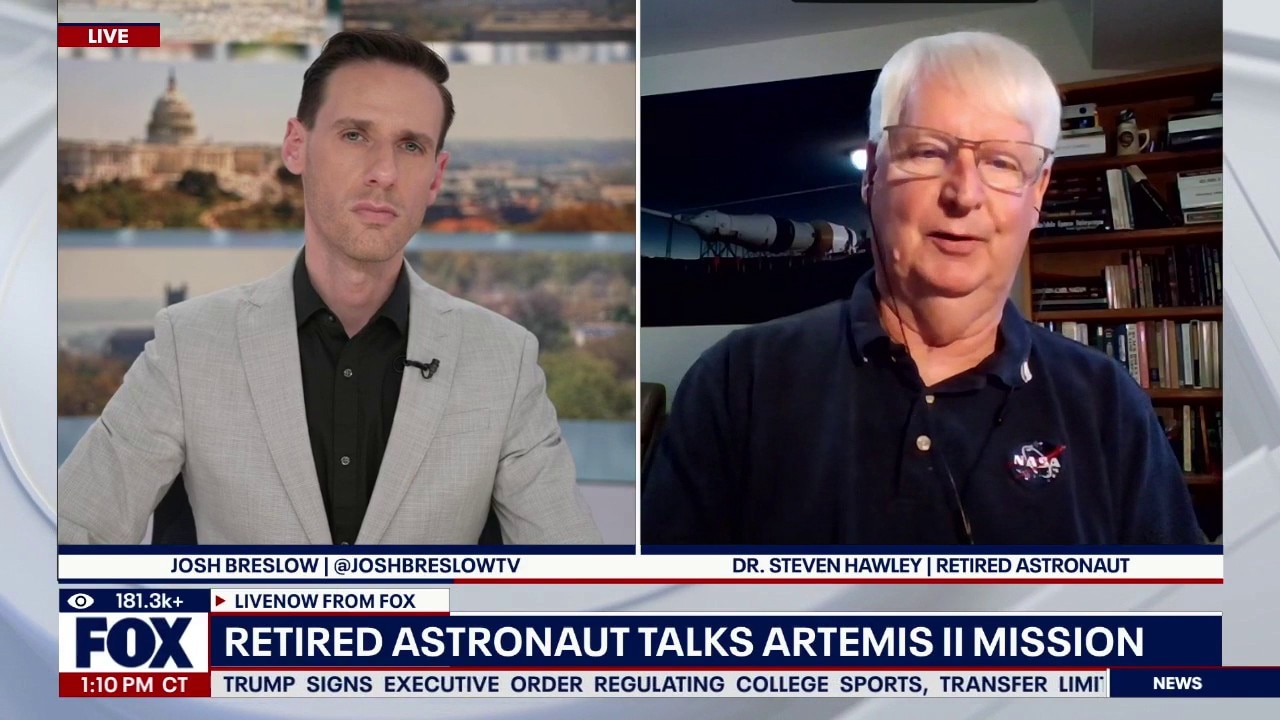
Retired NASA astronaut talks Artemis II mission
The Artemis II mission continues as the four astronauts will pass by the moon on Monday. Dr. Steven Hawley, a former NASA astronaut joined LiveNOW's Josh Breslow to discuss the significance of all of it.
NASA hopes to attempt two moon landings in 2028. The ultimate goal is a moon base replete with landers, rovers, drones and habitats.
RELATED: Artemis II: Meet the astronauts headed to the moon and back
Artemis II Q&A
Dig deeper:
NASA has compiled comprehensive answers for more than a dozen Artemis II questions on their new Q&A page. You can read them here.
The Source: This article includes information from NASA, The Associated Press and previous FOX Local reporting.