

Cyclosporiasis in Illinois: Cases are higher than average. Here's how to avoid getting sick
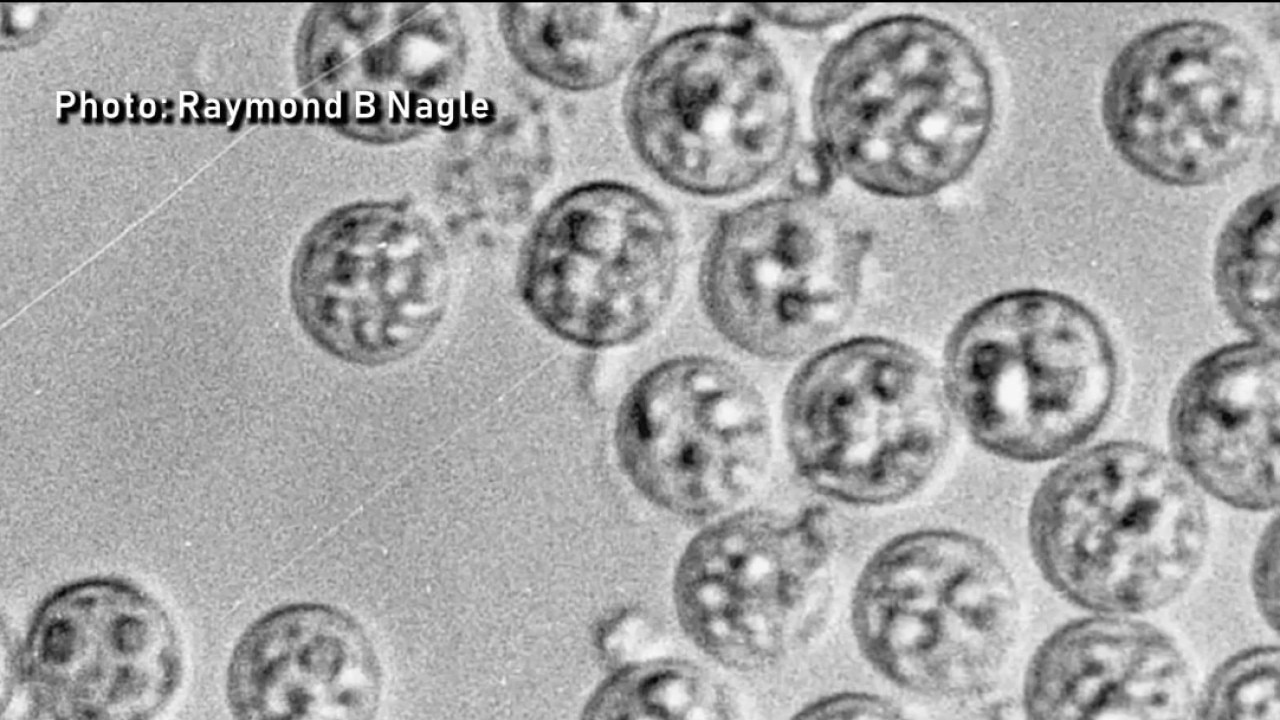
Cyclosporiasis outbreak continues in Illinois
A cyclosporiasis outbreak continues across the United States, with Illinois reporting multiple cases of the parasitic illness this summer.
ILLINOIS - Illinois health officials are reporting a higher-than-average number of cyclosporiasis cases and are urging residents to take precautions as federal and state agencies investigate a nationwide increase in infections.
The backstory:
The Illinois Department of Public Health said Monday the cases are consistent with increases reported in several other states, though they did not release an exact number of cases.
Illinois is among the states reporting the highest number of infections, according to health officials.
The Centers for Disease Control and Prevention, the U.S. Food and Drug Administration and state health departments are investigating the increase, but officials have not identified a single source of the outbreak.
"There is no evidence of a large outbreak accounting for all or most of these cases," health officials said. "IDPH continues to work with the CDC and other public health partners to look for trends."
Cyclosporiasis is a parasitic illness caused by Cyclospora that spreads through food or water contaminated with feces. The infection can cause severe, sometimes explosive diarrhea, and symptoms may last for more than a month if left untreated.
How to reduce your risk
While investigators continue to search for a source, IDPH recommends taking the following precautions:
- Wash all fresh produce under running water before eating, cutting or cooking.
- Scrub firm produce, such as melons and cucumbers, with a clean produce brush.
For foods commonly eaten raw, officials recommend additional steps:
- Leafy greens: Buy whole heads of lettuce instead of prewashed bagged lettuce or salad mixes. Remove and discard the outer two or three layers of leaves, then wash the remaining leaves under running water. Cook leafy greens when possible.
- Cilantro and basil: Separate the leaves and wash thoroughly under running water. Cooking is the safest option.
- Raspberries: Wash carefully, although their uneven surface can make them difficult to clean completely. Cooking them in foods such as pies or jams is safest. Frozen raspberries may reduce the risk but do not guarantee the parasite has been eliminated.
- Snow peas: Wash under running water while rubbing the surface. Cooking is the safest option.
- Green onions: Trim the root end, remove the outer layer and wash thoroughly under running water. Cooking is recommended when possible.
Cyclosporiasis symptoms
Symptoms typically develop two to 14 days after exposure and may include:
- Frequent watery diarrhea.
- Loss of appetite and weight loss.
- Abdominal cramps and bloating.
- Nausea. Vomiting is less common.
- Low-grade fever.
Without treatment, symptoms may last from several days to more than a month and can improve before returning one or more times.
Health officials said cyclosporiasis can be treated with antibiotics.
RELATED: Cyclosporiasis in Illinois: These foods have been linked to past outbreaks
The Source: The information in this article was provided by the Illinois Department of Public Health, the CDC and a previous FOX Chicago report.