

Elgin detectives use podcast as tool to generate new leads and even solve cold cases
Elgin detectives use podcast as tool to generate new leads and even solve cold cases
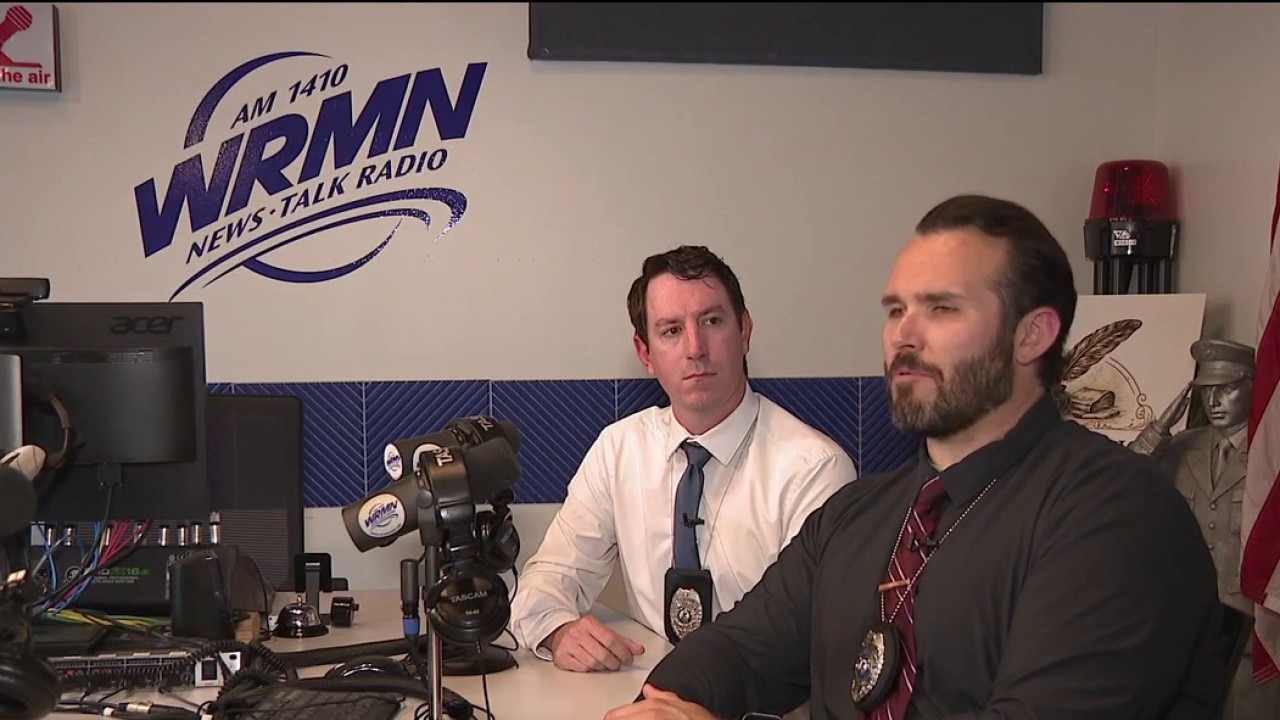
An Elgin detective's podcast has been downloaded more than 350,000 times across major streaming platforms. But detectives say success isn't measured by downloads; it's measured by answers.
ELGIN, Ill. - For more than four decades, one family waited for answers. Then, after 42 years, they finally got them.
"Karen Schepers' Celica has been recovered."
The announcement marked a turning point in one of Elgin's most well-known cold cases — and validated an investigative strategy that few police departments in the country have embraced.
Instead of relying solely on traditional detective work, the Elgin Police Department brought its cold cases directly to the public through a podcast. The voices behind the microphone aren't journalists or actors. They're the detectives assigned to the cases.
"We started a cold case unit," Detective Christopher Hall said. "Our chief approached us and suggested we do a podcast."
The idea was simple: reach people who might never see a news release or social media post but might remember something after hearing the details of a decades-old investigation. Season one focused entirely on the disappearance of Karen Schepers, whose case was ultimately solved after detectives uncovered new information years later.
The podcast has since been downloaded more than 350,000 times across major streaming platforms. But detectives say success isn't measured by downloads.
It's measured by answers.
Taking cold cases beyond the police station
The podcast is only part of the department's public outreach strategy.
Inside the Elgin Police Department lobby, visitors can now interact with a digital cold case kiosk that allows them to browse unsolved homicide investigations, missing persons cases and submit tips directly to detectives.
The goal is to reach people who may have forgotten something—or never realized what they knew could matter.
"We wanted something interactive," Hall said.
Since launching, the department says the kiosk has generated roughly 500 interactions and nearly 90 tips.
The database currently features four missing persons cases and 41 homicide investigations, representing more than 41 victims because some cases involve multiple people. Detectives say additional cases will soon be added.
Hoping another family gets answers
Now investigators hope the same strategy can help solve the disappearance of Wyteria Jones, who vanished in 1982.
Unlike modern investigations, there are no cellphone records, surveillance cameras or digital footprints to retrace.
"The problem is we don't know a lot," detectives acknowledged.
Instead, they're hoping someone who knew Jones—or remembers something from more than 40 years ago—will hear her story and come forward.
"We're hoping somebody remembers her."
Detectives say the podcast doesn't replace traditional investigative work.
They still knock on doors, interview witnesses and pursue every lead.
Instead, the podcast expands the investigation beyond the walls of the police department and into cars, homes and headphones across the country.
"We're working six cases right now," one detective said.
A memory could solve the next mystery
Investigators believe the biggest challenge in cold cases isn't always finding new evidence—it's unlocking old memories.
"I think jogging people's memories is a huge thing," said Detective Beth Sterricker.
That's why every episode is designed to do more than tell a story. It's meant to spark a memory.
Because the person holding the missing piece of a 40-year-old mystery may not even realize it. It could be someone listening during their morning commute, mowing the lawn or remembering a conversation they haven't thought about in decades.
For one family, that strategy helped bring long-awaited answers after 42 years.
Now Elgin detectives are hoping another podcast download, another tip—or another phone call—helps write the ending to someone else's story.
The Source: The information in this article was reported by FOX Chicago's Tia Ewing.