

Former Gov. Pat Quinn pushing 'Millionaire Amendment' to lower Illinois property taxes
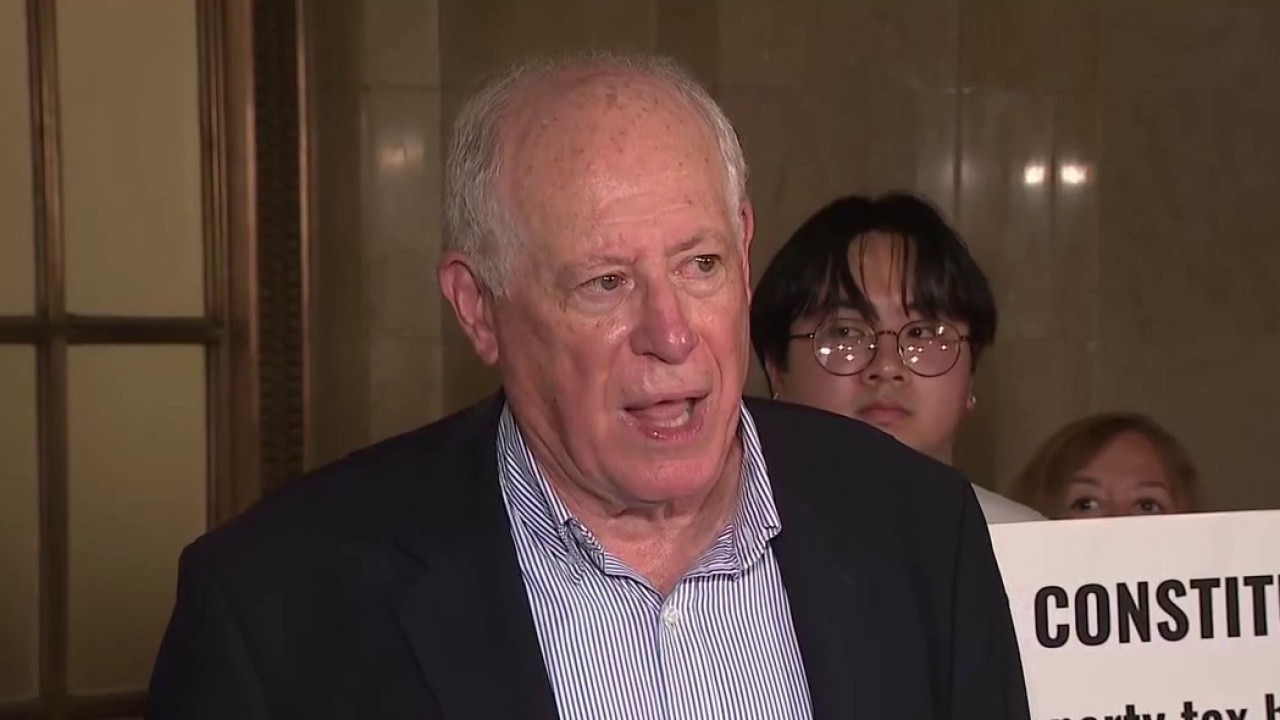
Former Gov. Quinn pushing 'Millionaire Amendment' to lower Illinois property taxes
Former Illinois Governor Pat Quinn says Illinois homeowners are paying some of the highest property taxes in the nation, and he believes a new tax on millionaires could help provide relief.
ILLINOIS - Former Illinois Governor Pat Quinn says Illinois homeowners are paying some of the highest property taxes in the nation, and he believes a new tax on millionaires could help provide relief.
What we know:
Quinn joined State Representative La Shawn Ford, D-Chicago, on Thursday to promote what they're calling the "Millionaire Amendment." The proposal would create a 3% income tax surcharge on Illinois residents earning more than $1 million annually.
"This is the voice of the taxpayers speaking out on the need to cut the property taxes," Quinn said. "The only way to do it, the best way to do it, the most practical way to do it is a millionaire amendment for property tax relief."
Because Illinois has a flat income tax, the proposal would require a Constitutional amendment before the surcharge could become law. That means the General Assembly would first have to approve the measure before Illinois voters could decide it in a statewide election.
Quinn pointed to Massachusetts, which approved a similar surtax in 2022, as well as Washington, Rhode Island, Maine and Hawaii, which approved similar measures this year. The proposal is sponsored in Springfield by Ford and co-sponsored by Illinois House Speaker Emanuel Chris Welch.
Ford said the proposal is designed to ease the tax burden on working families.
"We need to stand up for everyday working people," Ford said. "We need to give everyday working people a voice to show that they are being beaten up by regressive taxes."
The measure did not advance during the spring legislative session. Ford said drafting issues prevented the bill from reaching the House floor but believes lawmakers can fix those issues and bring it back.
"We know we have the votes in Springfield when we get it right," Ford said.
The other side:
"Six years ago, voters overwhelmingly rejected the statewide millionaire’s tax amendment. Raising taxes is not the answer. Our state has already seen businesses and families leave in search of a lower taxes or a more competitive environment; our largest city should take note of that trend rather than repeat it," said Rep. Joe Sosnowski (R-Rockford).
Chicago referendum effort:
In addition to pushing lawmakers in Springfield, Quinn wants Chicago voters to weigh in through an advisory referendum. He filed two resolutions with the Chicago City Clerk Thursday in hopes of placing the question on either the November ballot or the February municipal ballot.
Quinn acknowledged there could be competition for limited referendum spots this fall. Illinois law allows only three public questions for a municipality to appear on a single election ballot.
"We don't want political gamesmanship... to deny the people the chance to vote on the millionaire amendment," Quinn said.
Quinn said the referendum would send a message to lawmakers that voters support changing Illinois' tax structure.
"When the people vote on a particular measure, it speaks a language that politicians understand — the language of votes at the ballot box," Quinn said.
What we don't know:
It remains unclear whether the proposed Constitutional amendment has enough support in the General Assembly to make the statewide ballot. It's also unknown whether Chicago City Council will approve placing an advisory referendum before city voters.
Even if Chicago voters approve the question, lawmakers in Springfield would still have to pass the Constitutional amendment before Illinois voters could consider it statewide.
What's next:
If city leaders place the question on the ballot and voters approve it, supporters hope it will build momentum for lawmakers to pass the constitutional amendment during a future legislative session.
If approved by the General Assembly, Illinois voters would ultimately decide whether to amend the state constitution and allow the proposed millionaire tax to move forward.
The Source: The information in this article was reported by FOX Chicago's Bret Buganski.