

Chicago reportedly facing $130M midyear budget shortfall
Chicago reportedly facing $130M midyear budget shortfall
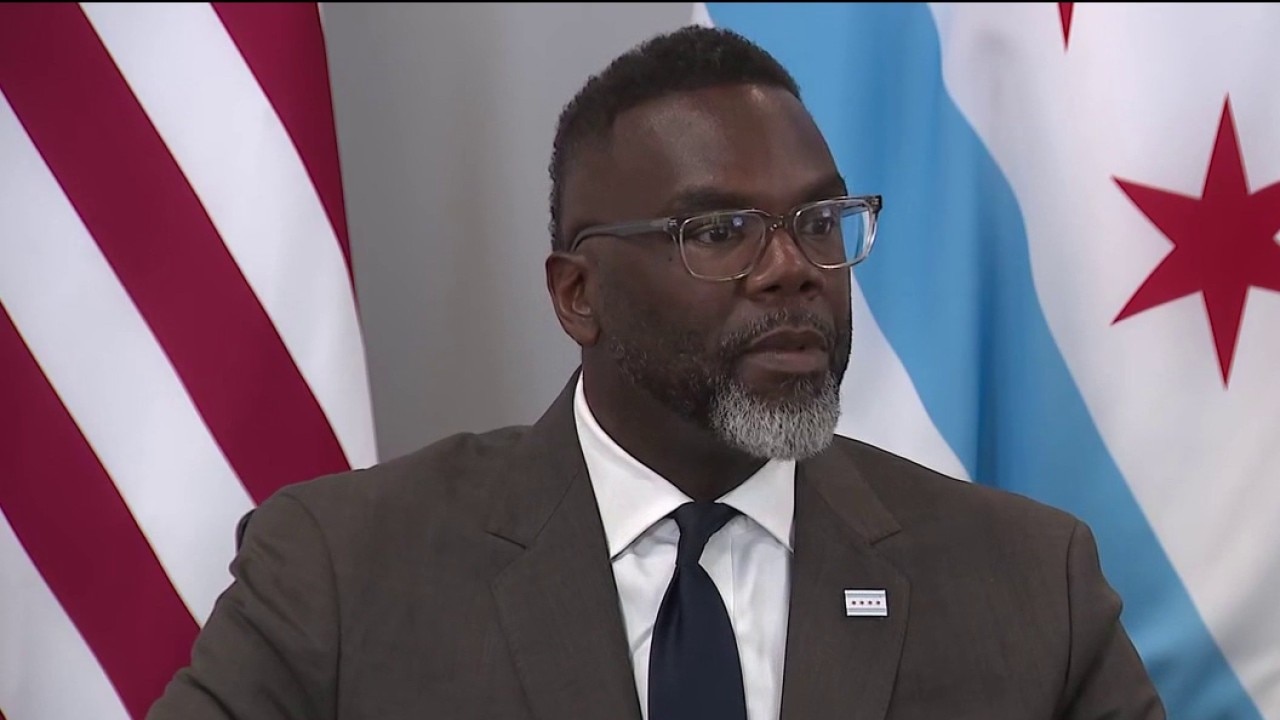
Mayor Brandon Johnson announced Tuesday the city is facing a $130 million budget shortfall.
CHICAGO - Mayor Brandon Johnson announced Tuesday the city is facing a $130 million budget shortfall.
The backstory:
Johnson said some of the revenue approved by city council in December has not materialized, specifically a plan to sell the city's debt to a private debt buyer, and selling advertising spaces on city light poles and city cars.
In addition, no firms have expressed interest in selling advertising spots on 3,000 city light poles, city vehicles and bridge houses, Johnson said. Those two proposals, the mayor said, total nearly $130 million. However, Johnson defended his financial strategy, saying he recently spoke with Illinois House Speaker Emanuel "Chris" Welch about more progressive tax revenue streams.
"I do believe that there's still a path moving forward for a millionaire's tax and a billionaire's tax," Johnson said.
Johnson said corporations benefiting from federal tax cuts from the Trump Administration should contribute more to help fund city services and provide long-term property tax relief.
"We should be finding a more permanent fund to provide property tax relief," Johnson said.
The mayor also defended progressive taxation, arguing it has already generated more revenue than expected.
"If we actually secure revenue from big corporations and those with means, it works," Johnson said. "Every single revenue source of which we have challenged big corporations and those with means to put more skin in the game ... all of those revenue sources are overperforming."
Johnson argued Chicago residents support the idea of taxing wealthy individuals and said city and state leaders should continue pursuing those proposals. However, he also acknowledged that next week's mid-year budget hearing could trigger additional action from city council before alders work on the 2027 budget.
Several aldermen rejected the mayor's criticism, arguing the administration failed to carry out the revenue measures approved in last year's budget.
Alderman Marty Quinn, 13th Ward, said Johnson should not blame alders for the city's financial challenges.
"It's convenient for the mayor to relitigate the budget-making process," Quinn said. "The alders sort of rescued that in the 11th hour last year."
Quinn also criticized Johnson's previous attempt to increase property taxes in 2024.
"He made a terrible mistake by trying to jam a $300 million property tax increase down the throats of Chicagoans," Quinn said.
Alderman Brian Hopkins, 2nd Ward, said the administration bears responsibility for collecting several of the revenue sources now falling short.
"His administration was the one that is in charge of administering these new revenue sources," Hopkins said. "He has really dropped the ball."
Hopkins said city council approved the budget based on assurances the administration would implement those measures.
"I'll take the mayor at his word that we're seeing revenue shortfalls in some of these areas simply because they didn't make any sincere attempts to collect the revenues in the first place," Hopkins said.
Hopkins also warned against relying on higher taxes for corporations, arguing businesses are critical to Chicago's economy.
"We're still a capitalist economy," Hopkins said. "Corporations have to thrive so they can expand and they can hire more people and there can be job growth."
He suggested the city may instead need spending reductions and a midyear budget correction that could include hundreds of millions of dollars in efficiencies and cuts.
Dig deeper:
A briefing document distributed by Alderman Samantha Nugent, 39th Ward, argues the budget itself is not responsible for the projected shortfall. Instead, it claims the Johnson administration failed to implement several revenue programs approved by the city council.
The document says revenue from augmented reality, advertising and debt sales remains at or near zero because the administration did not fully execute those initiatives. It also argues the revenue sources that collect automatically are performing above projections.
The administration has disputed that characterization, saying some of the revenue assumptions approved by the city council were unrealistic and have contributed to the city's projected deficit.
What's next:
The dispute is likely to intensify as Chicago begins preparing its 2027 budget later this year.
Johnson continues to push for progressive revenue options, including taxes on wealthy residents and corporations, while some members of the city council are calling for tighter spending controls and questioning whether the administration has effectively managed the city's finances.
The Source: The information in this article was reported by FOX Chicago's Bret Buganski.