

Shooting of Chicago police officers sparks renewed debate over SAFE-T Act
CHICAGO - The shooting at a North Side hospital that left Chicago Police Ofc. John Batholomew dead and another officer critically injured last week has renewed a heated debate over the state law that dictates when individuals charged with crimes can be held in jail before they go to trial.
Alphanso Talley has been charged with several crimes, including murder and attempted murder, in connection with the shooting. While some aspects of what happened during the shooting remain unclear, it was the fact that Talley was out on electronic monitoring despite previously pleading guilty to or being charged with other crimes dating back to 2017 that have outraged many.
It’s also unclear whether any changes to the broader law, known as the SAFE-T Act, will take place, especially as state lawmakers head toward the end of their regular legislative session this month.
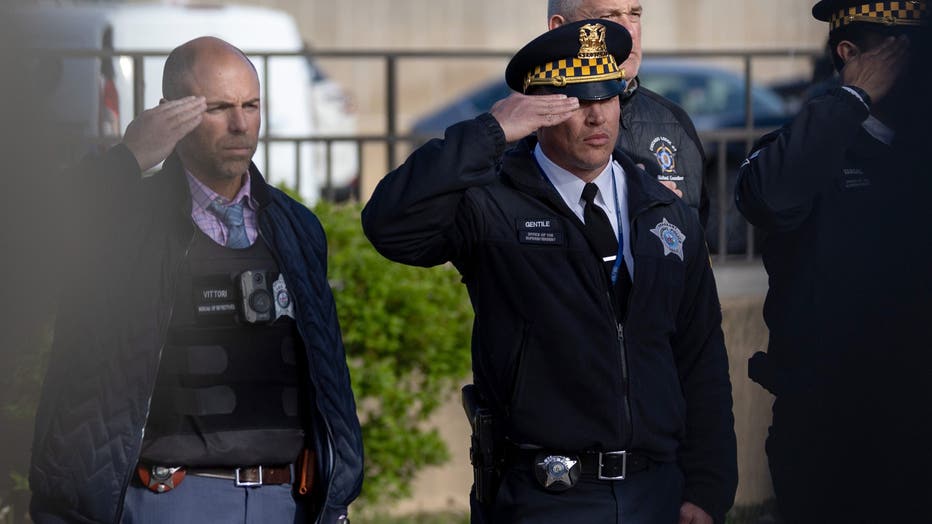
Members of the Chicago Police Department salute as the body of an officer is brought to the Cook County Medical Examinerâs office after he was fatally shot earlier in the day at Endeavor Health Swedish Hospital, April, 25, 2026. (Josh Boland/Chicago
Still, Fox Chicago wanted to provide a breakdown of the SAFE-T Act and the arguments both critics and defenders of the law are making in the wake of the shooting.
What is the SAFE-T Act?
The Safety, Accountability, Fairness and Equity-Today Act, commonly referred to as the SAFE-T Act, implemented several policing and criminal legal reforms in Illinois after it was passed in 2021, most notably banning the use of cash bail in the state.
Instead, the law, specifically the Pretrial Fairness Act, set new standards for when someone charged with a crime can be held in jail. Remember that those charged with a crime, but not yet convicted of that crime, are many times held in jail as they await a trial where they can be found guilty or not guilty.
Proponents of the SAFE-T Act argued that the reforms modernized how pretrial release works in Illinois. They argue it’s unfair for someone, especially those charged with lower-level and non-violent crimes, to have to remain in jail simply because they cannot afford to pay the bond amount a judge assigns.
According to the Cook County State’s Attorney’s Office, the law:
- Requires pretrial release for most misdemeanor charges and non-violent felonies
- Limits who is eligible to be held in jail "with a focus on safety and risk of flight"
- Outlines the use of electronic monitoring as a condition of release
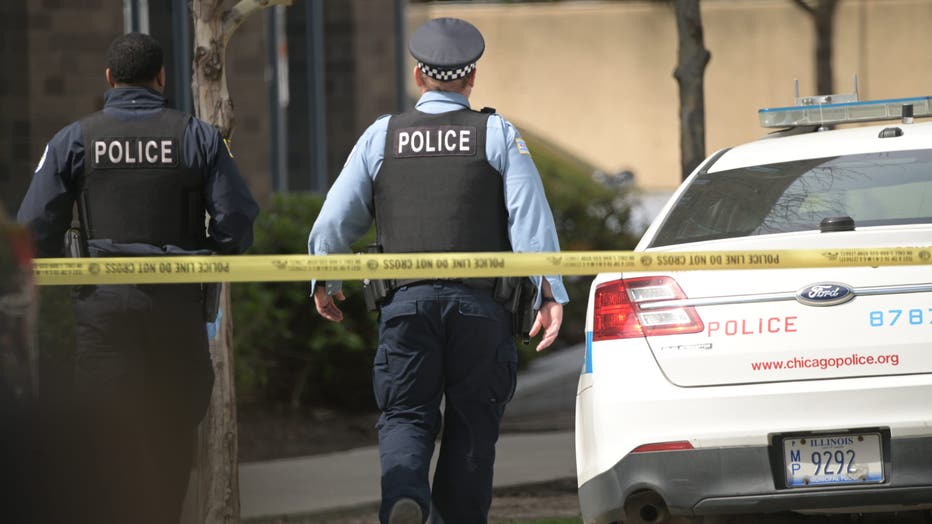
CHICAGO, UNITED STATES - APRIL 25: Chicago police officers stand outside a nearby hospital awaiting updates on two fellow officers who were shot during a prisoner transport incident at Swedish Hospital in Chicago, United States, on April 25, 2026. A
Typically, when someone is arrested and charged with a crime, they will soon thereafter have to appear for a hearing before a judge who will determine whether they should remain incarcerated in a local jail as they await trial. Local prosecutors, like the Cook County State’s Attorney’s Office, can ask a judge to keep the defendant in jail, usually because they believe them to be a danger to others or may flee.
People who are charged with the most serious crimes, like first-degree murder, armed robbery, home invasion, and others, are much more likely to be held in jail.
In one of Talley’s previous cases, going back to 2024, Judge John F. Lyke Jr. denied prosecutors’ requests to keep him in jail, even considering his previous criminal charges of violent felonies. Instead, Talley was put on electronic monitoring months before the shooting on April 25.
"We ask for detention because we believe that person presents a danger to the public," said Cook County State’s Attorney Eileen O’Neill Burke last week after Talley appeared in court.

Debate over SAFE-T Act after shooting of 2 CPD officers | ChicagoLIVE
Cathryn Crawford, with the Illinois Network for Pretrial Justice, joined the show to discuss the calls for changes to the state's SAFE-T Act after the shooting of two Chicago police officers last weekend.
Officials point to judge
In an interview on The Chicago Report last week, Cathryn Crawford, with the Illinois Network for Pretrial Justice, pointed out that there was nothing in the SAFE-T Act that directly led to the shooting of the two officers.
"The act did not prevent Mr. Talley from being detained," she said. "That was permitted."
The organization also says that the overwhelming majority (94%) of individuals charged with a crime and released from jail in before a trial in Cook County do not go on to commit another offense. Crawford said that allows many of them to continue to work their job, go to school, and take care of loved ones, while before the SAFE-T Act’s passage, if they couldn’t afford the bond, they would have to remain in jail.
"The vast majority of them are living productive, normal lives while they fight a case in court for which they are presumed innocent," she said.
Other defenders of the SAFE-T Act have more pointedly blamed Judge Lyke for his decision to keep Talley out of jail and on electronic monitoring. Gov. JB Pritzker said high-profile incidents like the hospital shooting most likely occur, at least in part, because of a "bad decision by an elected judge."
"A judge can make this decision. A judge should have made the decision to keep that person in jail," Pritzker said.
Illinois Comptroller Susana Mendoza also blasted the decision to keep Talley out of jail.
"No reasonable person breathing should think that it’s OK to put an armed robber carjacker on an electronic monitor and send them on their merry way," she said, apparently referring to previous charges against Talley.
Judge Lyke did not respond to multiple requests from Fox Chicago for comment about his decisions.
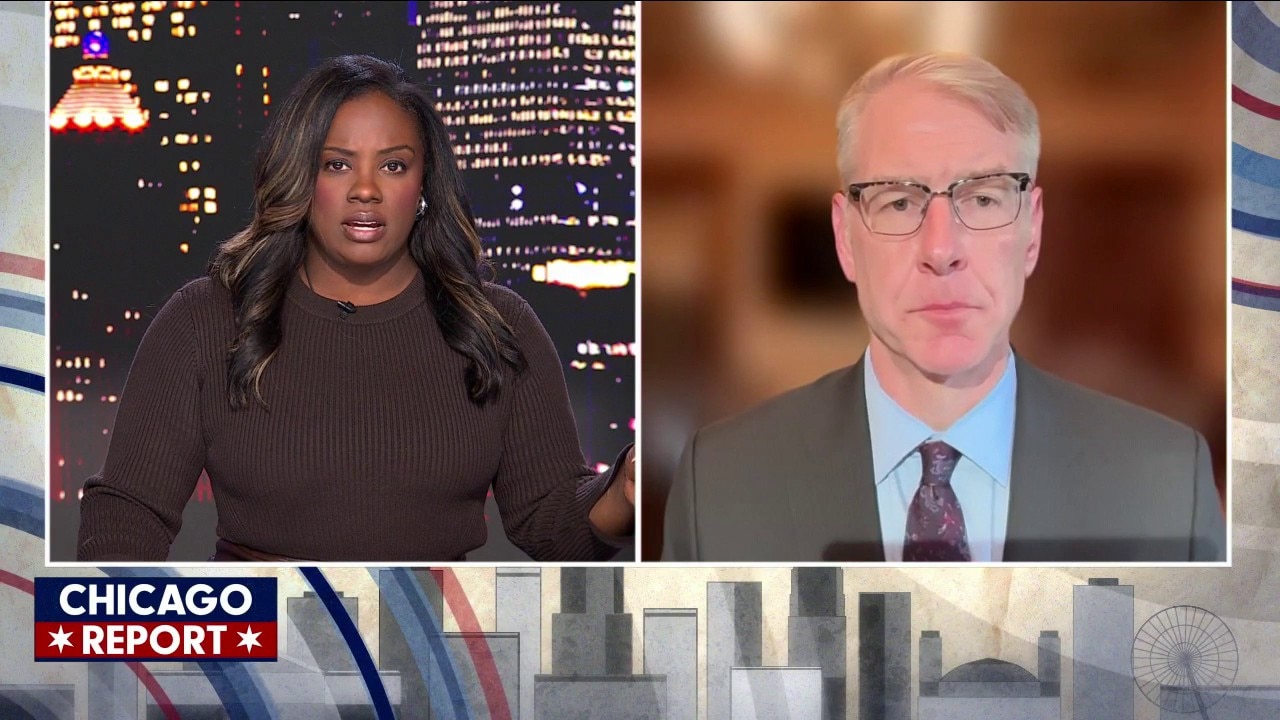
Republican bill aims to change SAFE-T Act | The Chicago Report
Senate Republicans are pushing to change the SAFE-T Act to allow judges to deny pre-trial release in certain cases. Sen. John Curran introduced the bill and is here with the details.
GOP proposal to change law
Republican state lawmakers have repeatedly criticized the SAFE-T Act and filed a bill last week that would change the relevant provision about pretrial release in response to the shooting.
Minority Senate Leader John Curran (R-Downers Grove) and Minority House Leader Tony McCombie (R-Savanna) introduced a bill that would automatically keep a defendant in jail if they committed a serious crime while they were already on pretrial release related to a previous charge.
The defendant would be required to remain in jail until they resolve all their charges.
"There’s no discretion for release [in the proposed change]," Curran said. "You at that point … have established a pattern and must resolve both cases before there’s any release."
But the Illinois Network for Pretrial Justice also pointed out in a lengthy response to Republicans' criticisms that the proposed change "flies in the face of the foundational principles of due process." The organization argued that the SAFE-T Act allowed judges to have more information and spend more time on each case to decide "before one's liberty is taken away."
"We all want safe communities, but Republicans are being dishonest about what is possible under any pretrial system," the organization said in a statement. "There is no change to our criminal court system that will prevent all instances of violence and harm. If Republicans were serious about protecting public safety, they would stop opposing gun reform measures and investments in mental health and substance use treatment and focus on increasing support and services for survivors of domestic violence and gun violence."