

Hidden cameras in Illinois: When secret recordings become a crime
Hidden cameras: The trauma beyond the recording
For victims of hidden cameras, the damage can last long after the recording stops. The betrayal of trust, the loss of privacy and a sense of safety that can be hard to get back. Tonight in part two of our FOX Chicago special, Kasey Chronis looks at the lasting impact of these crimes and the push to give victims more ways to seek justice.
CHICAGO - Between intersection cameras, license plate readers and surveillance systems, Big Brother is all around us. While we may not always welcome it, surveillance is part of everyday life, and most of the time, we know it’s there.
But when a camera is hidden, it can become something far more troubling.
In this three-part series, FOX Chicago’s Kasey Chronis examines the concerns surrounding hidden cameras, from how easily they can be purchased and the penalties for using them illegally to the lasting impact on victims and efforts to strengthen state law.
How hidden cameras are used
What we know:
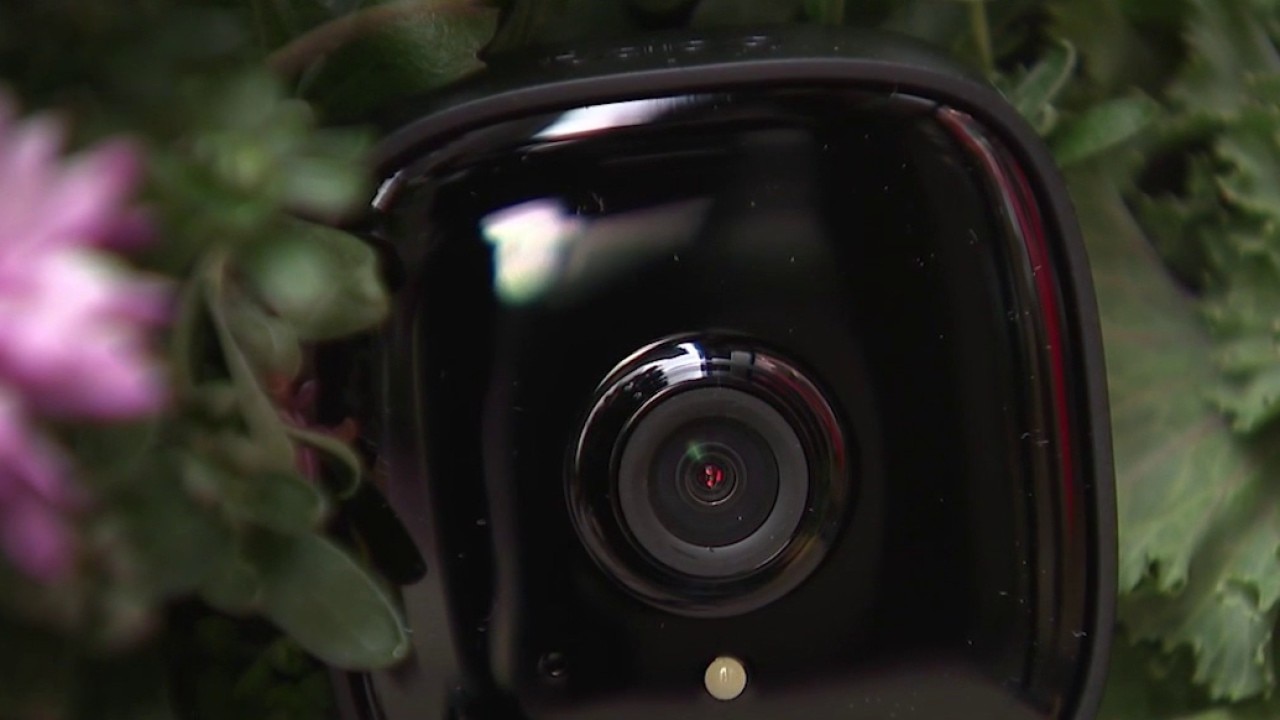
Hidden cameras can be difficult to detect, with some devices as small as a coin and lenses even smaller than a pinhead.
"As a private investigator, I was putting in hidden cameras before you could buy them on Amazon," said Perry Myers, president of U-Spy Enterprises.
Hidden cameras are widely available, including online. Illinois law restricts where cameras can be placed and what they can legally record.
There are circumstances in which hidden cameras can legally be used for security or surveillance, such as monitoring a common area in your own home. The law also restricts recording someone without consent in that person’s residence.
"Obviously, you can't put them in a place where people have an expectation of privacy. So locker rooms, washrooms, bedrooms," Myers said.
Myers, who owns U-Spy on Fullerton Avenue in Chicago, says customers use hidden cameras for everything from home security to child custody cases and private investigations.
At U-Spy, buyers must be at least 18 and sign a disclosure acknowledging the equipment must be used lawfully.
While U-Spy sells hidden cameras, another part of its business is helping people find them.
"We actually provide the service, too, through the detective agency, so we do countermeasure sweeps, and those have really picked up a lot lately," Myers said.
If you suspect a hidden camera, Myers says to start by looking closely at your surroundings.
"Unless you're just planning on using these for a few hours, they're going to be plugged in," Myers said.
Hidden cameras: The fine line between surveillance and a crime
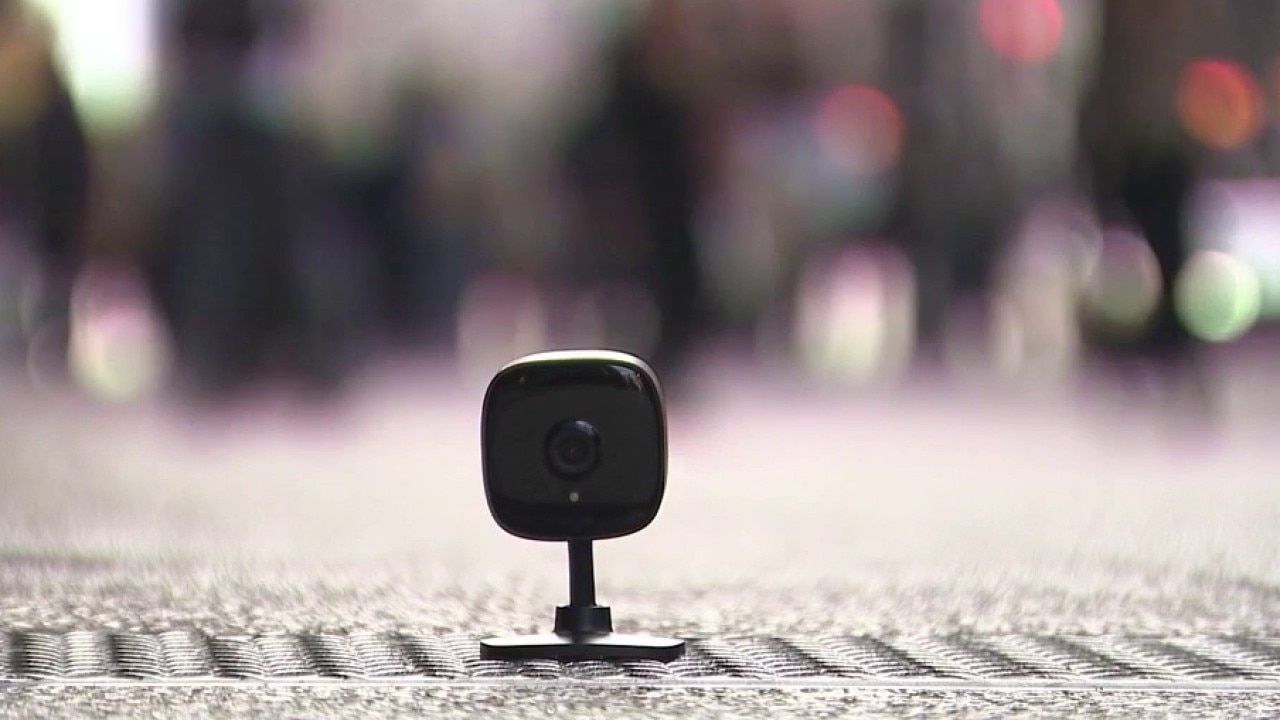
You may know when security cameras are watching, but what happens when someone records you without your knowledge? FOX Chicago’s Kasey Chronis investigates when hidden surveillance becomes a crime, the consequences offenders could face and the devastating impact on victims.
Hidden camera cases across the Chicago area
Big picture view:
Finding a hidden camera can be just the beginning. When those devices are used illegally, they can become evidence in a criminal case.
"It's disturbing; these cases are really very disturbing," said DuPage County State's Attorney Bob Berlin, whose office has handled multiple cases involving unlawful secret recordings.
"I also believe that the public is more aware of where cameras are located, if they are in a locker room or a changing room or a tanning bed or a tanning salon, and they look for it and find it," Berlin said.
Among the cases FOX Chicago has covered since January 2025:
- Jesus Salazar was accused of secretly recording coworkers in an employee restroom at a food manufacturing facility in Northlake.
- Erick Palacios was charged in connection with hidden cameras found in bathrooms at a boxing gym in Naperville.
- Steven Segura pleaded guilty to unauthorized video recording in a bathroom at the Church of God in Addison and was sentenced to two years of sex offender probation.
- Jason Wade Spencer was indicted on 64 felony counts for allegedly secretly recording clients at Reflexion Spa in Hinsdale.
What Illinois law says about secret recordings
Dig deeper:
"Every single recording or every single photograph that’s taken is a separate charge. Every victim is a separate charge," Berlin said.
Illinois law makes it a Class A misdemeanor to knowingly place a recording device in certain private spaces with the intent to record someone without consent. Knowingly recording someone without consent in those spaces can be a Class 4 felony.
"Just placing the camera, in and of itself, in a locker room, a bathroom, a changing room, a hotel bedroom, a tanning salon — just placing the camera — is a Class A misdemeanor, but recording, making a video record with that camera is a Class 4 felony," Berlin said.
Some cases involve children, and Illinois law allows for more serious charges when the victim is under 18.
"Children are our most precious assets, and we need to do everything we can to protect them," Berlin said.
"It becomes a Class 3 felony if the victim is under 18, and it’s a Class 2 felony if the victim is under 18 and that person is actually disseminating that video record," Berlin said.
In Addison, prosecutors accused ice cream shop owner Steven Weisberg of using a hidden camera to record female employees, including minors, as they changed clothes.
"If the images or videos show a minor victim in a lewd exhibition of their genitals or pubic area, then it becomes Child Sexual Abuse Material (CSAM) and that is a penitentiary sentence and those charges are consecutive," Berlin said.
In another case, Kane County prosecutors say more than 180 patients, including children and adults, were secretly recorded while undressing or unclothed at Hanson Family Chiropractic in Batavia.
David Hanson, 44, pleaded guilty in September to two felony counts involving the production and dissemination of child sexual abuse material.
Those two counts, however, were only the tip of the iceberg. Earlier this year, a grand jury indicted Hanson on 76 counts. The unauthorized recordings unfolded over a span of nine years, according to prosecutors.
Hanson was sentenced to 60 years in prison Nov. 10.
The lasting toll on victims
For victims of hidden cameras, the damage can last long after the recording stops. The betrayal of trust and loss of privacy can leave lasting emotional scars.
"The word that we hear over and over again is violated, that these women and children feel violated," said Michael Holden, senior partner at Romanucci & Blandin.
It's a sense of safety that isn't easily restored, especially when that trust has been broken by someone who was supposed to have their best interests at heart.
"It's nauseating," Holden said.
Holden is representing some of the victims in civil litigation against Hanson, the former Batavia chiropractor. While Hanson has now been sentenced to prison, the criminal case's conclusion cannot undo the harm experienced by his former patients.
"Dr. Hanson's conduct has deeply impacted the way that I think about my privacy, my safety, and the trust that I place in medical professionals," said Ellie, a former patient.
Throughout the court proceedings, some of Hanson's victims appeared in court to face him, including at his September plea hearing.
"No patient should ever be used as an object to be consumed or a commodity to be shared," said Jana, a former patient and mother of a survivor.
Prosecutors say some of the patients were nude or partially undressed during treatments at Hanson Family Chiropractic, the clinic Hanson owned, which has since been shut down.
"Especially coming from somebody who has an implied trustworthiness because they are a medical practitioner, and to be exploited by somebody that you're expected to trust and who has duties and obligations under the law to protect your privacy, it's just mind-blowing," Holden said.
According to prosecutors, cameras were concealed in vents, fans, and other fixtures, capturing patients during treatments Hanson recommended, including red-light therapy.
"No parent should ever bear the burden of watching the face of their child as they explain the gravity that has been done to them," Jana said.
Outside the courthouse following Hanson's plea hearing, attorney Elizabeth Fegan, of Fegan Scott LLP, stood alongside several victims she represents in civil proceedings. Among them were Jana and her daughter, both former patients who entrusted Hanson with their care.
"But what they received instead was recordings of their private, intimate images, dissemination over the internet, and we think for money," Fegan said.
Another mother, Dawn, read a statement written by her daughter: "I used to think I was good at telling the difference between good people and bad people, but I no longer trust my own judgment."
That loss of trust is just one example of the emotional toll of these recordings — an impact that can last long after a criminal case ends.
"This case is not just videos that were taken, but the futures of all the victims," said MacKenzie, a former patient.
And while criminal charges can hold offenders accountable, they don't necessarily address the long-term consequences for victims. That's why, over the summer, Holden testified before Illinois lawmakers in support of House Bill 4262.
"Largely, at the end of the day, what this bill is trying to accomplish is to protect the public, and specifically children," Holden said.
Sponsored by State Rep. Curtis Tarver II, the legislation would strengthen civil remedies for children who are victims of unlawful secret recordings, allowing them to seek financial compensation, including damages for emotional distress, as well as attorney's fees.
"We have to do something, right, we can't legislate away all bad behavior, but what you can do it put things on the books to make sure that if someone violates another person, they have to pay up," said Tarver, D-25th District.
The bill passed the Illinois House unanimously in the spring but still requires Senate approval.
"It is one of the only bills that I know of, of substance, that came out unanimously," Tarver said.
If approved, the legislation could make it easier for families of children who were secretly recorded to pursue compensation through the civil courts.
"The other positive aspect is that it makes their case more attractive to a lawyer who may not have taken it otherwise, because without that bill in place, it probably would cost more to litigate that case than that person could get," Holden said. "This bill largely lifts those hurdles out of the way so they have an avenue to justice."
But beyond financial compensation, there's far more at stake for victims.
"That sense of safety is worth a lot," Holden said.
Rep. Tarver has requested that HB 4262 be considered during the fall veto session, but it's unclear whether lawmakers will take a vote.
What's next:
On Wednesday, Nov. 18, at 5 p.m., FOX Chicago's Kasey Chronis examines another proposed change to Illinois law aimed at protecting children from unlawful secret recordings.
The proposal could also come before lawmakers during the Illinois General Assembly's fall veto session, which runs Nov. 17–19.
The Source: The information in this report came from FOX Chicago interviews with private investigator Perry Myers and DuPage County State’s Attorney Bob Berlin, Illinois law, the Kane County State’s Attorney’s Office and previous FOX Chicago reporting.