

Subminimum wage hike delay OK’d by Chicago City Council
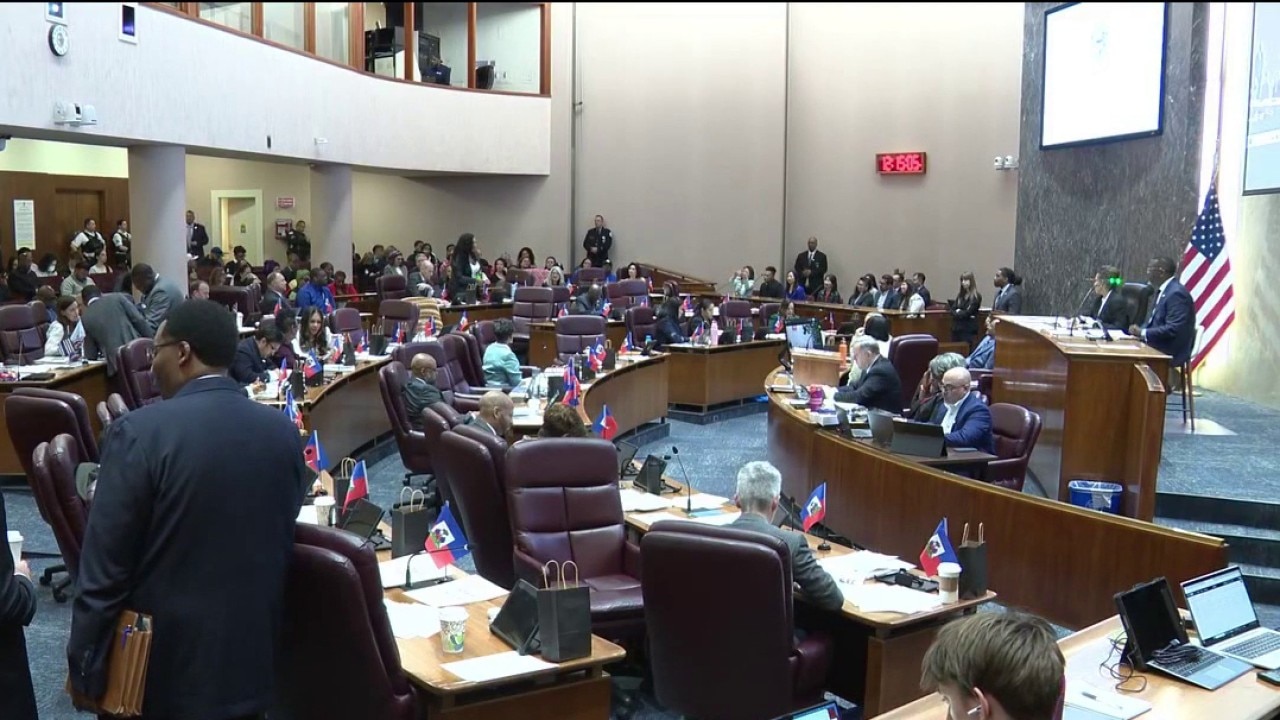
Chicago City Council OKs pause on wage hike for tipped workers
The City Council approved a compromise deal to delay the gradual increase in the subminimum wage for tipped workers in Chicago.
CHICAGO - The City Council approved a compromise deal to delay the gradual increase in the subminimum wage for tipped workers in Chicago.
What we know:
The compromise measure, pushed by Ald. Walter Burnett Jr. (27th Ward), would temporarily delay the increase of the subminimum wage that was set to increase.
The original ordinance, passed in 2023, set the subminimum wage to increase gradually over several years until it reached the city’s regular minimum wage by 2028.
The city’s current minimum wage is $16.60.
This past March, the City Council voted to pause the subminimum wage at 76% of the regular minimum wage, or about $12.62 per hour. Mayor Brandon Johnson vetoed that move, and the aldermen failed to garner enough votes to override him.
Opponents of the increase argued that restaurants and other businesses with tipped workers are already required by law to ensure the employees make at least the minimum wage if they don't make enough via tips.
Burnett’s compromise proposal will keep the subminimum wage at 76% until July 1, 2028, after it was initially set to increase this year. It would also require different wage rates for employers with 21 or more workers and those with more than three but fewer than 21.
Tipped minimum wage compromise | The Chicago Report
Monica Eng, from Axios, offers her insight on three big headlines. We're looking at a surprise compromise on the tipped wage debate after Mayor Johnson's recent veto.
Here is a summary provided by the Illinois Restaurant Association:
Employers with 21 or more employees:
- 24% until June 30, 2028
- 16% from July 1, 2028, to June 30, 2029
- 8% from July 1, 2029, to June 30, 2030
- 0% on and after July 1, 2030
Employers with more than three but fewer than 21 employees:
- 24% until June 30, 2030
- 16% from July 1, 2030, to June 30, 2031
- 12% from July 1, 2031, to June 30, 2032
- 6% from July 1, 2032, to June 30, 2033
- 0% on and after July 1, 2033
When the gradual increase was initially passed, the subminimum wage was only at 60% of the regular minimum wage. The original ordinance would have increased it to 100% of the regular minimum wage on July 1, 2028.
What they're saying:
Sam Toia, president and CEO of the Illinois Restaurant Association, said his organization still opposes the phase out of the tip credit. But, during Wednesday's meeting, he called the compromise ordinance acceptable.
"This ordinance is not the ideal outcome for our industry, but it is more workable and less harmful than allowing the current phase-out to continue," Toia said during public comments.
He added, "Operators need time to adjust so they can keep their doors open and their staff employed. Predictability matters to workers too. Abrupt changes can lead to reduced hours, fewer shifts, higher menu prices, more service charges and fewer opportunities to tipped employees."
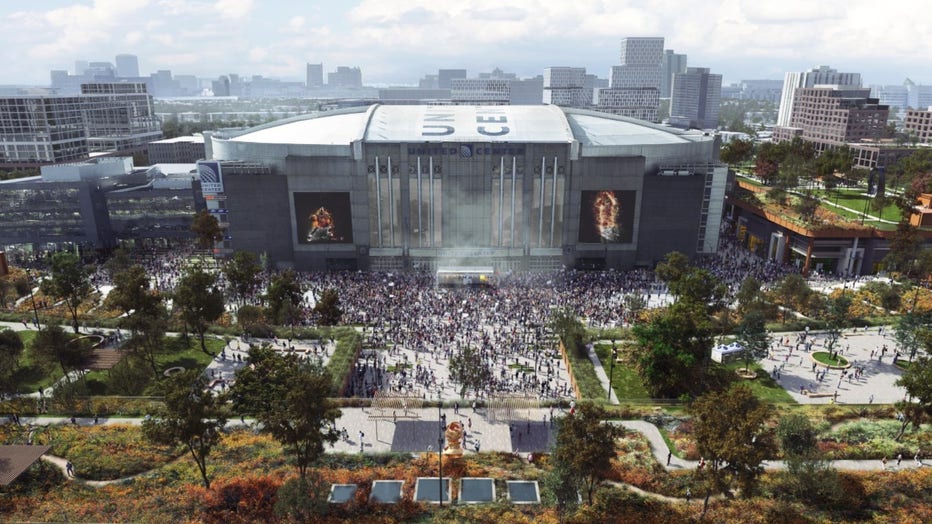
The Chicago City Council approved a $54.7 million tax incentives package to help redevelop more than 50 acres of land around the United Center on the city’s West Side. (The 1901 Project website)
United Center redevelopment tax breaks
By the numbers:
The Chicago City Council approved a $54.7 million tax incentives package to help redevelop more than 50 acres of land around the United Center on the city’s West Side.
The so-called 1901 Project is planned to invest hundreds of millions of dollars to build in the area around the arena that hosts Bulls and Blackhawks home games.
Over about a dozen years, the $7 billion project will involve the construction of a 6,000-seat music hall, retail and restaurant space, a hotel, parking garages and green space, according to Mayor Johnson’s office.
The city estimates the redevelopment of the 12.3 acres of surface parking lot to the south and west of the stadium will generate more than $46 million in additional tax revenue, 2,000 construction jobs, 600 permanent jobs and about 180 part-time jobs.
Other City Council items
Aldermen approved a series of other measures, settlements and appointments at Wednesday's meeting.
- David Glockner's appointment to become the city's next inspector general was approved. He succeeds Deborah Witzburg, who decided to leave the job as the city's top watchdog after a single term to go work for the Illinois Attorney General's Office.
- William Cheaks Jr.'s appointment as commissioner of the Chicago Department of Transportation was also approved. He has a long career in city government and most recently served as the managing deputy commissioner at the Department of Water Management.
- A $2.25 million payment was also approved to settle a lawsuit alleging the city funded and developed tens of thousands of affordable rental homes without ensuring enough were accessible to people with disabilities. Access Living first sued the city back in May 2018, according to a news release. The city will be required to build or rehabilitate 2,800 units to comply with federal law.
- Anjanette Young and Angelique Guzman were also appointed as commissioners on the Community Commission for Public Safety and Accountability, which is a police oversight board. Young was the victim of a wrongful raid of her home by Chicago police officers back in 2019.
- A resolution to ban Chicago police officers from engaging in "extremist activity" also passed narrowly 28-21 after heated debate. Critics wanted to not just single out police officers, but city attorneys said that would open up the law to more legal scrutiny.